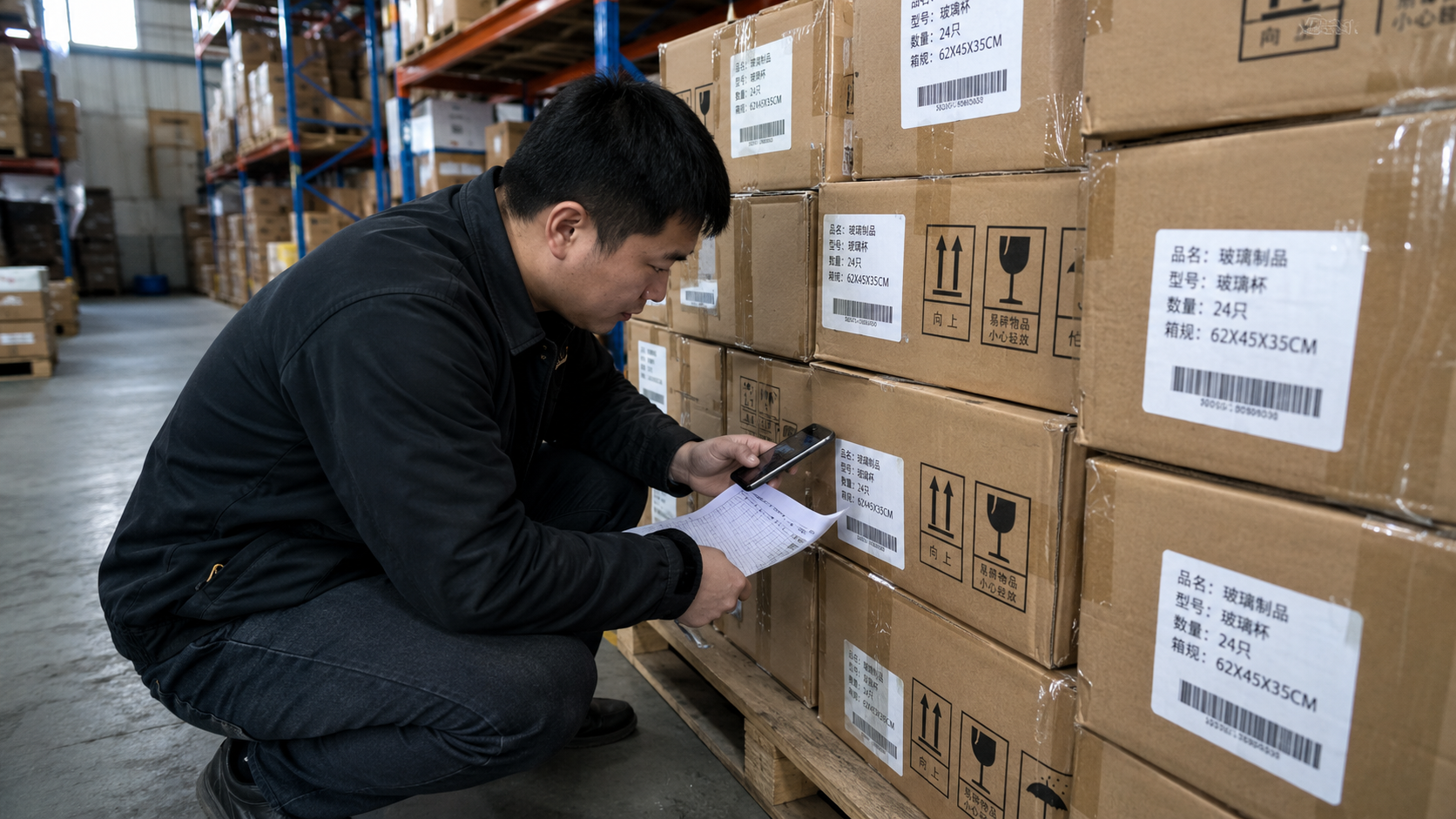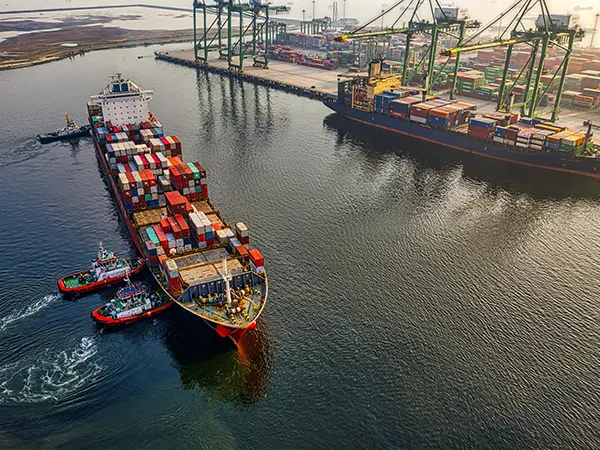
Yes, you can ship branded goods internationally. But if you want to ship branded goods safely, the key issue is not only transport. It is also about compliance, source proof, customs review, and destination-country rules. In this guide, you will learn what counts as branded goods, when branded cargo can usually move, what documents are often needed, what risks importers should watch for, and how to reduce customs problems before booking a shipment. This is a practical guide for importers, wholesalers, and eCommerce sellers who need clear answers instead of vague promises. According to WIPO’s intellectual property enforcement guidance, border measures are a core part of IP enforcement, which is why branded shipments are reviewed more carefully than ordinary cargo.
What Are Branded Goods in International Shipping?
Branded goods are products that carry a registered brand name, logo, or trademark. These may include shoes, clothing,bags, electronics, cosmetics, watches, and packaged consumer goods. The important point is that branded goods are not the same as counterfeit goods. Genuine branded goods come from a legal source. Counterfeit goods use a brand without authorization and may be detained or seized by customs.WIPO’s official IP enforcement framework highlights border enforcement as part of the legal system used to stop infringing goods in trade.
This difference matters because customs does not only look at the logo on the product. Customs may also look at whether the goods appear genuine, whether the seller and buyer can explain the supply chain, and whether the documents match the declared cargo. In real shipping work, the question is usually not “Does this product have a brand?” The real question is “Can the importer prove this shipment is genuine and legally tradable?”
Can You Ship Branded Goods Internationally?
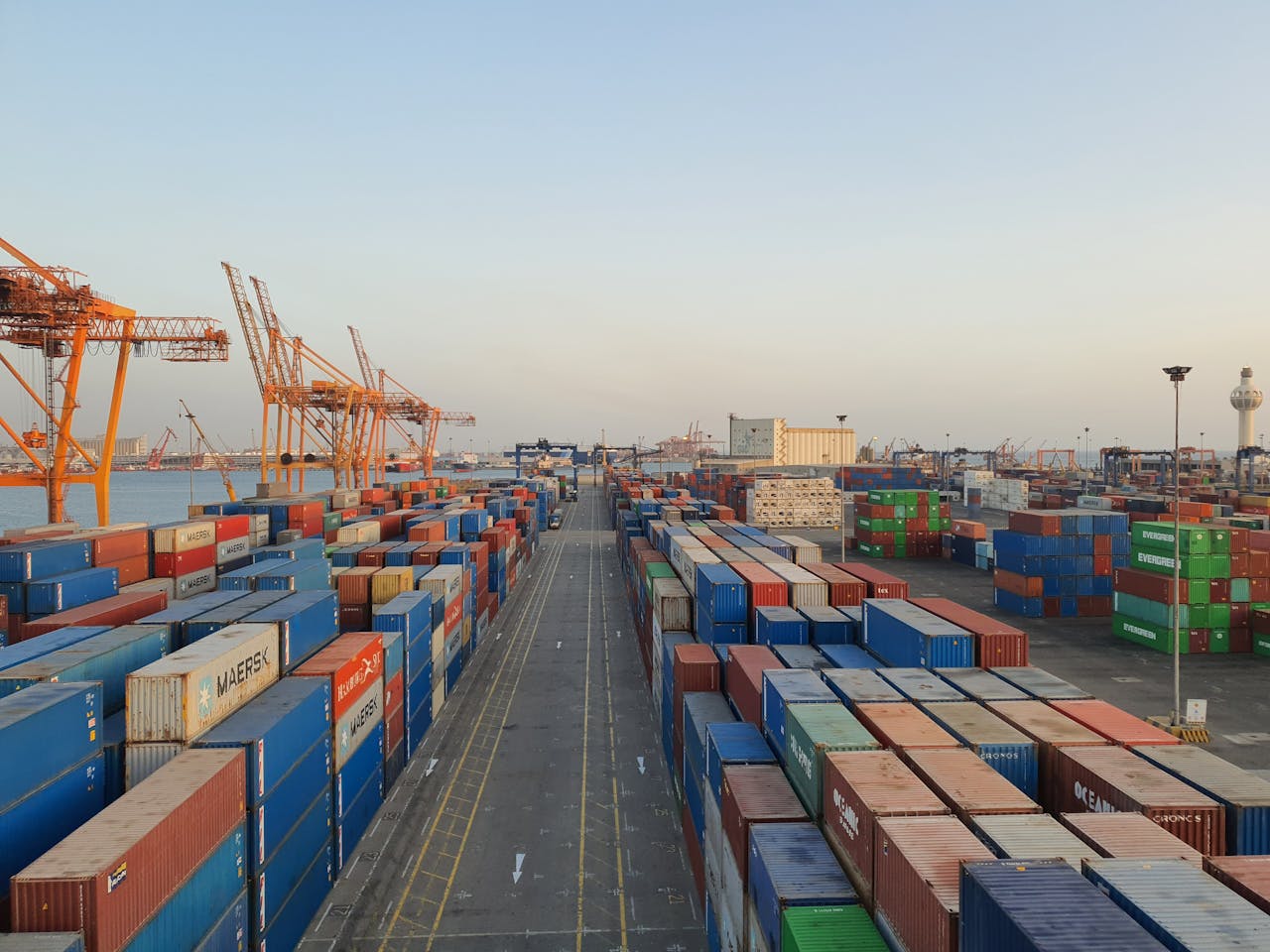
Yes, branded goods can often be shipped internationally, but not every shipment carries the same risk. In general, a shipment is more likely to move smoothly when the goods are genuine, the sourcing is legal, the documents are consistent, and the cargo does not conflict with trademark or import rules in the destination market. Customs agencies actively target counterfeit and infringing goods, so branded cargo gets more attention than ordinary no-name products.U.S. Customs and Border Protection states that it targets and seizes imports of counterfeit and pirated goods, and the agency’s FY2024 seizure statistics report says it seized nearly 20,000 shipments containing almost 32 million counterfeit items, with an estimated manufacturer’s suggested retail price of about $5.4 billion if genuine.
The wider trade background also explains why this matters.OECD’s Mapping Global Trade in Fakes 2025 reports that counterfeit and pirated goods accounted for up to 2.3% of global trade in 2021, and the OECD later summarized the scale at about USD 467 billion.
So the short answer is yes, we do ship branded goods. The practical answer is this: branded goods shipping is possible when the cargo is reviewed first and the compliance risk is understood before booking.
What Documents Are Needed to Ship Branded Goods Internationally?
The exact file set depends on the product, the route, and the destination country. But in practice, the documents needed to ship branded goods
often include:
- commercial invoice
- packing list
- bill of lading or air waybill
- supplier or purchase records
- product photos or label details when needed
- importer registration or tax documents where required
- brand authorization letter, if the brand, channel, or destination market requires it
EU official guidance on customs clearance documents says import procedures can require documents such as the commercial invoice, proof of origin, and relevant certificates or licenses, while the European Commission’s import guidance notes that importers must ensure imported products comply with the applicable rules before placing them on the market.
This is where many importers make mistakes. They assume branded cargo only needs normal shipping papers. In reality,some shipments need stronger source proof or additional brand-related support. A missing document does not always stop a shipment, but weak documents raise questions that can delay release.
What Are the Main Risks in Customs Clearance for Branded Goods?
The first risk is customs detention. If customs suspects trademark infringement, unclear sourcing, or false declaration, the goods may be held for review.WIPO’s enforcement materials and
CBP’s IP guidance both show that customs authorities play an active role in stopping infringing goods at the border.
The second risk is weak source documentation. Even genuine goods can face trouble if the importer cannot explain where they came from or if the invoice, packing list, and cargo description do not match.
The third risk is destination-country policy. Rules and enforcement intensity vary by market. The European Commission’s customs and import guidance shows that import procedures, compliance duties, and product requirements are market-specific, not universal.
The fourth risk is distribution or channel conflict. Sometimes the goods are real, but the issue is whether they are entering a market in a way that creates trademark or
distributor disputes.
The scale of enforcement shows why this matters. The European Commission’s IPR facts and figures page says approximately 112 million counterfeit goods were detained in the EU in 2024, with an estimated value of €3.8 billion.
How to Ship Branded Goods Safely and Reduce Customs Problems
If you want to ship branded goods safely, the best approach is to reduce uncertainty before the cargo moves.
Start by confirming that the goods are genuine and legally sourced. Keep supplier records, purchase proof, and product details together in one file.
Next, check the destination-country rules before shipment.Access2Markets explains that importers should review product-by-product requirements, customs procedures, duties, and supporting
documents before import.
Then make sure all documents match. Product name, quantity, value, model details, and brand description should be consistent across the invoice, packing list, and customs filing.
Finally, review the shipment with a forwarder that has experience in customs clearance for branded goods. A forwarder should identify risk early, not after the cargo has already departed.
Expert tip from our team:
the best time to solve a branded-goods compliance issue is before booking space. Once the cargo is already in transit,fixing document gaps becomes slower, more expensive, and more stressful.
A Real Example: Why Pre-Shipment Review Matters
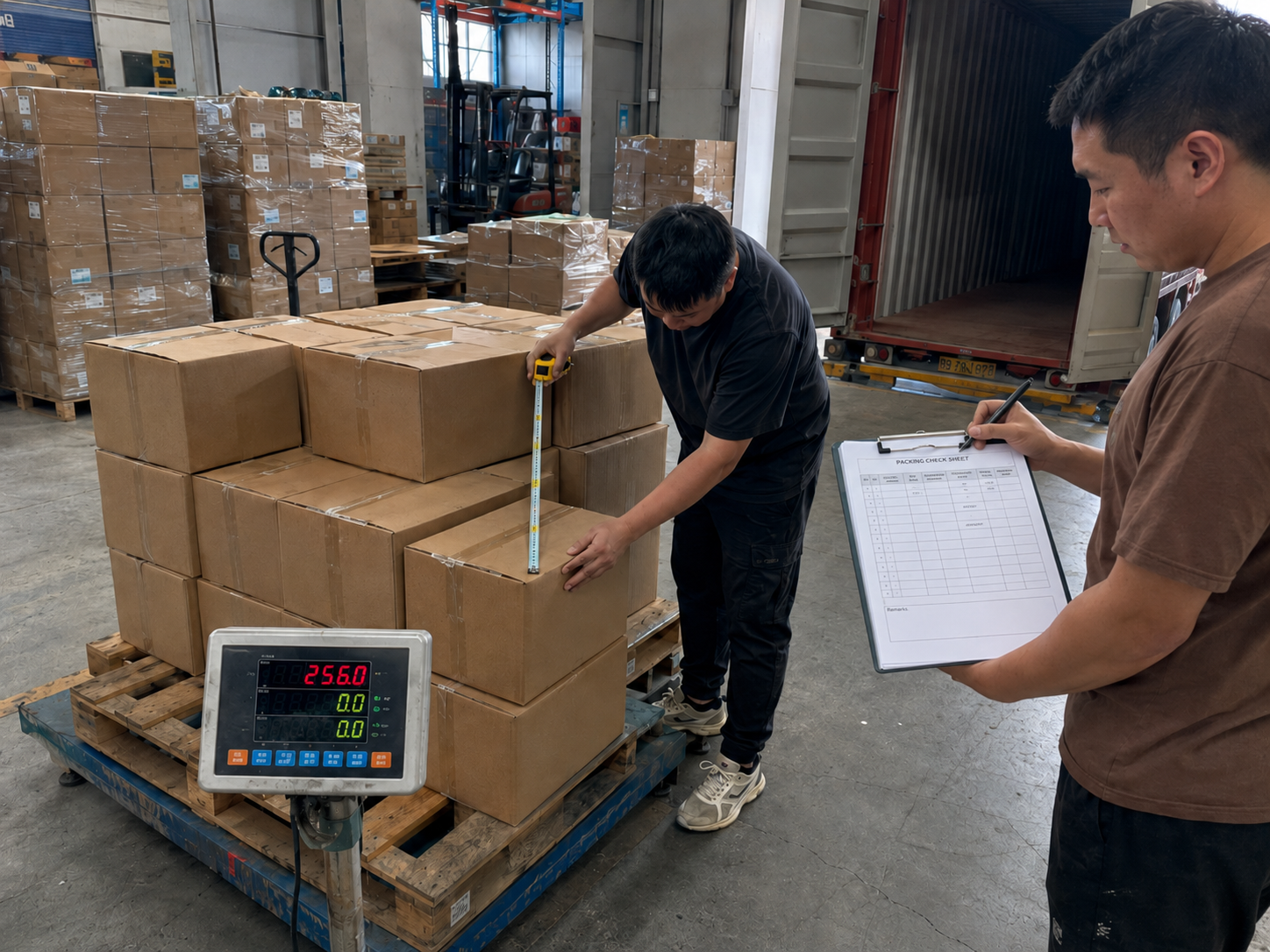
One importer planned to ship branded consumer goods to Africa using only a standard invoice and packing list. During pre-shipment review, our team found that the file was too weak for a higher-risk branded cargo movement. The products appeared genuine, but the shipment needed clearer supplier proof and more consistent product descriptions across the
documents.
After the importer corrected the paperwork before booking, the shipment moved with much lower customs risk. This is a good example of how branded goods shipping is often decided by document quality, not only by the cargo itself.
Why Importers Choose a Logistics Partner for Branded Goods
Importers usually do not need a logistics partner just to move cartons from one port to another. They need a team that can review the shipment, assess route risk, and spot avoidable problems early.
For branded cargo, that support may include:
- pre-shipment document review
- route and customs-risk assessment
- advice on cargo description consistency
- support during inspection or clearance
- destination coordination for Africa-bound cargo
At Okaytrans, we provide this kind of support for importers who want a practical and realistic plan. We help check cargo details, review documents, assess possible customs issues, and suggest a safer shipping solution based on product type, destination, and risk level.
Conclusion: Yes, You Can Ship Branded Goods — but Compliance Comes First
So,do you ship branded goods?Yes, we do. But safe branded goods shipping is never just about finding freight space. It depends on authenticity, legal sourcing, clear documents, and a route that fits the rules of the destination market.
If you plan to ship branded goods internationally, focus on compliance before freight cost. That is the best way to reduce delays, detention, and unnecessary loss.
If you need help moving branded cargo to Africa, Okaytrans can review your shipment details, check the documents,assess route risk, and help you choose a safer shipping plan before booking.
FAQ About Shipping Branded Goods
Can I ship branded goods internationally?
Yes. You can ship branded goods internationally if the products are genuine, legally sourced, and supported by compliant shipping documents.
Do I need a brand authorization letter to ship branded products?
Not always. Some shipments move with normal trade documents, while others may need stronger source proof or a brand authorization letter depending on the product, brand, route, and destination market.
Will customs check branded goods?
Yes. Customs authorities actively monitor shipments that may involve trademark infringement or counterfeit risk, and both CBP and EU authorities publish regular IP enforcement data.
What happens if customs thinks the goods are counterfeit?
The shipment may be held, inspected, delayed, or seized. Customs may also ask for more documents or start a review linked to IP enforcement procedures, as outlined in WIPO’s IP enforcement guidance.
How can I reduce risk when shipping branded goods?
Use a real supplier, keep strong purchase records, make your documents consistent, check destination rules before booking, and work with a logistics team that understands branded cargo.
Suggested Video Insert
YouTube section title:Watch: Why IP Enforcement Matters in International Trade
Video link:Watch the video on YouTube