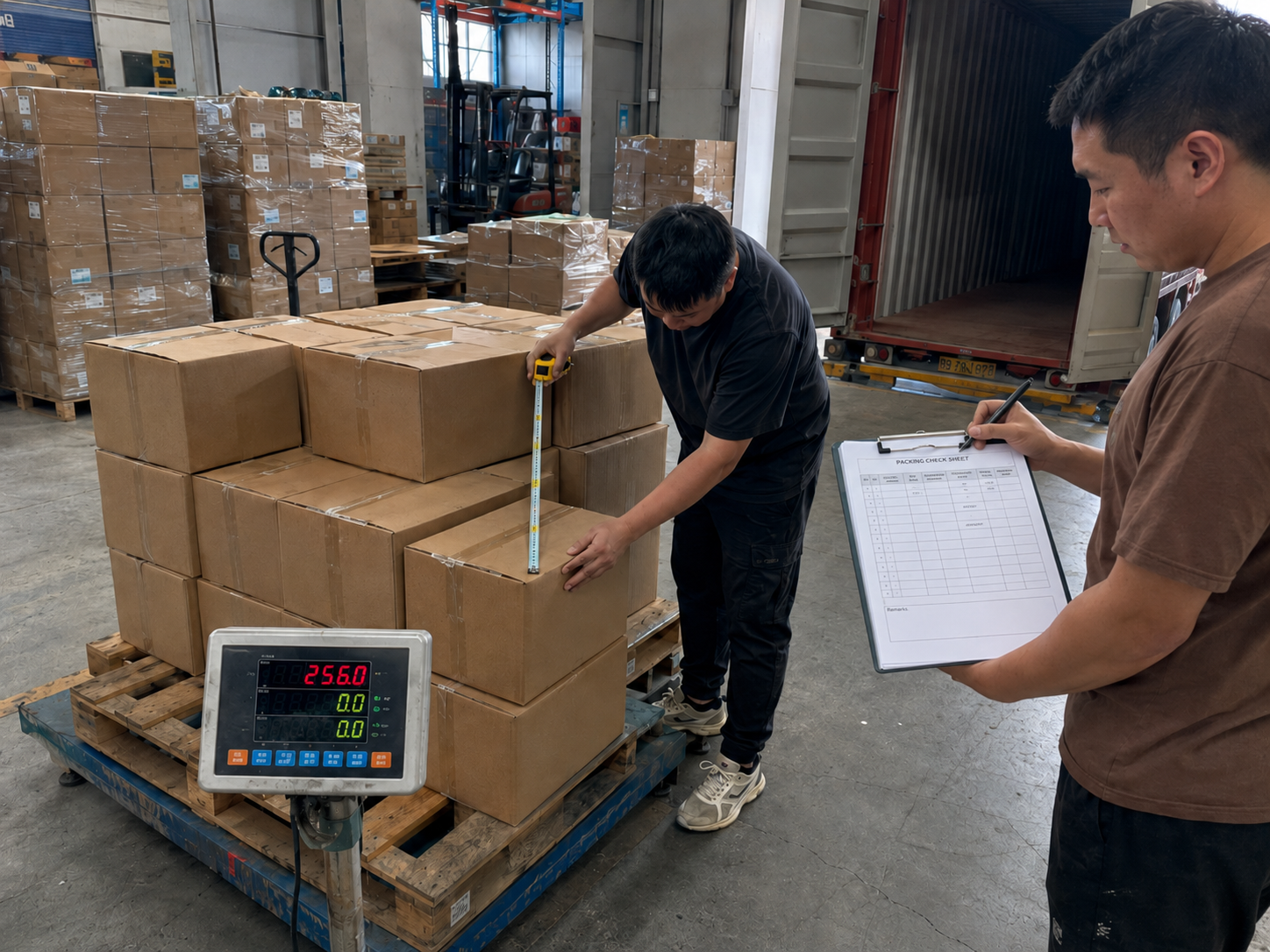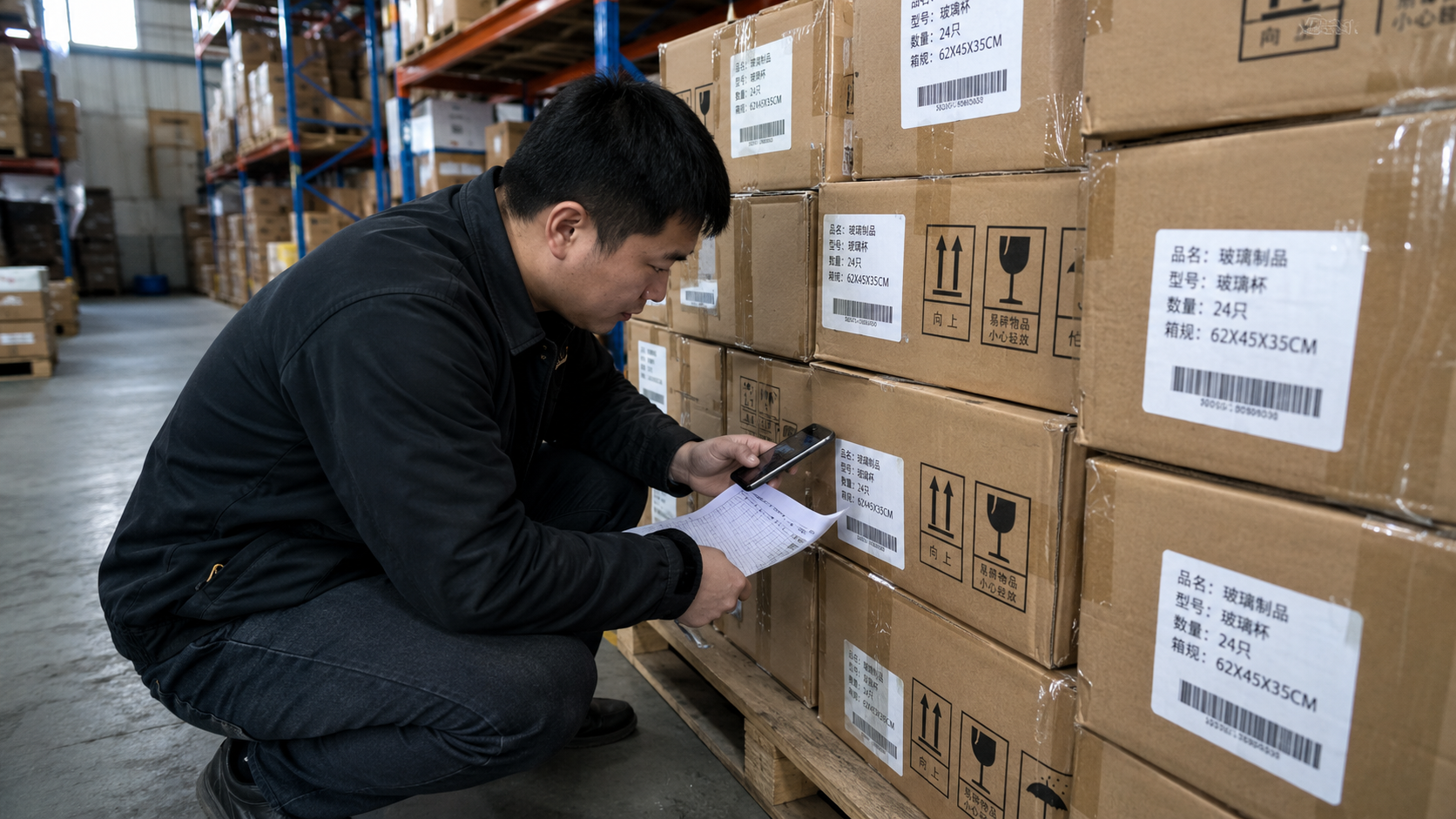
Yes, we do repack to reduce chargeable weight in many cases. Repacking can help lower shipping costs when the cargo, packaging, and shipping method are suitable. In this guide, you will learn what chargeable weight means, how repacking works, when it saves money, what risks to watch for, and how to decide whether repacking is the right option for your shipment.
What Does “Chargeable Weight” Mean in Shipping?
Chargeable weight is the weight a carrier uses to calculate freight cost. In many express and air shipments, the carrier compares the actual weight with the volumetric weight and charges the higher one.
According to FedEx’s dimensional weight guide , dimensional weight reflects how much space a package takes up in relation to its actual weight.DHL’s explanation of volumetric weight makes the same point: low-density cargo can cost more because it uses more space during transport.
That means a shipment does not become expensive only because it is heavy. It can also become expensive because the packaging is too large. If a carton has too much empty space, the carrier may bill it based on volume instead of scale weight.
This is why packaging matters so much in international shipping. A product may be light, but if it sits inside an oversized box,the chargeable weight can rise fast.
How Air Freight Chargeable Weight Is Calculated
Actual Weight vs Volumetric Weight Explained
Can Repacking Reduce Chargeable Weight?
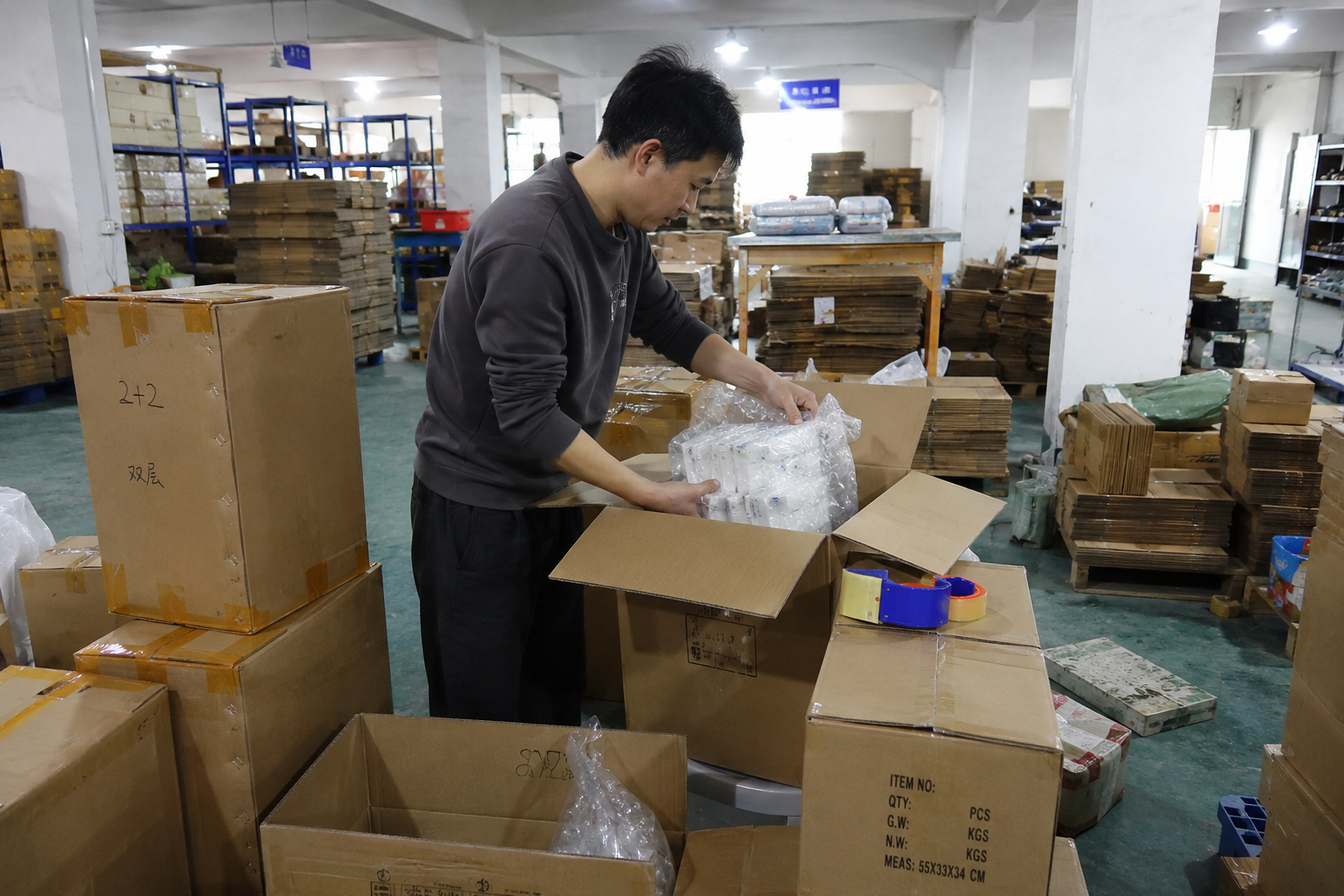
Yes, it can. Repacking reduces chargeable weight when the original cartons contain too much unused space, too much filler, or inefficient box sizes.
The main idea is simple: make the shipment more compact without reducing protection.
For example, repacking may help by:
- removing empty space inside the carton
- reducing outer carton dimensions
- combining several poorly packed cartons into fewer, better-sized cartons
- improving cargo density for air or express transport
As FedEx’s dimensional weight guide explains, better packaging efficiency can reduce shipping cost. This is especially true when volumetric weight is higher than actual weight.
But repacking does not always save money. If the cargo is already packed tightly, or if the shipment is billed mainly by actual weight, the benefit may be small. Also, some shipments need their original packaging for safety, retail presentation, compliance, or warranty reasons.
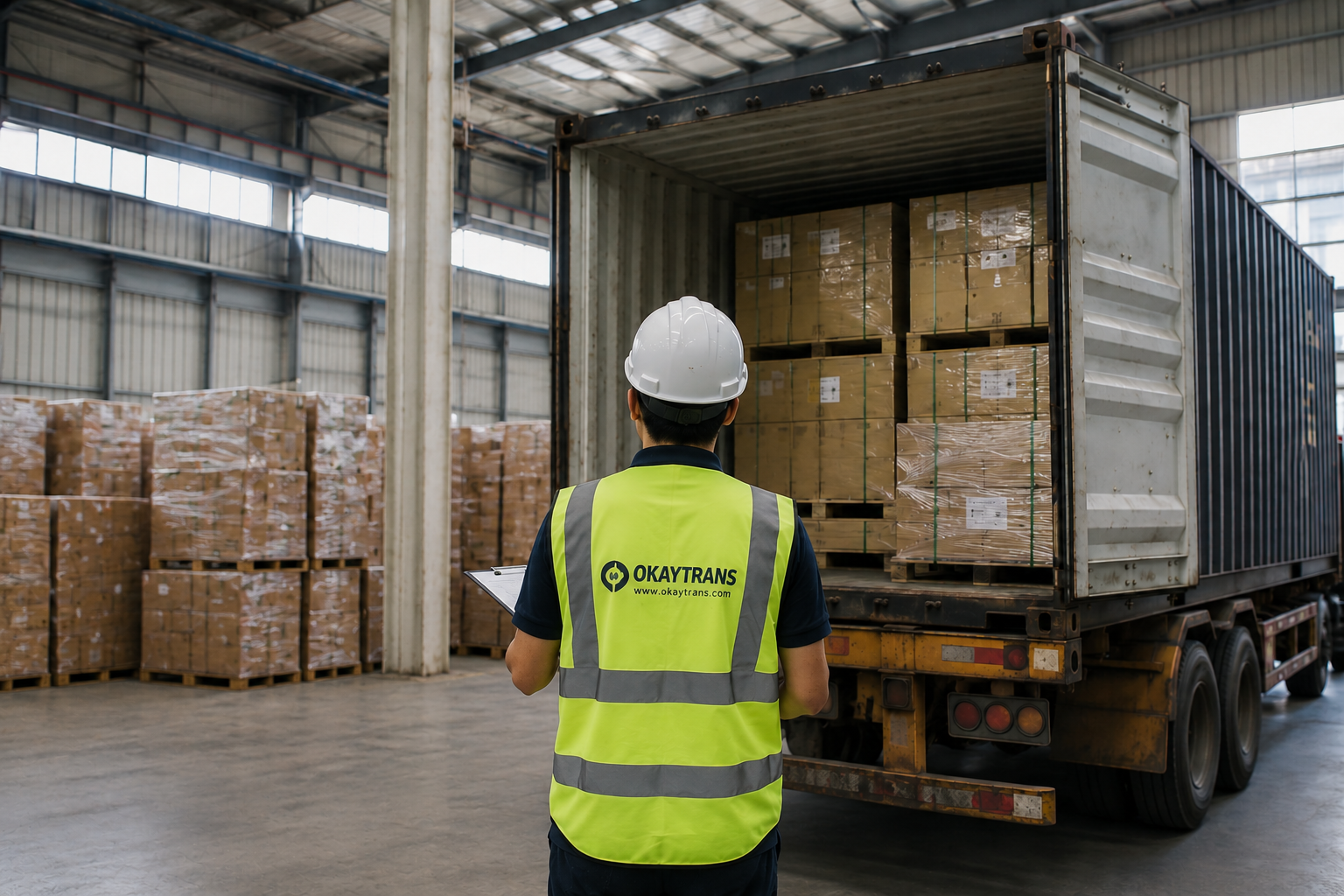
In our day-to-day warehouse operations, the shipments most likely to benefit from repacking are usually light but bulky cargo, mixed supplier orders, and cartons with obvious empty space. That is why repacking should always be evaluated case by case.
How to Reduce Air Freight Costs
Volumetric Weight Optimization Tips
What Types of Cargo Are Suitable for Repacking?
Light but bulky goods
These are often the best candidates. Examples include textiles, plastic items, household goods, and other products that take up space but do not weigh much. If the outer box is too large, volumetric weight can quickly become the main cost driver.
Consolidated cargo
When goods come from different suppliers, carton sizes are often inconsistent. Some boxes may be half empty. Some may use extra filler. In these cases, repacking can help standardize the load and improve space use before export.
Supplier packaging with excess empty space
This is very common in B2B shipping. Suppliers usually pack goods for basic protection, not for freight cost efficiency. A forwarder can review whether the box is larger than needed and whether better inner support can keep the cargo safe in a smaller carton.
Cargo that should not be repacked easily
Not all cargo should be repacked. Fragile goods, precision equipment, high-value electronics, or products with strict retail packaging requirements need more caution.
As DHL’s packing guide explains, good packaging must control empty space while still protecting the item from impact and movement. So the question is not only “Can we make the box smaller?” The better question is “Can we make it smaller and still safe?”
From experience, the best repack candidates are shipments with obvious wasted space. The worst candidates are usually fragile or compliance-sensitive goods where even a small packing mistake can create a much bigger loss than the freight saving.
How to Ship Fragile Goods Internationally
What Are the Risks of Repacking Cargo?
The first risk is product damage. If repacking removes too much cushioning or uses a weak carton, the goods may move, crush, or break during handling and transit.
According to DHL’s packing guide, empty space should be fully filled to prevent movement, and multiple items should be separated properly. That shows an important truth: smaller packaging is not always better packaging.
The second risk is carton strength and stacking safety. A smaller carton still needs to handle warehouse stacking, loading pressure, and transport vibration. UPS packaging tips recommend rigid boxes, correct cushioning, and proper sealing for safe transport.
The third risk is label and document mismatch. If cartons are split, merged, or renumbered during repacking, the labels, packing list, invoice, and shipping details must all be updated correctly. DHL’s international shipping preparation guide notes that shipment information should match the actual contents for smooth customs clearance.
This is why professional repacking is not just a warehouse task. It is also a control task. Cost, protection, and compliance must stay aligned.Best Packaging Practices for International Shipping Customs Documentation Checklist
How Freight Forwarders Evaluate Whether Repacking Is Worth It
A professional forwarder should not guess. Repacking should follow a simple review process.
1. Measure the current shipment
First, check the original carton dimensions and actual weight. Then compare the actual weight with the expected volumetric weight using the carrier’s rule.
2. Review how much space can be saved
Next, inspect the inside of the cartons. Is there dead space? Can several cartons be merged? Can the same protection be kept with a better box size?
3. Check cargo safety and packaging requirements
The cargo type matters. A soft product and a fragile machine do not need the same packing strategy. Some goods can be repacked easily. Others should stay in original packaging.
4. Compare handling cost with freight savings
Then compare the repacking cost with the expected freight reduction. If the saving is small, repacking may not be worth it. If the volume drops clearly, the savings may justify the work.
5. Update labels and shipping data
If the cargo is repacked, the carton count, measurements, labels, and documents should all be updated.
In our warehouse practice, we usually find that repacking is most valuable when supplier cartons are oversized or when several small shipments can be consolidated into a cleaner export setup. The goal is not just to reduce carton size. The goal is to reduce chargeable weight safely and correctly.
Freight Cost Calculation Service
Warehouse Packing and Repacking Services
A Simple Example: How Repacking Can Lower Shipping Costs
Here is a simple example.
A client ships 4 cartons of light consumer goods. The products are not heavy, but the supplier uses oversized cartons with too much empty space. Because of the large carton size, the shipment is billed mainly by volumetric weight.
After inspection, the cargo is repacked into 3 better-fitted cartons with proper inner support and less wasted space. The actual weight stays almost the same, but the total shipment volume drops.
That means the chargeable weight falls, and the freight cost can fall with it.
In one recent shipment scenario like this, the biggest saving did not come from changing the product or the route. It came from correcting the packaging size. This is a common result with mixed supplier cargo, e-commerce consolidation, and low-density goods.
That is the real value of repacking. It does not create fake savings. It removes avoidable volume cost.
Case Study: How We Helped a Client Cut Freight Costs
Best Practices for Safe Repacking
Safe repacking is about more than using a smaller box. It means rebuilding the shipment so it can still handle loading,stacking, transit, and delivery.
Based on DHL’s packing guide and UPS packaging tips, a good repacking process should include:
- selecting the right box strength
- reducing empty space without compressing the cargo too much
- keeping enough cushioning for fragile or sensitive goods
- separating multiple items correctly
- sealing cartons well
- removing old labels and applying correct new labels
- updating the shipment data after repacking
A good repack job saves cost without creating new risk.
Warehouse Packing SOP for Export Cargo
Do We Offer Repacking Services to Help Reduce Chargeable Weight?
Yes. We offer repacking services when they are practical, safe, and cost-effective.
Our team can review:
- cargo type
- original carton size and weight
- shipping method
- destination
- fragility level
- labeling requirements
- expected freight savings compared with repacking cost
If repacking is likely to reduce chargeable weight without increasing risk, we can optimize the packaging and prepare the shipment for export. If repacking would create too much risk or bring only very small savings, we may advise keeping the original packaging instead.
For importers, traders, and e-commerce sellers shipping to Africa, this kind of review is especially helpful when supplier packaging is inconsistent or oversized. At Okaytrans, we focus on practical cost control, but we do not cut packaging blindly. Safe delivery always comes first.
Air Freight Services to Africa
Warehouse and Cargo Handling Services
Contact Our Team for a Repacking Assessment
Video Resource
If you want a quick visual overview of safe shipping packaging, this short DHL packaging video on YouTube is a useful reference.
Final Thoughts: Repacking Can Reduce Chargeable Weight — If Done the Right Way
So, do you repack to reduce chargeable weight? Yes, in many cases we do.
Repacking can lower shipping costs when the cargo is light but bulky, when cartons have too much empty space, or when supplier packaging is inefficient. But it only works well when safety, packaging strength, and compliance are still protected.
The best approach is not to make every box smaller. The best approach is to evaluate whether repacking will create real savings without adding avoidable risk.
At Okaytrans, we can help assess whether repacking is the right choice for your shipment and find the balance between lower freight cost and safe delivery.
FAQ: Repacking and Chargeable Weight
Can repacking always reduce chargeable weight?
No. Repacking works best when the original packaging has excess empty space and the shipment is billed by volumetric weight. If the cargo is already dense or billed mainly by actual weight, the savings may be limited.
Is repacking safe for fragile cargo?
It can be, but only when the right materials, cushioning, and carton strength are used. Fragile cargo should always be checked carefully before repacking.
Will repacking affect customs clearance?
It can if the carton count, invoice, labels, or packing details no longer match the actual shipment. That is why document and label control is important after repacking.
How can I tell if repacking will actually save me money?
Compare the repacking cost with the expected freight saving. If the shipment is bulky and the volume can be reduced clearly, repacking is often worth checking.
What details should I send for a repacking assessment?
Send the product name, quantity, current carton size, actual weight, shipping method, destination country, and whether the goods are fragile or need retail packaging. Carton photos also help.