If you only need someone to receive a parcel and send it out again, a basic forwarding service may be enough. But if you want lower shipping costs, less wasted space, better carton use, and fewer packing mistakes, you need a partner that actively improves how your goods are packed.
This article explains what a real packing optimization service does, how it helps reduce dimensional weight, when repacking and consolidation make sense, and how to choose a logistics partner that saves money instead of simply moving boxes. According to the FedEx dimensional weight guide, many shipments are billed by the greater of actual weight or dimensional weight, and DHL applies the same basic chargeable-weight logic in its DHL chargeable weight guide.

Why Parcel Forwarding Alone Is No Longer Enough
A parcel forwarding provider usually receives goods and sends them out. A logistics partner with a true packing optimization service does more. They review carton size, remove wasted space, improve internal protection, suggest repacking when supplier packaging is inefficient, and combine parcels when consolidation makes practical and cost sense.
That difference matters because shipping charges often depend on more than scale weight. FedEx defines dimensional weight as the space a package occupies in relation to its actual weight, and states that you are charged based on the dimensional weight or actual weight, whichever is greater. DHL’s chargeable-weight guidance says the same in simpler shipping terms: for many parcels, the bigger number wins. That is why oversized packaging can quietly raise freight cost even when the goods themselves are not heavy.
In real operations, this is the hidden cost of “shipping air.” When the carton is larger than it needs to be, you may pay more for space, use more filler, and still end up with poor product stability inside the box. A better partner checks the shipment before dispatch and asks a more useful question: can this be packed smaller, smarter, and safer?
This is also where right-size packaging becomes valuable, because the goal is not simply to use a smaller box, but to use the right box for the actual product and shipping method. The FedEx dimensional weight calculator is a useful reference for understanding how packaging decisions can affect cost.
What an Active Packing Optimization Service Actually Includes
A strong packaging optimization logistics service usually includes several actions rather than one single adjustment.
Right-Size Packaging
Right-size packaging means choosing a carton that fits the shipment more closely without increasing damage risk. It helps reduce wasted volume and may reduce billable weight when a shipment is being charged by dimensional or chargeable weight.
Repacking
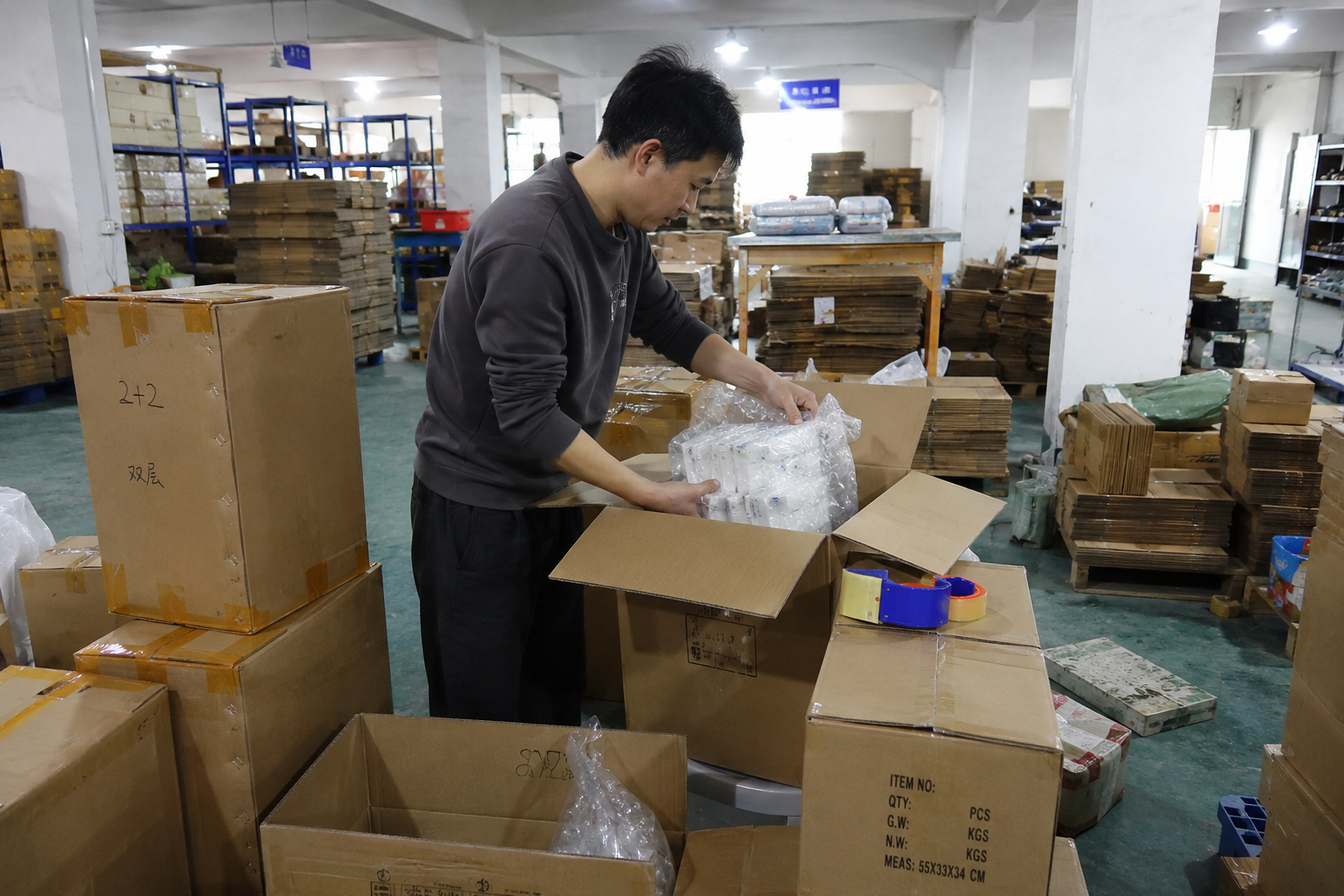
A repacking service removes weak, oversized, or wasteful supplier packaging and replaces it with a more suitable export-ready carton.This is especially useful for goods shipped in retail-style boxes, mixed packaging, or cartons with too much void space.
Parcel Consolidation
A parcel consolidation service combines multiple shipments into one more efficient outbound parcel or shipment plan when timing and product compatibility allow it. This can reduce repeated box volume, duplicate filler materials, and unnecessary handling.
Product-Based Protective Packing
Good optimization never means “make every shipment smaller.” DHL’s Essential Packing Guide says shippers should consider weight, fragility, and shipment value; use quality double-wall boxes; keep contents away from outer walls; fill all void space; and seal properly using strong tape and the H-taping method. UPS makes similar recommendations in its UPS packaging guidelines.
So the real goal is simple: pack the shipment as compactly as possible without reducing protection.
The Hidden Cost of Oversized Export Packing
Many companies compare freight rates but overlook the cost of poor carton decisions. That is a mistake, especially in cross-border trade.
The U.S. Commercial Service packing guidance notes that international packing must account for breakage, moisture, pilferage, and excess weight. It also states that transport costs are determined by volume and weight, and that specially reinforced lightweight packing materials can reduce both while still protecting the goods. That means packaging is not just a warehouse issue. It is a landed-cost issue and a risk-control issue at the same time.
The International Trade Administration’s packing list guidance also explains that a packing list includes weights and measurements and is used by freight forwarders to determine weights and freight costs. In other words, the carton size you choose does not only affect handling in the warehouse. It can affect freight quotes, shipment planning, documentation accuracy, and downstream cost decisions.
For importers and B2B buyers, this is why a forwarding-only service often falls short. It moves the shipment, but it does not improve the shipment.
Who Benefits Most From Packing Optimization Services
Not every shipment needs repacking, but many do benefit from active review before dispatch.
Cross-Border Sellers With Light but Bulky Products
These shipments often trigger dimensional or chargeable-weight pricing because the cartons take up more space than their actual weight would suggest. That is common for accessories, household items, display goods, and products with oversized retail packaging.
Buyers Sourcing From Multiple Suppliers
When several suppliers ship separately, the buyer may end up paying for repeated packaging, duplicated fillers, and extra unused carton space. Consolidation can turn multiple small inbound parcels into one more efficient outbound shipment.
Brands That Need Lower Costs Without More Damage
DHL and UPS packaging guidance both make the same basic point: correct carton strength, cushioning, and sealing matter. So the best partner is not the one that always packs smaller. It is the one that balances compact packing with shipment safety.
Companies Shipping to Cost-Sensitive Markets
This is especially important when buyers are shipping to markets where margins are tight and transport cost control matters. In those cases, reducing chargeable weight
and improving carton use can directly improve shipment economics.
How to Evaluate a Logistics Partner That Truly Optimizes Packing
If a logistics provider says they offer packing optimization, ask what they actually do before shipment leaves the warehouse.
A serious partner should be able to answer these questions clearly:
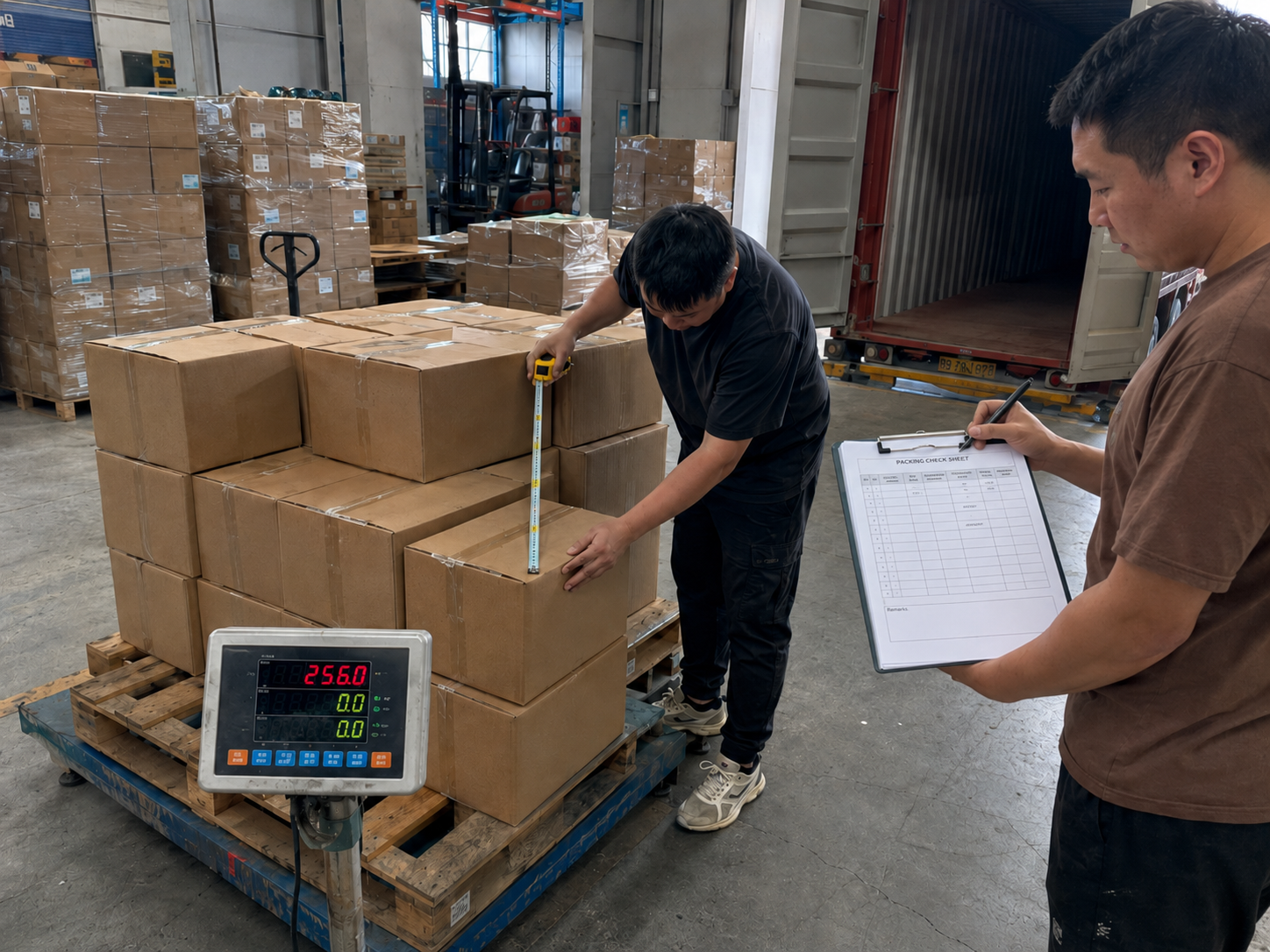
Do you measure and review carton dimensions before dispatch?
Do you recommend repacking when the supplier carton is oversized or weak?
Do you consolidate parcels when it reduces waste and cost?
Do you choose packaging based on product type, fragility, and destination?
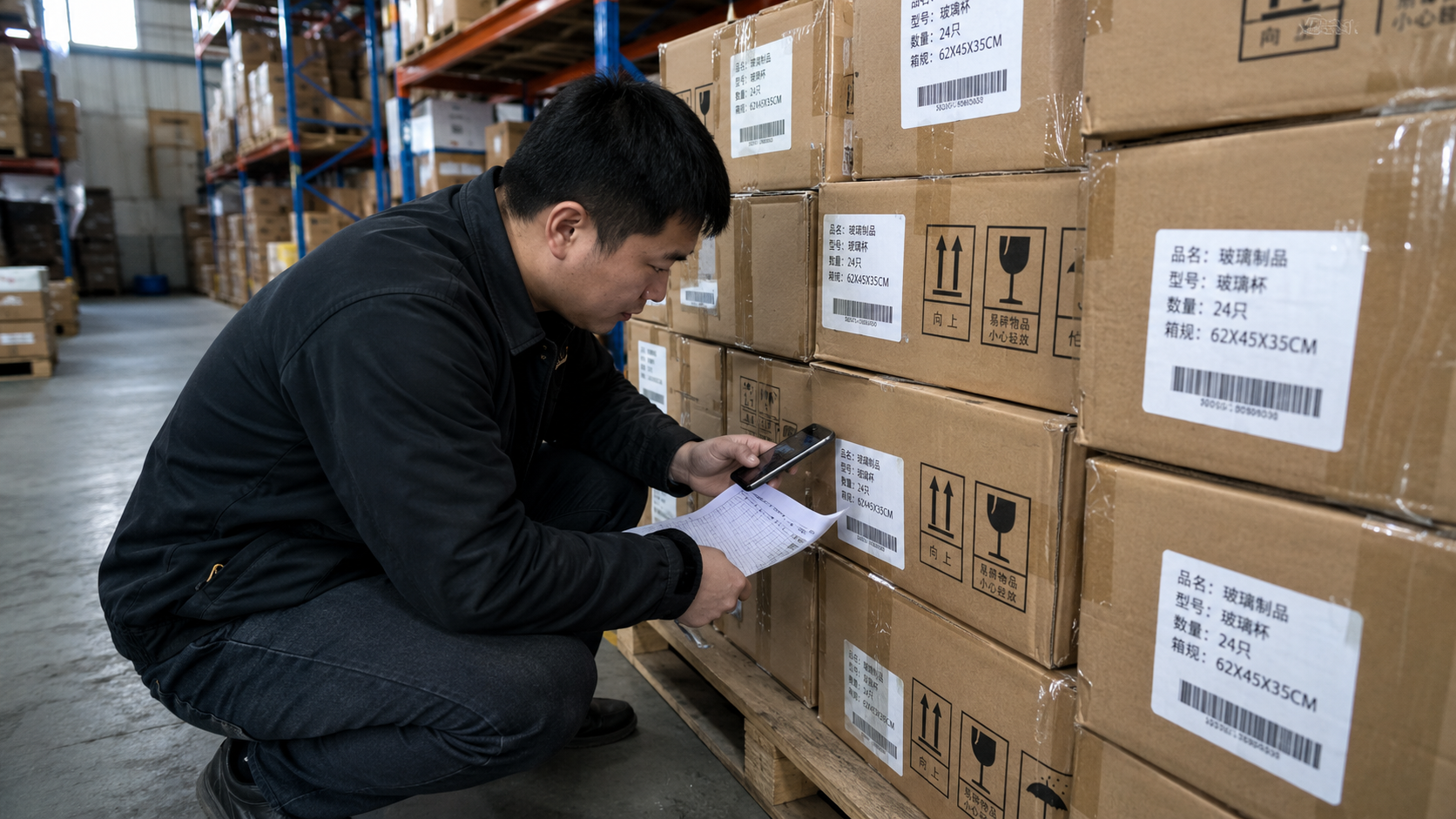
Do you provide photos or packing confirmation before final shipment?
Do you help prepare clearer packing details for export handling?
These questions matter because export shipping is not only about transportation. The International Trade Administration’s shipping and logistics guidance says some products and packaging must be altered for export, and products may need to be customized to become operable, more marketable, or legally compliant in a foreign market.
A useful partner does not wait for the customer to request repacking. They identify avoidable problems first, then recommend the best option based on cost, safety, and export practicality.
A Practical Example: How Packing Optimization Can Reduce Chargeable Weight
Imagine a shipment that arrives in a carton measuring 60 cm × 40 cm × 40 cm with an actual weight of 5 kg. Under a common volumetric formula shown in the FedEx dimensional weight FAQ and DHL’s chargeable-weight guidance, the shipment may be charged by the larger of actual and dimensional or volumetric weight, not by the scale weight alone.
Now imagine the warehouse inspects the goods and finds too much empty space inside the supplier carton. After repacking, the same goods fit safely in a 40 cm × 30 cm × 25 cm carton with proper cushioning. Using a 5,000 divisor for illustration, the first carton works out to about 19.2 kg volumetric weight, while the second is about 6 kg. The product still weighs 5 kg, but the chargeable weight may drop from roughly 19 kg to roughly 6 kg.
That kind of result will not happen on every shipment, but it clearly shows why a repacking service can change the freight outcome.
The carton became smaller
Empty space was removed
Protective packing stayed in place
The shipment became more cost-efficient
That is the real value of a packing optimization service.
How Okaytrans Supports Smarter Packing for International Shipments
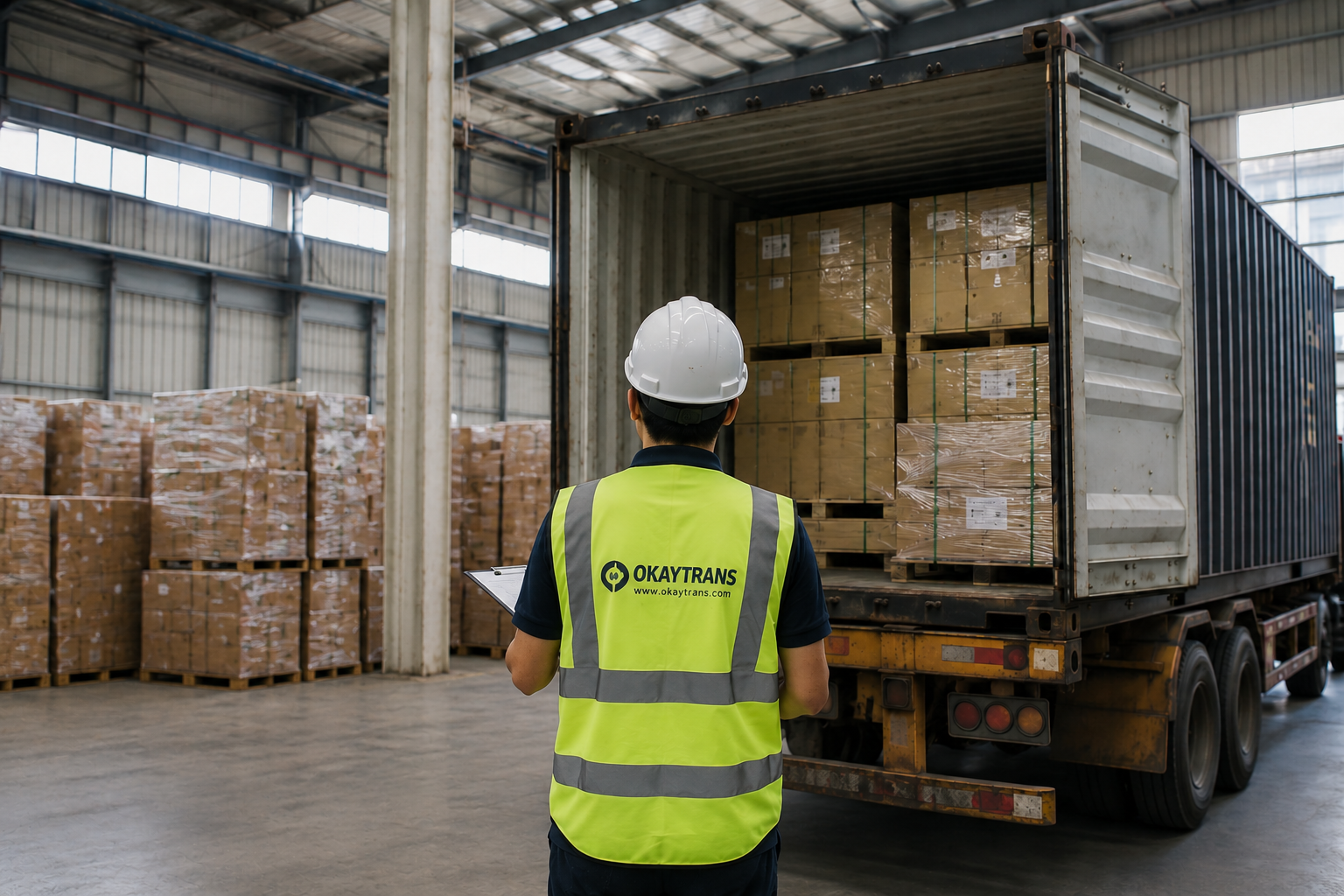
At Okaytrans, we understand that many B2B buyers do not need forwarding only. They need a partner that checks the shipment before it becomes a cost problem.
Our packing support can include:
receiving parcels from one or more suppliers
reviewing carton size and packing condition
recommending repacking when the original packaging is oversized or weak
consolidating multiple parcels into one cleaner outbound shipment
adding protective materials based on product type and fragility
preparing clearer outbound packing details for handling and shipment planning
For Africa-bound shipments, this is especially useful when buyers need better control over shipping cost, better coordination across suppliers, and a more practical export-ready packing process.
Conclusion: Choose a Partner That Reduces Shipping Waste, Not Just Moves Parcels
A true packing optimization service does more than forward parcels. It helps reduce wasted space, lower dimensional or chargeable weight, improve carton efficiency, and protect goods in a smarter way. The guidance from FedEx, DHL , and the U.S. Commercial Service all points to the same conclusion: packaging decisions directly affect freight cost, shipment safety, and export readiness.
If your suppliers ship in oversized cartons or in multiple small parcels, it may be time to work with a partner that does more than forward boxes. A better process starts before dispatch, with better packing decisions.
Call to Action: If you want to know whether repacking or consolidation can reduce your chargeable weight, send us your carton sizes or supplier shipment details for a packing review.
FAQ: Packing Optimization, Repacking, and Parcel Consolidation
What is the difference between parcel forwarding and packing optimization?
Parcel forwarding mainly receives and sends parcels. Packing optimization adds carton review, repacking, protective adjustment, and consolidation to help reduce waste and improve shipment efficiency.
Can repacking really reduce international shipping costs?
Yes. When a shipment is billed by the greater of actual weight or dimensional or chargeable weight, reducing unnecessary carton size may lower the billable weight.
When should I use parcel consolidation instead of separate shipments?
Use consolidation when goods from different suppliers can be combined safely and on schedule. It works best when separate parcels create repeated box space, repeated filler, and avoidable outbound cost.
Does smaller packaging always mean lower shipping cost?
No. Smaller packaging only helps when the goods remain properly protected. Right-size packaging is better than simply using the smallest box possible.
How can I tell whether a logistics provider actively optimizes packing?
Ask whether they measure cartons, recommend repacking, consolidate parcels, adjust protection by product type, and provide shipment photos or packing feedback before dispatch.
Optional Video Resource
For a visual reference, you can also embed DHL’s shipment packing video as supplementary content on the page.