If your supplier uses cartons that are too large, you may end up paying for space, not just weight. Many carriers and freight providers charge based on the higher of actual weight and dimensional or volumetric weight. That is why removing empty space or changing cartons before shipping can lower costs in the right situation. As explained in FedEx’s dimensional weight guide, and in DHL’s chargeable weight guide, shipment size can directly affect what you pay.
In this guide, you will learn when carton optimization can reduce chargeable weight, when repacking should be avoided, and what a professional freight forwarder should check before making any packing changes. You will also see how a proper repacking service can improve shipping efficiency without increasing cargo risk.
Why Customers Ask About Removing Empty Space or Changing Cartons
Most buyers ask this question because oversized cartons can increase the billable weight of a shipment. According to FedEx’s dimensional weight guide, dimensional weight reflects the space a package takes up, and customers are charged based on dimensional weight or actual weight, whichever is greater.DHL’s chargeable weight guide explains the same principle for freight.
In simple terms, a light but bulky shipment can cost more than a smaller carton carrying the same goods. That is why importers, wholesalers, and e-commerce sellers often ask whether a forwarder can remove empty space or change cartons before export.
Another reason is that factory cartons are not always built for international transport. Some are designed for storage, retail display, or local delivery. They may include unnecessary empty space, inconsistent carton sizes, or weak internal support. In air freight and LCL shipping, that wasted space can directly increase cost. DHL’s freight calculation guide notes that air freight, ocean freight, road freight, and rail freight can use different volumetric calculations, and that LCL is volume-based while FCL is charged by container.
Customers also want risk control. They do not only want smaller cartons. They want lower shipping cost without more breakage, crushing, or claims. UPS’s package dimensions and weight support page highlights the importance of correct measurements, and UPS packaging guidelines stress that goods must be securely packed, wrapped, and cushioned for transportation.
When Repacking and Carton Optimization Can Really Reduce Shipping Costs
Repacking helps most when goods are light but bulky. This often happens with home goods, textiles, plastic products, promo items, and mixed e-commerce orders. In these cases, carton size may drive the billable weight more than the product itself. Both FedEx and DHL explain that when dimensional or volumetric weight is higher than actual weight, the higher figure is what affects the shipping charge.
This is especially important for express shipments and air freight. DHL’s freight explainer gives an air freight density example using a 1:6 ratio, which is equivalent to the common 6,000 divisor in centimeters. That means even a moderate carton reduction can materially reduce chargeable weight.
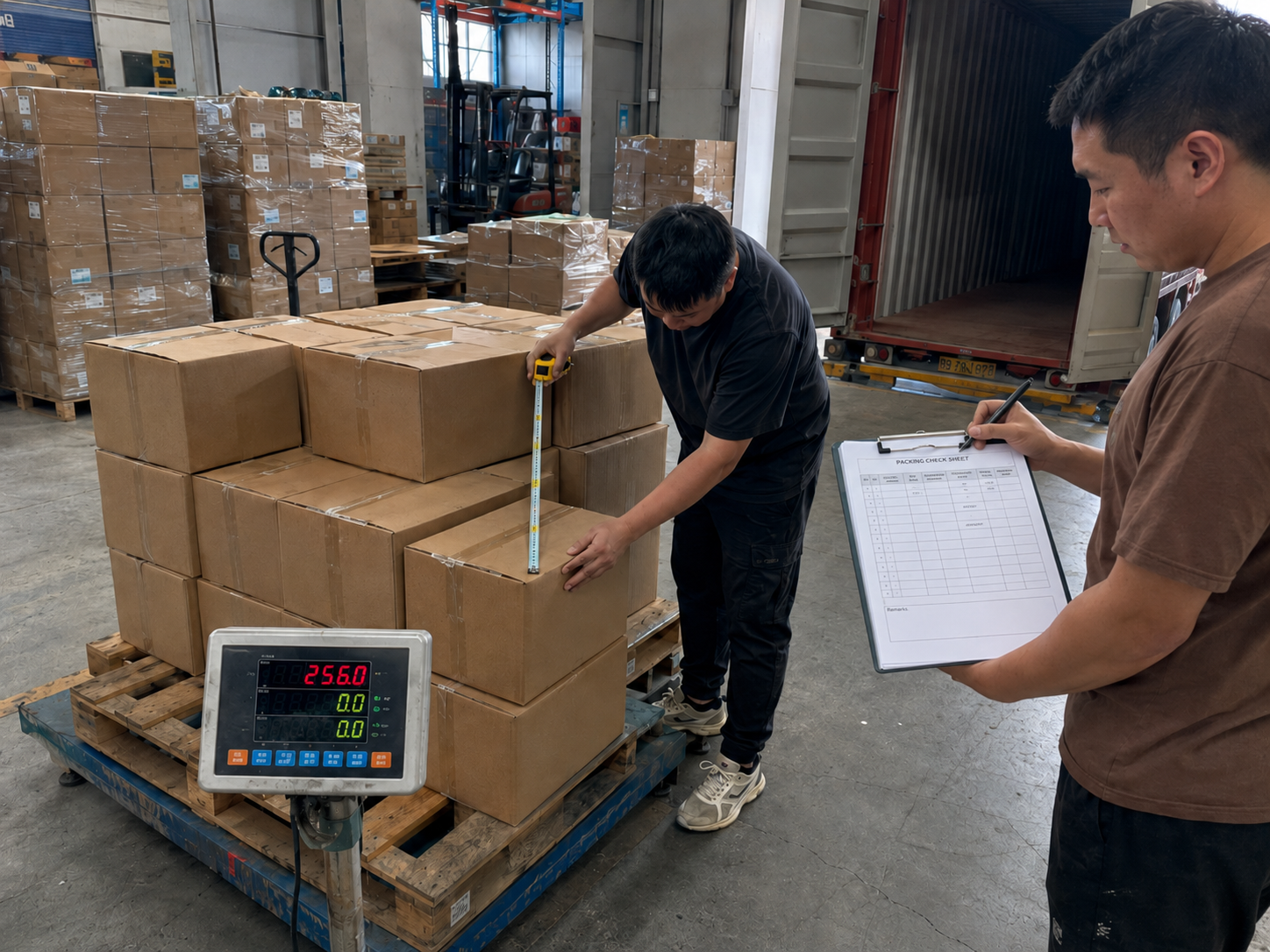
For example, if one carton measures 60 × 50 × 40 cm, its volumetric weight is 20 kg under the 6,000 divisor method. If the same cargo is repacked into a 50 × 40 × 30 cm carton, the volumetric weight drops to 10 kg. If the actual weight is lower than both numbers, the smaller carton can significantly reduce the billable weight. This is one of the clearest cases where changing cartons before shipping can save money.
Repacking can also help for LCL shipments. DHL states that LCL uses volume-based charging, while FCL is priced by the container rather than by each shipment’s cubic volume. So, if your goods move as LCL, reducing carton volume may directly improve cost efficiency.
Another strong use case is cargo consolidation. When goods come from multiple suppliers in mixed carton sizes, a warehouse can review whether cartons should be resized, merged, or rebuilt with cleaner labeling and more consistent dimensions. This can help reduce piece count, simplify packing lists, and make export handling easier.
Expert insight: Repacking is worth doing when the space savings are meaningful, the chargeable weight can be reduced, and the goods can still travel safely. A professional forwarder should never make cartons smaller first and think about protection later.
When Repacking Is Not the Best Option
Not every shipment should be repacked. Fragile goods often need controlled space for foam, dividers, corner protection, or special inner support. UPS packaging guidelines make clear that the shipper is responsible for ensuring that contents are securely packed, wrapped, and cushioned for transportation. That means removing empty space should never mean removing necessary protection. The goal is to remove wasted space, not useful cushioning. Factory-sealed products may also need to stay in the original carton. Some goods are packed that way for brand presentation, warranty reasons, retail requirements, inspection rules, or serial-number control. In those cases, changing the carton may create disputes or compliance issues. High-value goods should be judged even more carefully. Electronics, glass products, precision parts, and sensitive equipment may need stronger packaging rather than smaller packaging. If reducing the outer carton increases movement, compression risk, or corner damage, repacking is not the right choice.
Warehouse view: If a smaller carton weakens stacking strength or increases movement inside the box, we keep the original carton or reinforce it instead of forcing a size reduction.
What a Professional Forwarder Should Check Before Repacking
A professional freight forwarder should begin with real measurements. UPS advises shippers to measure dimensions and weight correctly, and warns that differences between entered shipment data and measured data can lead to billing adjustments or fees. That means the first step is simple:
- measure the original carton
- compare actual weight and chargeable weight
- check the shipping mode
- estimate whether repacking will create meaningful savings
Next comes packaging safety.UPS packaging guidelines recommend using rigid boxes, adequate cushioning, strong tape, and proper internal protection to limit movement during transit. The same guidance notes that filler materials are used to fill empty spaces and reduce shifting. Then comes documentation control. If cartons are changed, the shipment data may also change:
- carton dimensions
- carton weight
- carton count
- shipping marks
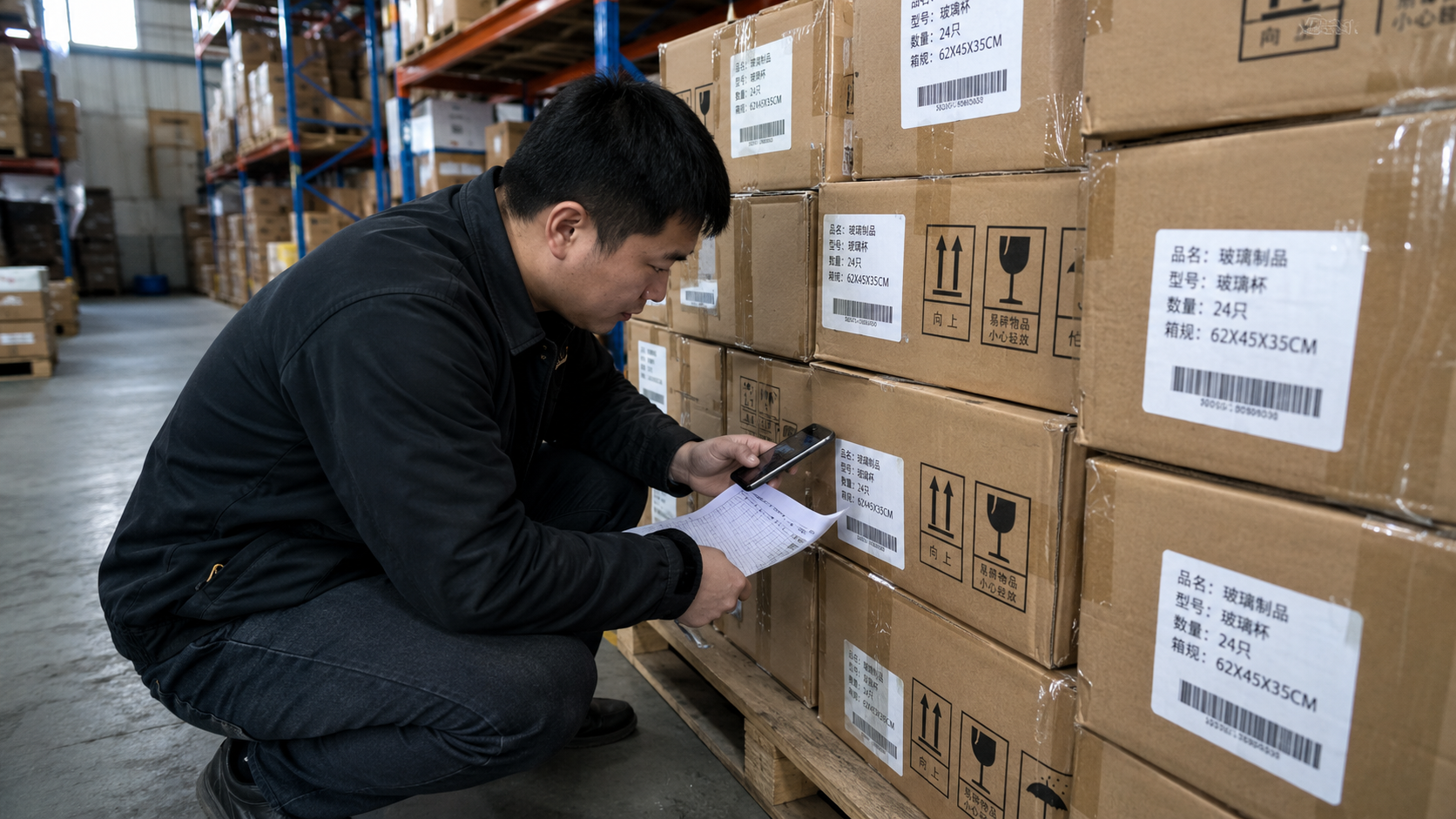
- packing list details
- label placement
This is important because accurate data helps reduce billing disputes, warehouse confusion, and handling problems later. Finally, a good forwarder should provide visibility. That usually means updated photos, revised carton details, and a clear explanation of what changed and why.
How Much Can Repacking Save?
There is no honest flat percentage that fits every shipment. Savings depend on the shipping mode, cargo density, how oversized the original cartons are, and whether repacking labor or extra materials are needed. In most cases, the biggest savings happen when:
- the goods are light but bulky
- the original cartons are clearly oversized
- the shipment moves by express, air freight, or LCL
- the billable weight is driven by space rather than actual mass
As noted in FedEx’s dimensional weight guide, dimensional-weight pricing can reward shippers who remove unnecessary oversized packaging and increase shipment density.
Smaller carton changes can also help reduce the risk of billing corrections. UPS explains that correct dimensions and weight matter because shipment data errors can affect billable weight and may lead to adjustment-related charges.
Example of a realistic savings scenario
A customer ships lightweight household products in oversized factory cartons. After warehouse inspection, the cartons are resized and rebuilt with better inner support. The total carton volume drops, the shipment becomes denser, and the air-freight chargeable weight falls enough to reduce the final freight cost. This kind of result is common when the original packaging is designed for storage or retail display instead of export efficiency.
How Our Repacking Service Works Before International Shipping
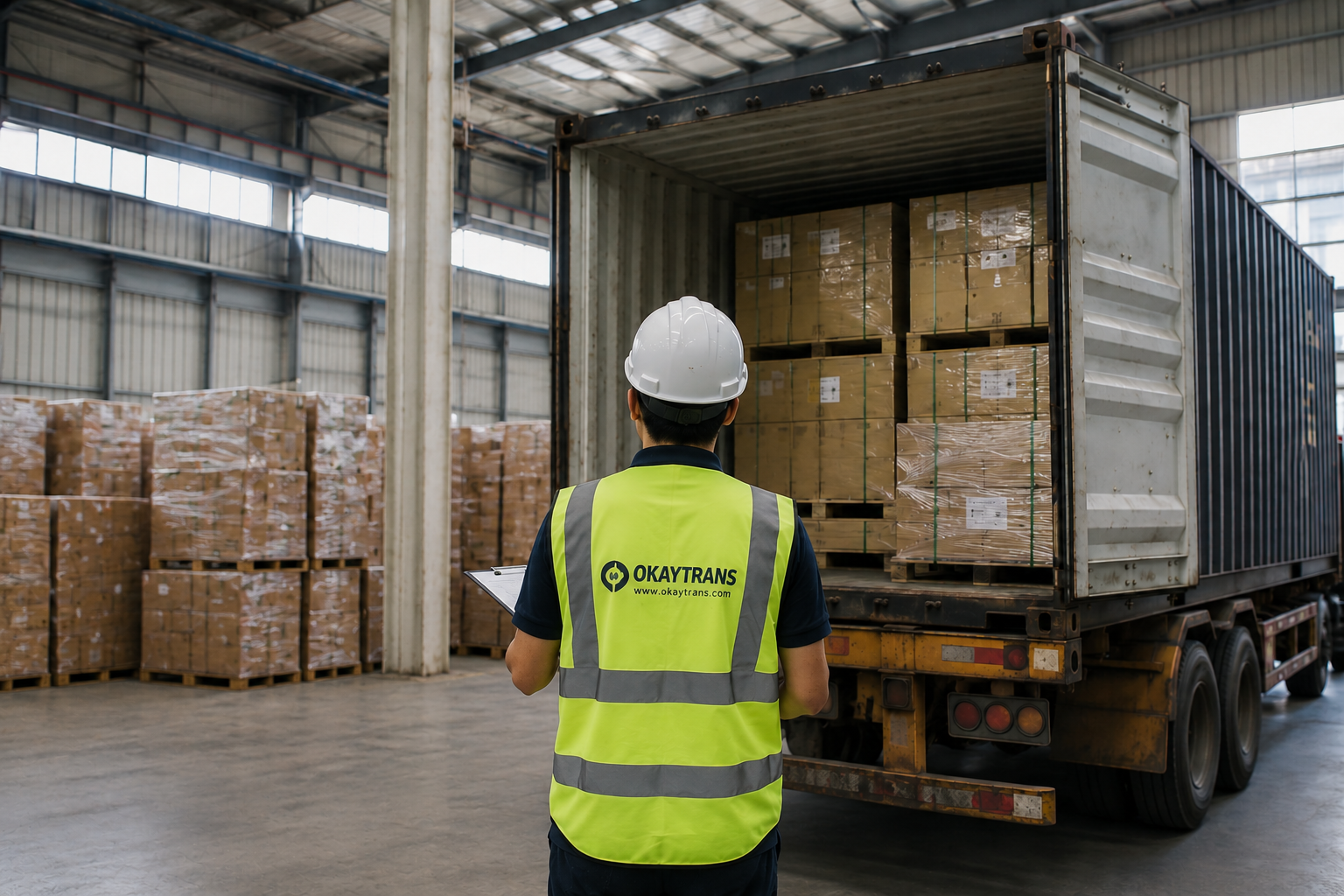
At Okaytrans, we can provide this service when it makes sense for the shipment. We do not change cartons just to make them look smaller. We first inspect the cargo, review the original packing style, and check whether carton optimization is likely to reduce shipping cost without raising cargo risk. Our process is straightforward.
1. Receive and inspect
We check carton condition, carton size, obvious wasted space, and whether the goods are suitable for repacking.
2. Measure and evaluate
We review actual weight, estimated chargeable weight, shipping mode, and likely savings.
3. Repack or resize when suitable
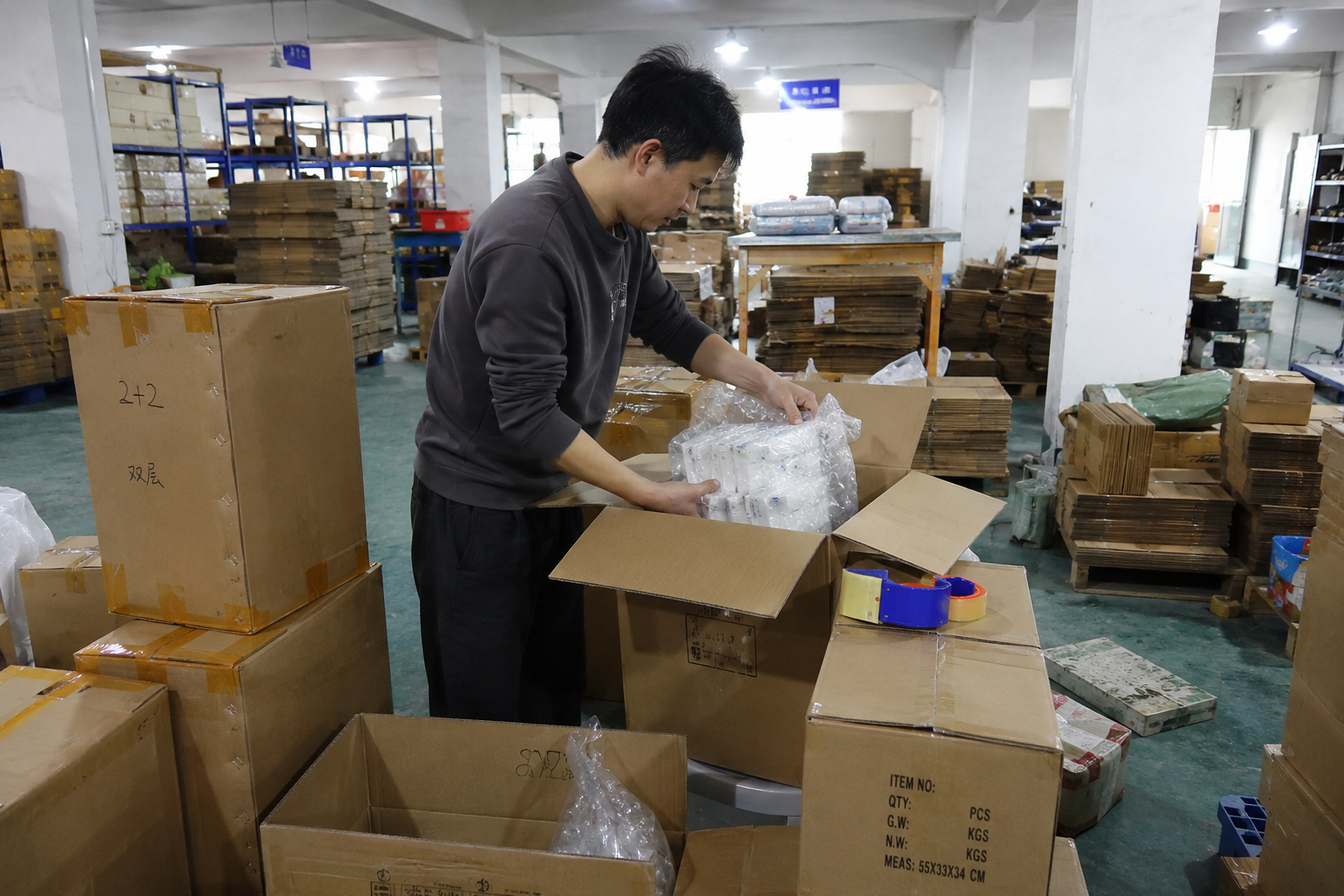
If the cargo can still travel safely, we remove unnecessary empty space, change cartons where needed, and add protective
materials where required.
4. Re-label and update shipment data
We update carton dimensions, carton weight, piece count, marks, and packing information.
5. Share photos and move to final shipment
We can provide photo feedback after repacking, so the customer can review the result before final dispatch. This service is especially useful for importers, wholesalers, Amazon sellers, and buyers consolidating cargo from multiple suppliers before shipping to Africa.
Video Recommendation
To help readers better understand billable weight, you can embed UPS’s video on how to calculate billable weight on small parcels. It explains the difference between actual weight, dimensional weight, and billable weight in a simple way.
Conclusion: Yes, We Remove Empty Space or Change Cartons When It Makes Sense
Yes, we can remove empty space or change cartons when possible. But the real goal is not to use the smallest box at any cost. The real goal is to make the shipment safer, cleaner, and more cost-efficient when carton optimization truly helps.
As shown in FedEx’s dimensional weight guide and DHL’s chargeable weight guide, carriers often compare actual weight and dimensional or volumetric weight, then charge based on the higher result. UPS packaging guidelines also make clear that proper packaging and accurate measurement still matter. That is why a good repacking service should balance cost savings, cargo protection, and documentation accuracy at the same time.
If your supplier cartons are oversized, your goods are light but bulky, or you want to reduce chargeable weight before shipping, Okaytrans can inspect the cargo, repack it when suitable, update carton data, and help you move the shipment in a more cost-effective way.
If you want us to check whether your cartons can be optimized, send us your product type, carton dimensions, carton weights, shipping method, and destination country.
FAQ: Removing Empty Space and Changing Cartons Before Shipping
Can changing cartons really reduce international shipping costs?
Yes. Changing cartons can reduce shipping cost when the shipment is charged by dimensional or volumetric weight. It helps most when the goods are light but take up too much space.
Will removing empty space make my cargo less safe?
Not if it is done correctly. Good repacking removes wasted space, not necessary protection. UPS packaging guidance shows that contents should still be securely packed, wrapped, and cushioned for transportation.
Do all shipments need repacking before export?
No. Fragile goods, high-value cargo, factory-sealed products, and shipments with special compliance or label requirements may be better left in the original carton.
Can you send photos after repacking the cartons?
Yes. Photo feedback is very helpful for B2B cargo because it lets the customer check carton condition, labels, piece count, and the overall repacking result before final shipment.
What do you need before deciding whether to change cartons?
We usually need the product type, original carton dimensions, original carton weight, shipping mode, destination country, and any fragile or compliance requirements. That helps us judge whether repacking will save money and still keep the cargo safe.