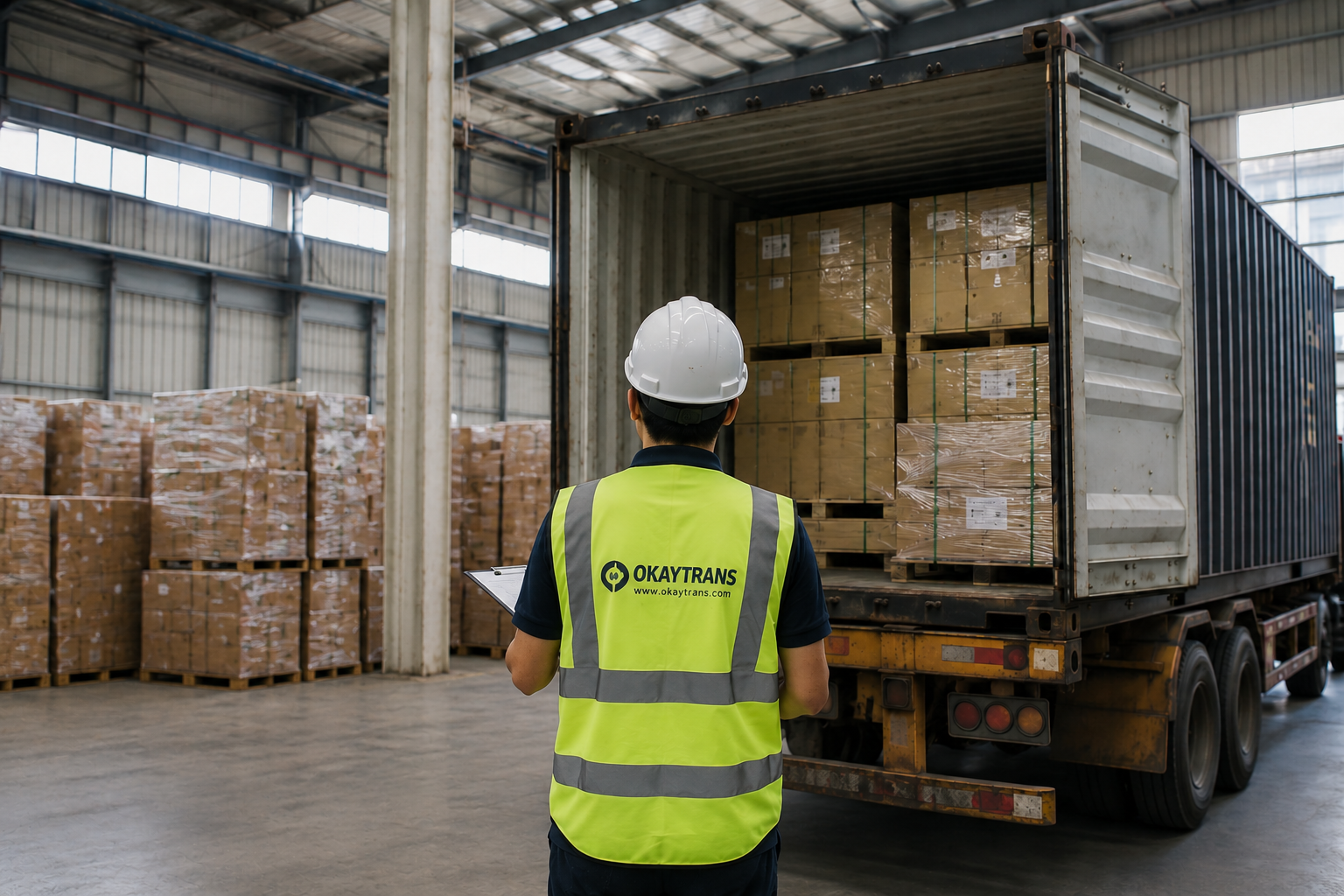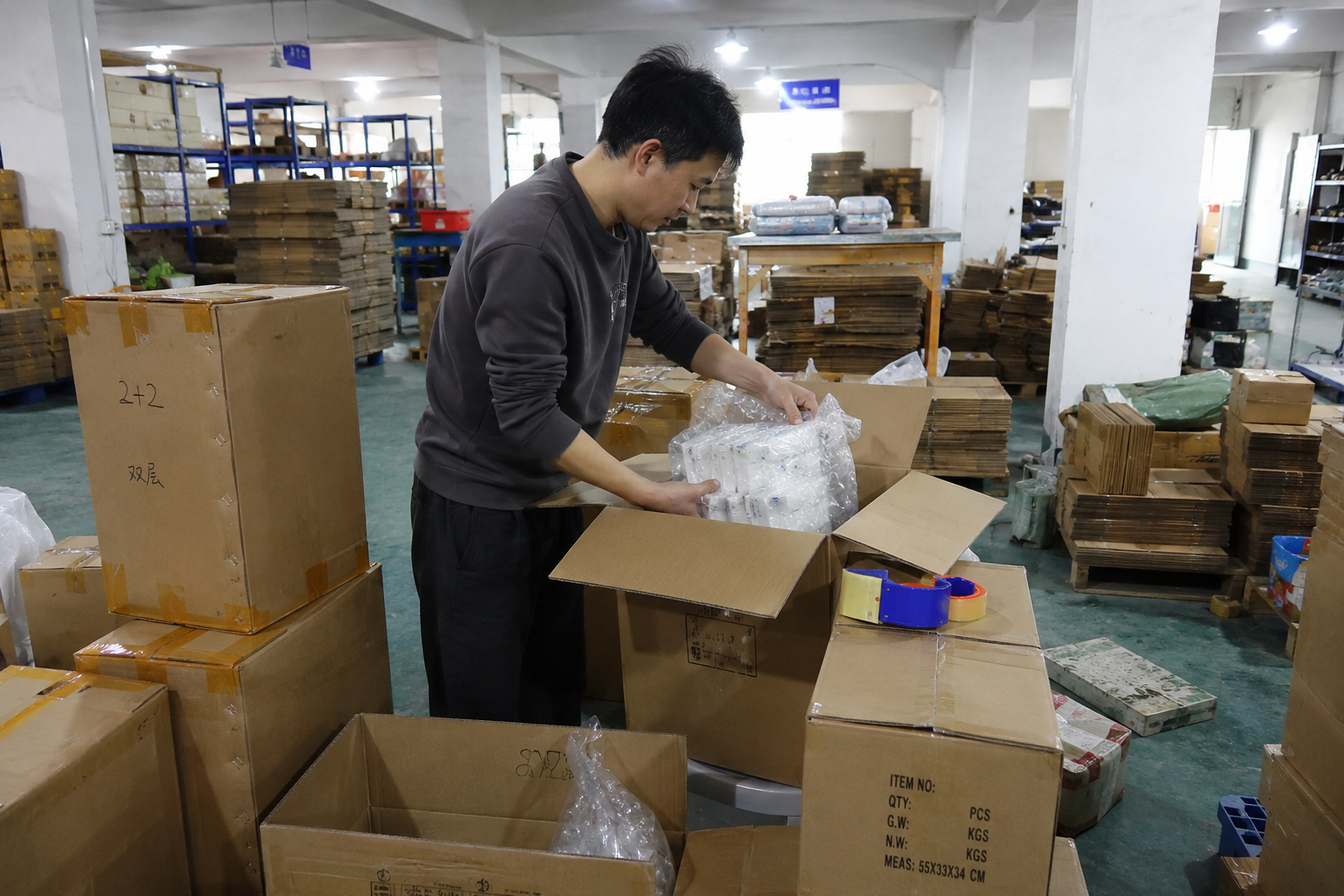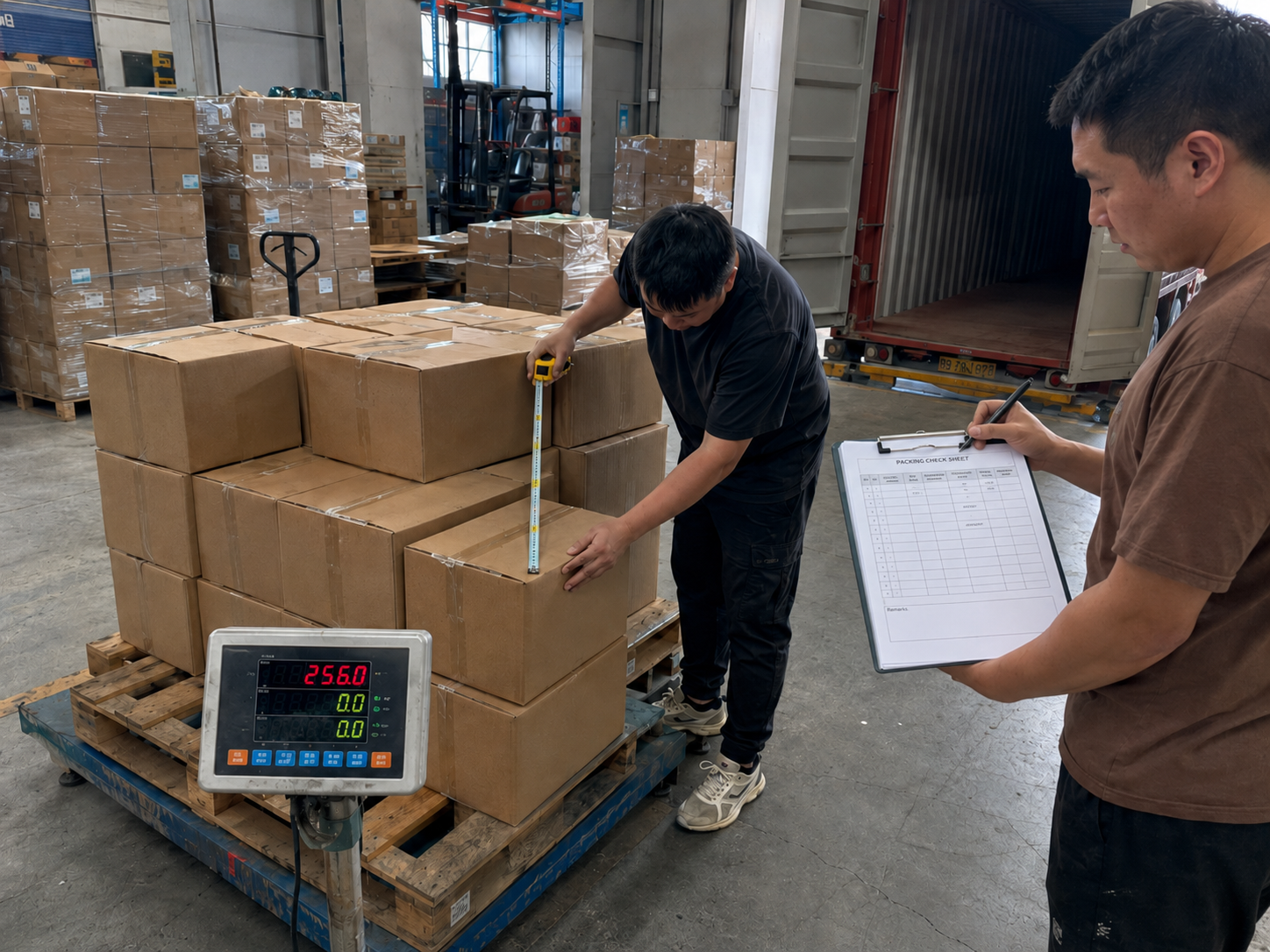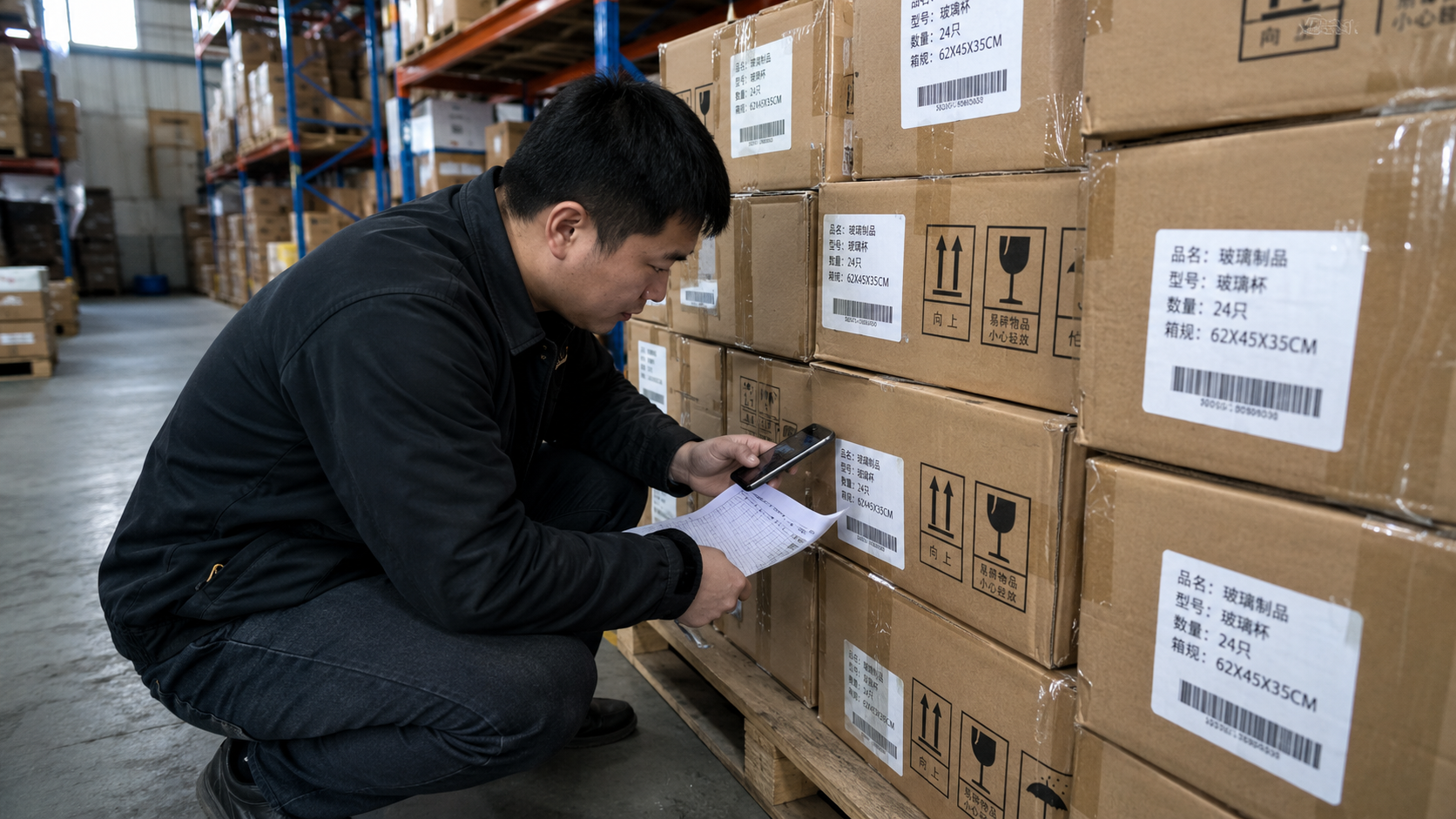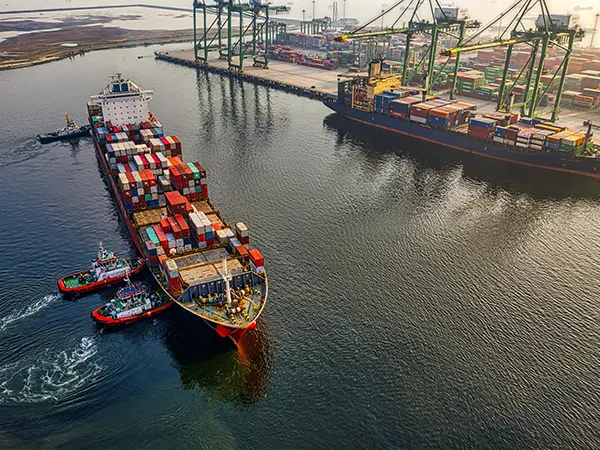
Suppliers ship to our warehouse in China for receiving, short-term storage, inspection, and cargo consolidation before international shipping.
If you buy from several suppliers, shipping can become hard to control. One supplier finishes early, another packs the cargo badly, and another sends the wrong labels or incomplete documents. Instead of one clean shipment, you get delays, extra cost, and too many follow-ups.
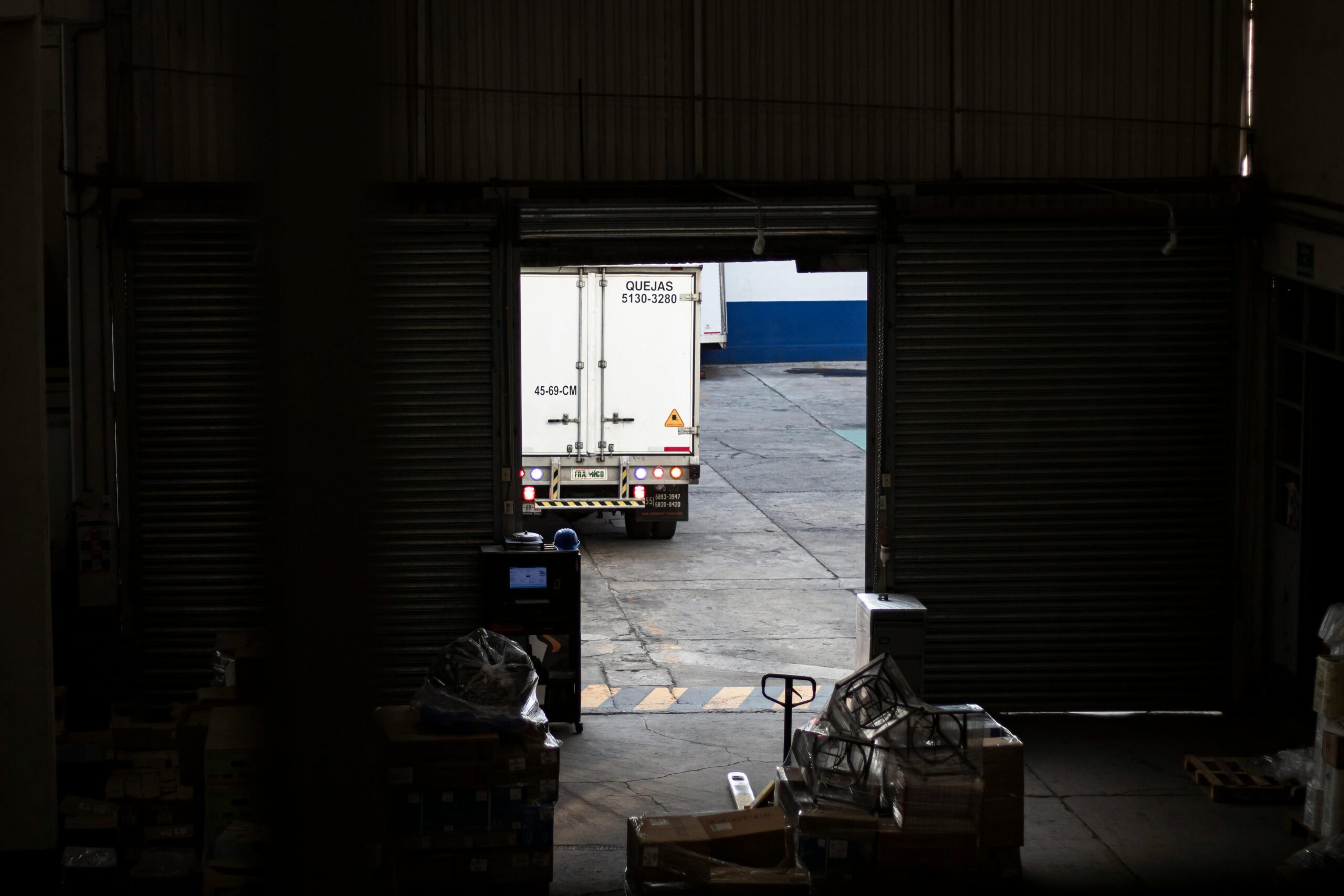
This guide explains how cargo consolidation services work, when to use them, and how our team helps combine cargo from different suppliers into one smoother shipping plan. You will learn what consolidation means, how it can reduce avoidable shipping costs, and why it is especially useful for buyers shipping from China to Africa. As noted in the UNCTAD Review of Maritime Transport , ocean shipping remains central to global trade, which makes better shipment planning more important for importers.
What Is Cargo Consolidation in International Shipping?
Cargo consolidation means combining goods from different suppliers or several small orders into one larger shipment. This is useful when one buyer sources products from multiple factories but wants one shipping plan instead of several separate shipments. According to the DHL guide to consolidated shipping , consolidation helps businesses use freight space more efficiently and reduce repeated customs paperwork.
In simple terms, cargo consolidation helps buyers:
collect cargo from different suppliers
check cargo before shipment
reduce repeated handling
improve shipment control
move cargo under one clearer plan
Cargo consolidation is often linked with LCL shipping, but they are not the same. LCL means your goods share container space with other shipments. Consolidation is the process of collecting and combining goods before export. In buyer’s consolidation, products from different suppliers are grouped under one buyer’s shipment plan. Flexport’s buyer’s consolidation overview explains how this approach can help improve space use and simplify shipment planning.
How Our Consolidation Service Works
A good consolidation service starts long before booking. It begins with supplier coordination, cargo checks, and document control.
1. Supplier Coordination and Cargo Collection
First, we collect the key details from each supplier. This usually includes product description, carton count, dimensions, gross weight, ready date, and pickup address. Suppliers can send the cargo to our warehouse, or pickup can be arranged. This early step matters because one wrong packing list or one late supplier can affect the full shipment.
2. Warehouse Receiving, Checking, and Labeling
When cargo arrives, we check the carton count, outer packaging condition, and shipping marks. If labels do not match,cartons are damaged, or quantities are different, we can flag the issue early.
This gives buyers more control before the cargo leaves China. It also helps reduce avoidable problems during export and destination handling.
3. Repacking, Palletizing, or Carton Improvement
If needed, we can arrange simple handling services such as relabeling, repacking weak cartons, combining smaller packages, or palletizing cargo for safer movement. This is especially useful when goods come from different suppliers with different packing standards.
4. Shipment Planning and Consolidation
Once the cargo is ready, we combine it into one shipping plan based on volume, timeline, destination, and shipping terms. Depending on the case, this can be arranged as LCL, FCL, air freight, or door-to-door delivery.
5. Document Support and Shipping Follow-Up
After consolidation, the shipment moves forward with the required shipping documents and booking process. This may include invoice and packing list review, booking coordination, and customs support where needed.
The ICC Incoterms® rules are the global standard for defining delivery responsibilities, costs, and risks in international trade, so it is important that your logistics partner understands how shipping terms affect the full process.
The Main Benefits of Using a Consolidation Service
Lower Total Shipping Cost
Shipping separately from each supplier often means repeated pickup, repeated handling, repeated paperwork, and poor use of freight space. Consolidation can reduce these inefficiencies. It may not be the cheapest choice in every single case, but for many buyers with several suppliers, it creates a more cost-effective shipping plan. The DHL consolidated shipping guide also highlights how consolidation can improve space use and simplify shipping operations.
Fewer Shipments to Manage
One coordinated shipment is easier to control than four or five separate ones. Your team spends less time chasing suppliers and more time managing one clear plan.
Better Visibility Before Export
A consolidation warehouse gives you a checkpoint before shipment. You can catch missing labels, weak cartons, incorrect counts, or delayed cargo before these problems become bigger.
Better Delivery Planning
When cargo is grouped under one shipment plan, it is easier to align documents, shipping mode, and final delivery timing. That matters even more when freight markets are unstable, as explained in the UNCTAD maritime transport review.
When Consolidation Service Is the Best Option
Cargo consolidation is usually a smart choice when:
You Buy from Several Suppliers in China
This is the most common case. You may buy different items from different factories, but you want one export shipment.
Your Cargo Is Too Small for a Full Container
If each supplier only has a small volume, separate shipments can be expensive and hard to manage.
Your Suppliers Finish Production at Different Times
A warehouse-based consolidation plan allows cargo to arrive in stages and ship together when the order set is complete.
You Need Label Checks, Photo Feedback, or Repacking
If you want more control before export, consolidation gives you a useful inspection point.
You Want One Logistics Partner to Manage the Whole Process
This is often the best option for importers with a small team or a busy buying schedule.
What Buyers Should Check Before Choosing a Consolidation Provider
Not every provider offers the same level of service. Before choosing one, check these points:
Warehouse Capability
Can the provider receive cargo from multiple suppliers and keep the shipment organized?
Checking and Reporting
Can they report quantity issues, packing problems, and label mismatches before shipping?
Repacking and Labeling Support
Can they improve packaging if a supplier uses weak cartons or wrong marks?
Shipping Terms Knowledge
A strong provider should understand Incoterms, because shipping terms affect who is responsible for cost, risk, and delivery handover. The ICC’s Incoterms® guidance explains why these rules matter in international trade.
Flexible Shipping Options
Can they arrange sea freight, air freight, or door-to-door service based on urgency and budget?
Destination Coordination
Can they support customs and delivery planning at destination when required?
Why Africa-Bound Shipments Often Need More Than Basic Consolidation
For many Africa-bound shipments, consolidation is not only about cost. It is also about control.
Buyers shipping to Nigeria, Kenya, Ghana, Tanzania, or Uganda often source from multiple Chinese suppliers. In these cases, the biggest problems usually happen before the cargo even leaves origin: late supplier handover, mixed labels, weak cartons, missing marks, or packing lists that do not match the actual cargo.
In our experience, these small origin issues are the ones that create bigger delivery problems later. That is why many importers shipping to Africa need more than a basic warehouse. They need a team that can coordinate suppliers, check cargo, keep documents aligned, and make sure the shipment is clean before export.
The shipping environment described in the UNCTAD Review of Maritime Transport also shows why better planning and better shipment control matter for international buyers.
A Simple Real-World Example
One buyer sourced goods from three suppliers in China for delivery to Africa. Each supplier had a different ready date, and the outer carton quality was not the same. Instead of sending three separate shipments, the cargo was received at one warehouse, carton counts were checked, weak packages were reinforced, and the cargo was combined into one shipment plan.
This did not just reduce handling duplication. It also made communication easier, improved shipment control, and gave the buyer one clearer delivery plan.
How Okaytrans Can Help
At Okaytrans, we offer cargo consolidation services for buyers who source from multiple suppliers and want a simpler shipping process.
Our service can support:
cargo collection from different suppliers
warehouse receiving and quantity checks
basic label and packing inspection
photo feedback and exception reporting
repacking and shipment preparation
sea freight, air freight, and door-to-door planning
support for Africa-bound shipments
Instead of managing many small shipments separately, you can work with one team to organize the cargo into one practical shipping plan.
If you want us to build a consolidation plan, send us your supplier list, cargo details, destination country, and target shipping time.
FAQ About Cargo Consolidation Services
Do you offer consolidation service for cargo from different suppliers?
Yes. We can collect cargo from different suppliers, receive it at the warehouse, check the shipment details, and combine the cargo into one shipping plan.
Is cargo consolidation cheaper than shipping separately?
In many cases, yes. Consolidation can reduce repeated handling, improve space use, and make the shipment easier to manage. Final cost depends on cargo size, shipping mode, destination, and timing.
Can you inspect or repack the cargo before shipping?
Yes. Basic receiving checks, label checks, photo feedback, and repacking support can usually be arranged based on the cargo type and service scope.
Can you handle consolidation for shipments from China to Africa?
Yes. This is a common solution for buyers who source from multiple factories in China and want one coordinated shipment to an African destination.
How long does cargo consolidation take?
Cargo consolidation time depends on supplier readiness, cargo volume, warehouse handling needs, and the shipping method. If all suppliers deliver on time, the process is usually faster and easier to control than arranging several separate shipments.