“What happens if my cargo is damaged or lost during shipping to Africa?”
Damaged or lost cargo during shipping to Africa can lead to unexpected costs, delays, and disputes for importers. Knowing how to document damage, report problems, and prepare a claim can help protect your interests.
This article explains how handover records, packaging, exception reporting, cargo claims, and insurance can help manage shipping risks. It also explains how Okaytrans works to reduce risks before problems arise.
In this article
- The handover record: where protection begins
- Packaging: the first line of defense
- Exception reporting: how you find out
- What to Do if Damaged or Lost Cargo Arrives
- The claims process, step by step
- Cargo insurance: what it covers and what it does not
- How we reduce risk before it happens
- Frequently asked questions
- The bottom line
The handover record: where protection begins
Most damage and loss disputes are not about the damage itself. They are about who can prove what, when it happened, and whether anyone noticed.
A proper handover record answers three questions at each stage of the journey:
- What was loaded? The packing list and container loading record document the items, quantities, and condition of goods at origin.
- When did custody change? Each party that touches the cargo — warehouse, trucker, terminal, carrier — should hand it over with a signed or recorded confirmation.
- What did the cargo look like at handover? Photos of loading, sealed containers, and clean truck beds are simple, cheap, and decisive if a claim ever happens.
What we record at origin
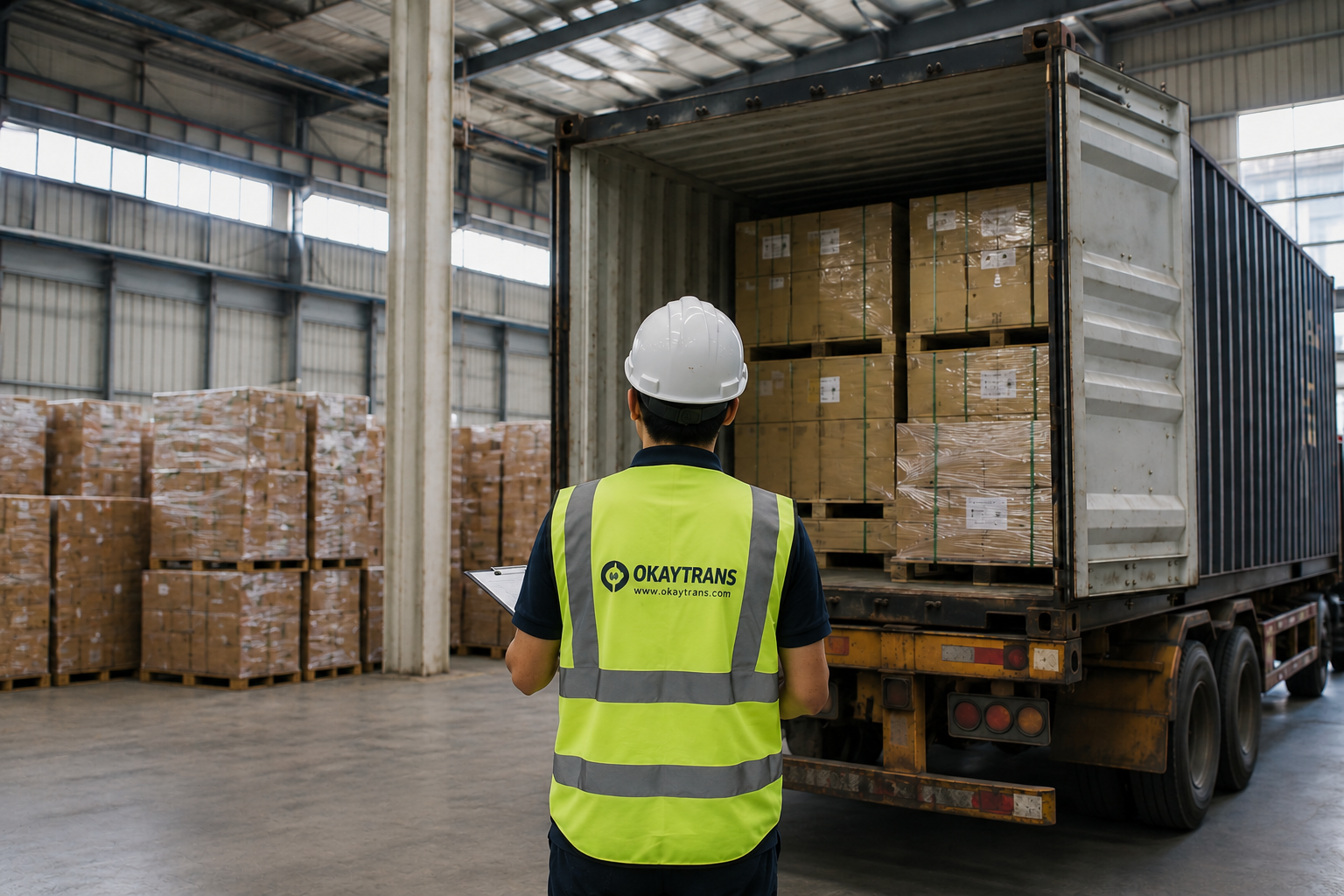
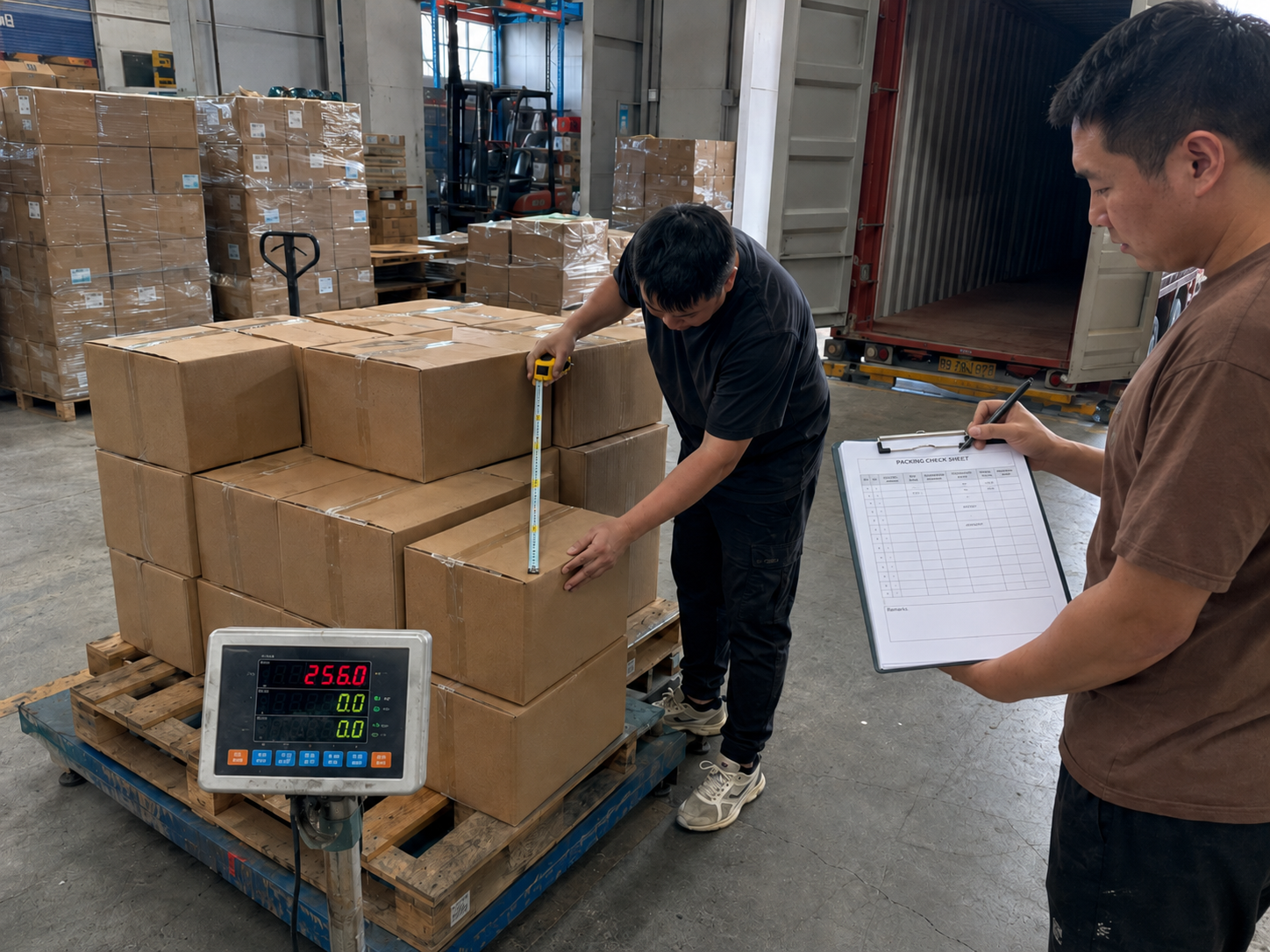
At our warehouse in Guangzhou, each shipment goes through the same routine:
- Goods arrive and are checked against the supplier list — item by item, quantity by quantity.
- Discrepancies are flagged and confirmed with the customer before loading, not after.
- The container is loaded and sealed, with loading photos taken.
- The packing list, container number, seal number, and handover notes are kept on file for the whole journey.
This is not just red tape. A container seal number, for example, is often the first fact a surveyor (the independent inspector who examines cargo and its condition when a claim is made) asks for. If you have it, you can prove the container was not opened between origin and destination. If you do not, you are guessing.
What this means for you
Ask your forwarder for three things in writing: the container and seal numbers, a copy of the loading record, and confirmation of what was handed over to the carrier. A forwarder who cannot produce these three items will struggle to defend your shipment when a claim arises.
Packaging: the first line of defense
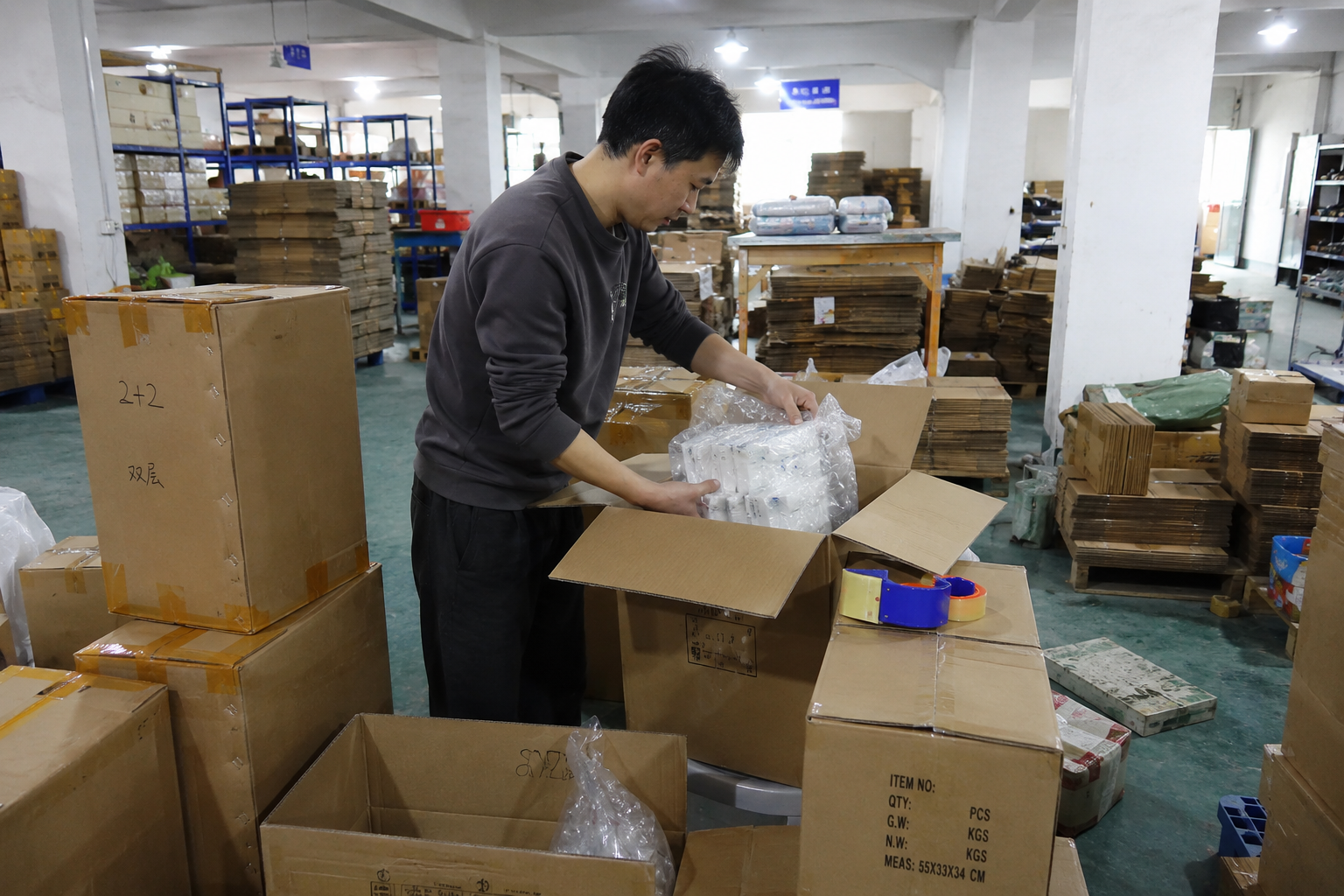
Cargo handling in international shipping is rough. Containers move by truck, crane, vessel, and again by truck. Even a well-packed container shifts during ocean transit. Packaging quality is the single largest factor you control.
Minimum standards that protect most cargo
- Cartons: use double-wall cartons for heavier items; reinforce the base and corners with tape.
- Palletizing: palletize and strap loose cartons; a stable pallet survives handling far better than loose boxes.
- Cushioning: use void fill for empty space inside cartons — movement inside a carton is what causes most internal damage.
- Waterproofing: consider poly bags or moisture barriers for goods sensitive to humidity; containers get condensation, especially on African routes with large temperature swings.
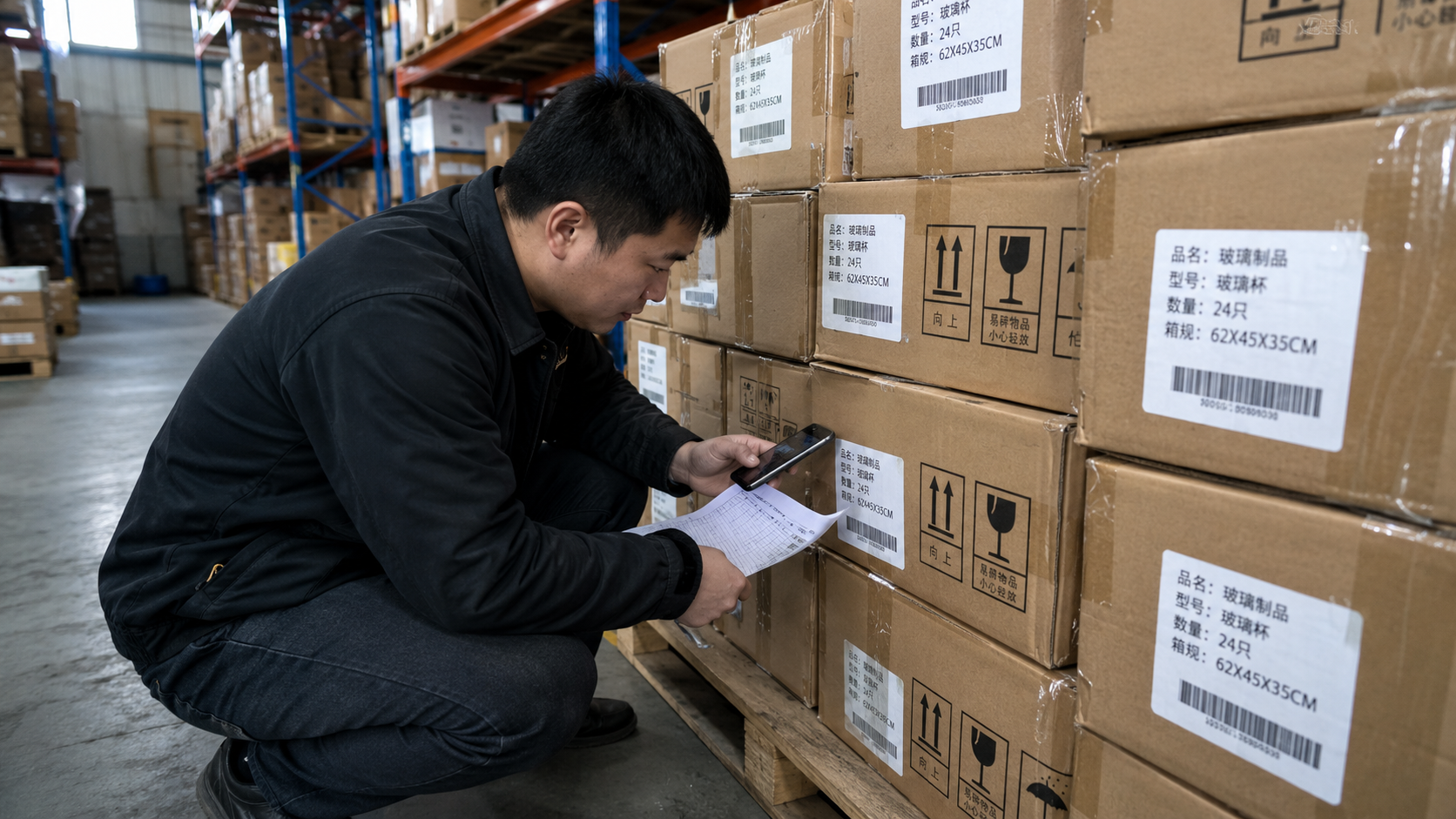
- Labeling: mark fragile items, stacking limits, and handling warnings clearly in both Chinese and English.
Special cargo needs extra care
- Fragile goods: request additional dunnage (loose packing material used to cushion and brace cargo) and clear “handle with care” marking; consider shipping in smaller, reinforced cartons.
- Liquid cargo: leak-proof inner packaging, absorbent material, and upright-only marking.
- Sensitive electronics: anti-static packaging and clear handling instructions.
- Dangerous goods: must be declared, packed, and documented per regulations — this is not optional, and incorrect declarations can delay or stop a shipment entirely.
A fair warning about “cheap packaging”
If the cargo is packed just well enough to pass the eye test, damage is often discovered only at destination. When that happens, packaging becomes part of the dispute. Protect your cargo at origin, or argue about it at destination — the choice is usually that blunt.
Exception reporting: how you find out
Surprises in shipping are the last thing anyone wants. The professional way to handle problems is to tell the customer early, with facts, and with the next step already planned.
What counts as an “exception”
An exception is anything that deviates from the plan:
- A container that could not be loaded because goods were late.
- A delayed sailing due to weather, congestion, or carrier schedule changes.
- A damaged carton discovered during handling.
- A seal or container number that does not match the documents.
- Any discrepancy between the packing list and what actually arrived.
How we report exceptions
The principle is simple: as soon as we know, we tell you. An exception report includes:
- What happened, in plain language.
- When it was discovered and by whom.
- What evidence exists (photos, documents, records).
- What we are doing about it, and the timeline.
- What we need from you, if anything.
Why early reporting matters
A claim becomes harder to prove with each hour that passes. If a damaged carton is found at origin, it can be repaired, repacked, or replaced before sailing. If it is found at destination, the evidence trail and the options are both smaller. Early exception reporting is not just good service — it is risk management.
What to Do if Damaged or Lost Cargo Arrives
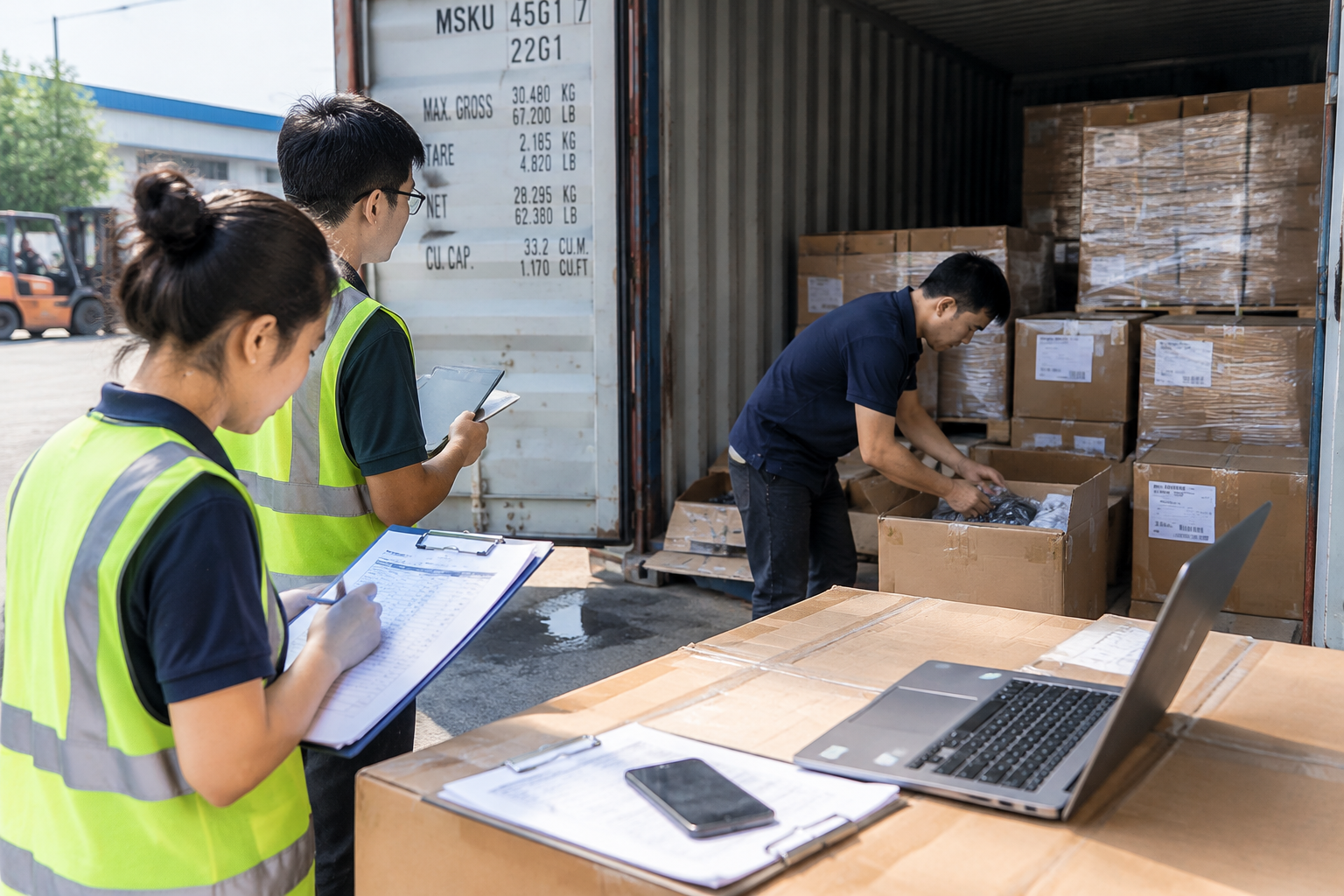
If you receive cargo and something is wrong, do these five things — in this order:
- Photograph everything before moving anything. Take photos of the cartons as they arrived, the damage, the marks, and the surroundings. Photograph the container seal if it is still visible. Photos taken before the cargo is moved are the evidence a surveyor and insurer rely on.
- Note the condition on the delivery document. If the trucker or terminal hands over damaged goods, note the damage on the delivery document at the moment of handover. “Received in damaged condition” written on the spot carries far more weight than a complaint raised later.
- Notify your forwarder, carrier, and insurer as soon as possible. If you discover damage or missing cargo, report it right away, even before you file anything formal. Check the applicable contract and insurance policy for the specific notification and claim deadlines — they may vary.
- Keep the cargo and packaging intact. Do not throw away damaged goods or packaging until the survey and claim process is finished. The carton, the dunnage, and the damaged item are the physical evidence.
- List what you need. Write down: which items are damaged or missing, how many, what the invoice value is, and whether the customer can still use any of it. A clear, documented list is what turns a complaint into a claim.
The claims process, step by step
A cargo claim follows a structure. Understanding it removes most of the anxiety.
Step 1 — Notification and documentation. You notify us (and the insurer, if covered). You provide: the photos, the delivery note, the packing list, the commercial invoice, and the bill of lading (the shipping document that acts as the contract of carriage and receipt for the cargo).
Step 2 — Survey and evidence gathering. Depending on the size of the claim, an independent surveyor may inspect the cargo and its packaging. The survey report establishes what happened and what the damage is worth. For small claims, photos and documents may be enough.
Step 3 — Liability assessment. The question is who is responsible. This is where handover records matter. If the container seal is intact, this can help establish the condition of the shipment during transit. The cause of the damage and the responsible party must be assessed on all available evidence — loading records, packaging condition, inspection reports, and handover documents. If goods went missing between handovers, the party in custody at that point is typically liable — up to the limits in the carrier’s terms.
Step 4 — Settlement. Once liability and value are established, settlement happens through the responsible party or the insurance claim. The time frame depends on the case size and how quickly documents are provided. A straightforward, well-documented small claim is usually resolved far faster than a complex one missing evidence.
Step 5 — Recovery and prevention. After settlement, we review what went wrong and how to stop it recurring — different packing, different routing, better marking, or more insurance cover.
Cargo insurance: what it covers and what it does not
A common misunderstanding: “My freight forwarder will cover my cargo if anything happens.” In most cases, this is not true. The carrier’s liability is limited by law and by contract — often to a fraction of the cargo’s actual value. Cargo insurance is separate, and it may provide broader financial protection — subject to the policy’s insured value, coverage terms, exclusions, deductible, and claim assessment.
The main types
- Marine cargo insurance (basic cover): protects against specific, named risks — commonly total loss of the vessel or cargo, fire, and some other named perils. It is narrow.
- Marine cargo insurance (all-risks cover): covers physical loss or damage from any external cause, except for exclusions written into the policy — such as inherent vice (goods that spoil on their own), delay, and improper packing in some cases. “All risks” in insurance is a defined term, not a promise that nothing is excluded.
- War and strikes cover: for routes where conflict or strikes are a real risk, this is often purchased as an extension.
What to check in a policy
- The insured value: should cover the invoice value plus freight and a margin, not just the cost of the goods.
- The exclusions: each policy has them. Read what is not covered.
- The claims procedure: who to notify, within how long, and what documents are needed.
- The deductible: the amount you bear before the policy pays.
Our advice
For container shipments to Africa, cargo insurance is strongly recommended — the ocean leg is only part of the journey, and the risk is not limited to the water. Ask us for the options at booking time; we will show you what each covers and let you decide. We do not bundle insurance silently into your freight — it is your choice, made with clear information.
How we reduce risk before it happens
Prevention is cheaper than claims, and it is the part we control most directly.
At the warehouse
Each shipment is checked against the supplier list before loading — discrepancies are raised with the customer first. Loading is done carefully, with attention to weight distribution, stacking limits, and dunnage. We keep loading photos and records for each container.
In the process
Our operating process for a China–Africa shipment is documented end to end — from booking to delivery coordination — so exceptions are caught at defined checkpoints rather than discovered by accident. We refuse cargo we cannot handle properly: goods we are not sure about, or cases we cannot deliver on. It costs us some business and protects our other shipments. We flag conditions in advance: congestion, schedule changes, and cost factors that might move are told to you before they land on your bill.
In how we communicate
A dedicated contact coordinates your shipment and keeps you informed throughout the process. You hear about problems from us — early, with facts, and with a plan — not from your customer asking why the goods are late.
Frequently asked questions
Q: Am I automatically covered by the carrier’s liability if my cargo is damaged?
A: Usually only up to a limited amount set by law and the carrier’s terms — often far below your cargo’s actual value. Full protection normally requires separate cargo insurance.
Q: How long do I have to report damage?
A: Notification and claim deadlines vary by transport mode, contract, applicable law, and insurance policy. Report any damage or missing cargo to your forwarder, carrier, and insurer as soon as possible, and check the applicable contract and policy for the specific deadlines.
Q: What documents do I need for a claim?
A: The bill of lading, the packing list, the commercial invoice, photos of the damage taken before moving anything, and the delivery note showing condition at handover. A survey report if the case requires one.
Q: Does “all-risks” insurance cover everything?
A: No. “All risks” is a defined insurance term covering physical loss or damage from external causes, subject to the exclusions written into the policy — such as inherent vice, delay, and in some cases improper packing. Read the policy, not just the name.
Q: What if my cargo arrives late but undamaged?
A: Late arrival alone is not usually covered by marine cargo insurance unless a specific delay clause is included. Check your sales contract and the carrier’s terms for how delay is treated.
Q: Do you offer cargo insurance?
A: Yes — we present the options at booking time with clear explanations of what each insurance option covers. Insurance is your decision, made with full information. We do not bury it in the freight rate without telling you.
The bottom line
Damaged or lost cargo is not a question of “if” — on long international lanes, it is a question of “when and how well it is handled.”
Five key factors influence the outcome:
- Records — handover records, seals, and photos decide who can prove what.
- Packaging — the largest risk factor you actually control.
- Reporting — early, factual exception reporting keeps options open.
- Process — a clear claims process turns panic into paperwork, and paperwork into settlement.
- Insurance — separate cargo insurance may provide broader financial protection, subject to the policy’s terms.
A forwarder who explains this to you before you book — instead of discovering it with you at destination — is treating your shipment the way you would treat it.
About Okaytrans (Wanheng International Logistics)
We are Okaytrans (Wanheng International Logistics), based in Guangzhou, China, with 14 years of experience serving China–Africa shipping routes. We operate our own consolidation warehouse (a shared facility where cargo from several suppliers is gathered and loaded into containers), keep loading records for each container, and provide clear, itemized quotations in a single document. We refuse cargo we cannot handle reliably, and we flag conditions in advance.
Get in touch
Choose the option that fits your needs:
- Ask about insurance options: tell us your cargo and destination and we will explain what each insurance option covers.
- Discuss a shipment: send your cargo details (origin, destination, commodity, weight/volume, container type, expected shipping date) for an itemized quote.
- Share a claim question: already dealing with damaged or missing cargo? Send us the details and we will outline your options.
[Contact Form]
Notes on accuracy
This article describes standard industry practice for handover records, exception reporting, claims, and cargo insurance. Specific terms, notification windows, and liability limits depend on the carrier’s contract, the insurer’s policy, and the applicable law at the time. Notification and claim deadlines vary by transport mode, contract, applicable law, and insurance policy; the applicable contract and policy define the binding figures. No freight rates or insurance premiums are quoted here; rates change weekly and premiums depend on cargo, route, and cover selected. Shipment scenarios described are general illustrations of industry practice, not accounts of specific client cases.
Disclaimer
This article is for general informational purposes only. It is not a quotation, a contract, insurance advice, or legal advice. Carrier liability, insurance coverage, and claims procedures are governed by the relevant contract, policy, and law. Verify the terms that apply to your shipment with your forwarder, insurer, or legal advisor in writing before relying on them. Each shipment differs, and the applicable scope depends on the actual cargo, destination, and conditions at the time of booking.
© 2026 Okaytrans / Wanheng International Logistics, Guangzhou, China.