When customers ask,“How do you ensure my cargo is not damaged during loading?”, they are asking a very important question. Loading is not just putting goods into a container. It is one of the mostcritical steps in international shipping.
In this article, you will learn how toprevent cargo damage during loading, what checks should be done before goods enter the container, how cargo should be stacked and secured, and howOkaytrans helps protect shipments from China to Africa with loading supervision, photo records, and practical cargohandling support.
Cargo damage can happen for many reasons. It may come from weak packaging, rough forklift handling,poor stacking, empty space inside the container, or lack of lashing. The IMO/ILO/UNECE CTU Code provides practical guidance for packing and securing cargo transport units across sea and land transport. This shows how important correct loading is in the full supply chain.
Why Cargo Damage Often Starts During Loading
Many people think cargo damage happens only during sea transport or customs handling. In fact, a lot of risk startsbefore the container door is closed.
If cartons are crushed during loading, if machines are not fixed well, or if fragile items are placed under heavy goods, the cargo may already be at risk before the vessel departs.
That is why Okaytrans treats loading as a control point, not a simple warehouse job. Our goal is not to say “damage will never happen.” No logistics company should promise that. Instead, our goal is to reduce preventable risks through a clear and careful process.
The IMO Cargo Securing and Packing guidance explains why proper cargo stowage and securing are important for transport safety. It also shows that poor cargo securing can create serious risks during loading, discharge, and transport.
What Can Cause Cargo Damage During Loading?
To prevent cargo damage during loading, we first need to know where the risk comes from.
Rough Forklift or Manual Handling
Forklift damage is common when goods are moved too fast or handled without care. Forks can hit cartons, pallets, wooden cases, or machine parts. Manual handling can also damage goods when workers drag, drop, or push packages in the wrong way.
For example, cartons of lighting products, electronics, furniture parts, and auto parts can be damaged if they are pushed hard against the container wall.
Poor Stacking Inside the Container
Poor stacking is another major cause of cargo loading damage. Heavy goods should not be placed on weak cartons. Fragile items should not be squeezed between hard or heavy cargo.
A container may look full from the outside, but if the inside stacking is not stable, cargo can move during sea transport or inland trucking.
Weak Packaging or Unstable Pallets
Some cargo is already at risk before loading starts. This can happen when cartons are too thin, pallets are loose, wooden cases are cracked, or stretch film is not strong enough.
For Africa shipments, this matters even more because goods may go through sea freight, port handling, customs clearance, warehouse transfer, and inland delivery.
Lack of Lashing, Blocking, or Space Filling
If cargo is not secured, it can slide, tilt, or fall. Empty space inside the container can make the problem worse.
The TT Club CTU Packing Guidance also highlights that improper packing of cargo transport units can lead to cargo damage, delay, and loss in global supply chains.
No Loading Record
If there are no photos or videos during loading, it is hard to check what happened later. A loading record helps customers see the cargo condition, container condition, stacking method, lashing method, and seal number.
This is why Okaytrans provides loading photos and, when needed, videos for customer review.
Our Pre-Loading Inspection Before Cargo Enters the Container
A safe loading process starts before the first carton enters the container.
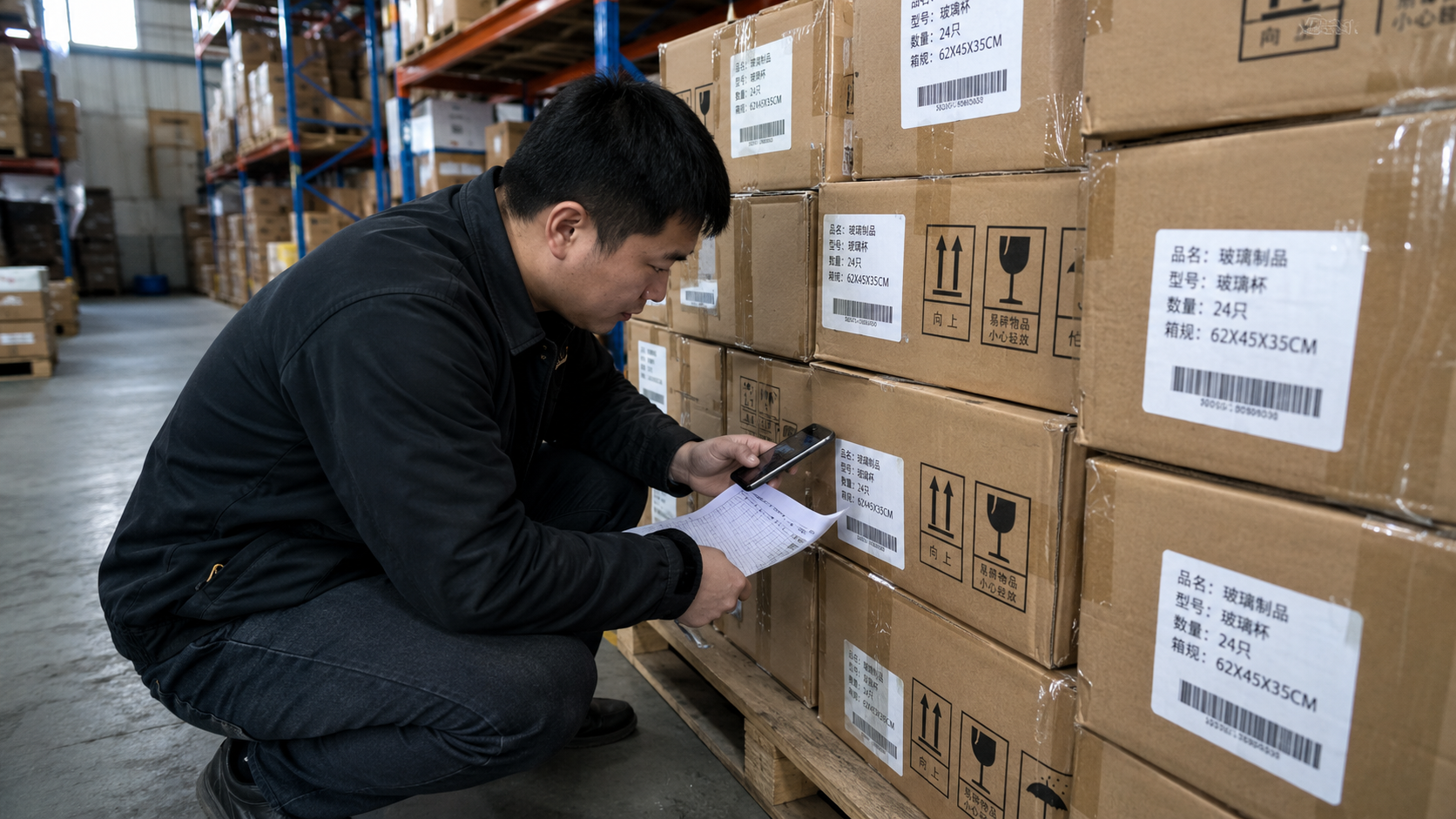
At Okaytrans, we check the cargo condition before loading whenever loading supervision is arranged. This helps us find problems early.
Checking Cartons, Pallets, Wooden Cases, and Labels
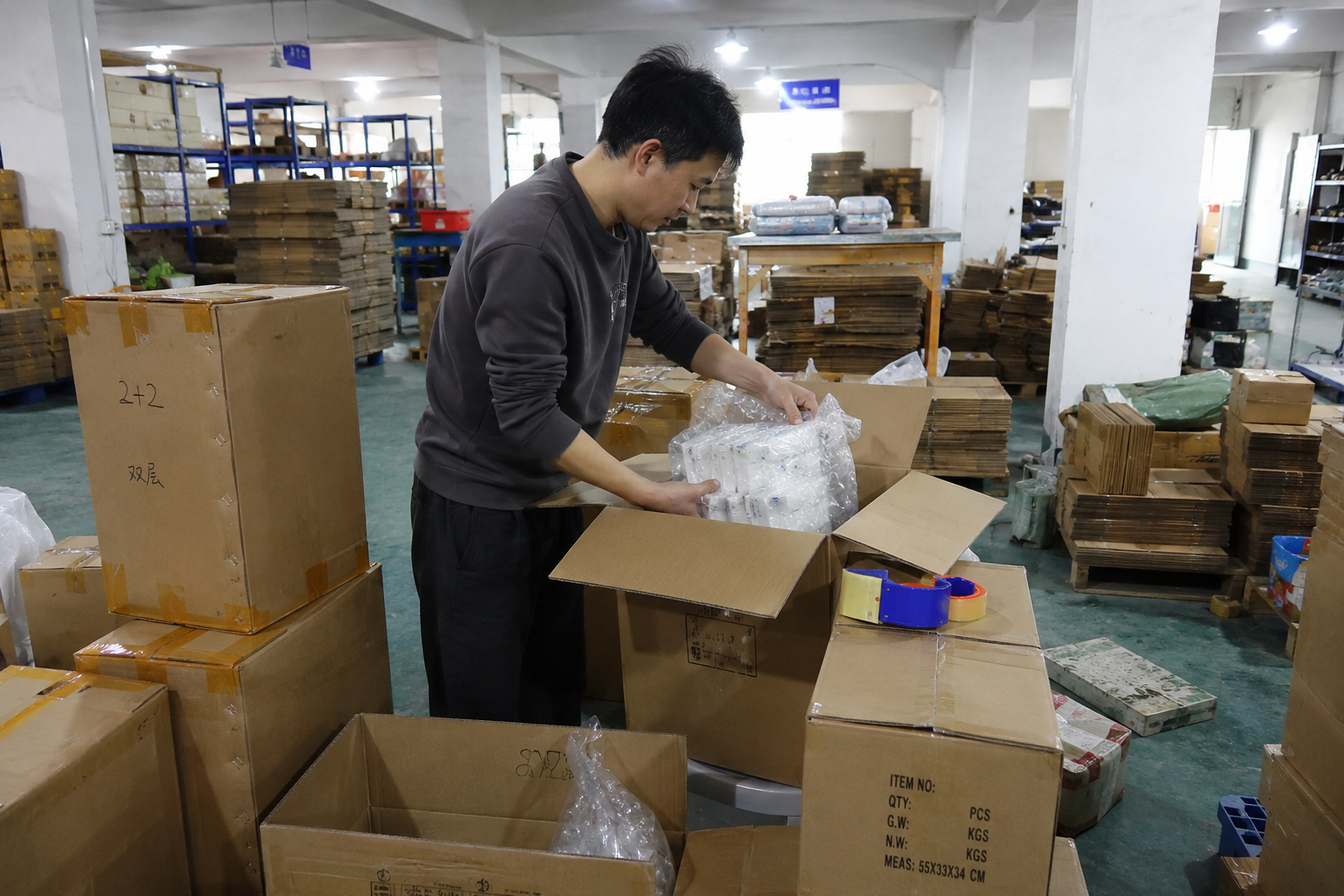
Our team checks whether the outer packaging is suitable for transport. We look for problems such as:
Broken cartons
Wet or soft packaging
Loose pallets
Damaged wooden cases
Missing shipping marks
Wrong labels
Unclear carton numbers
If we find a problem, we take photos and report it before loading continues. This is important because once damaged packaging
enters the container, the risk becomes harder to control.
Confirming Quantity and Loading Plan
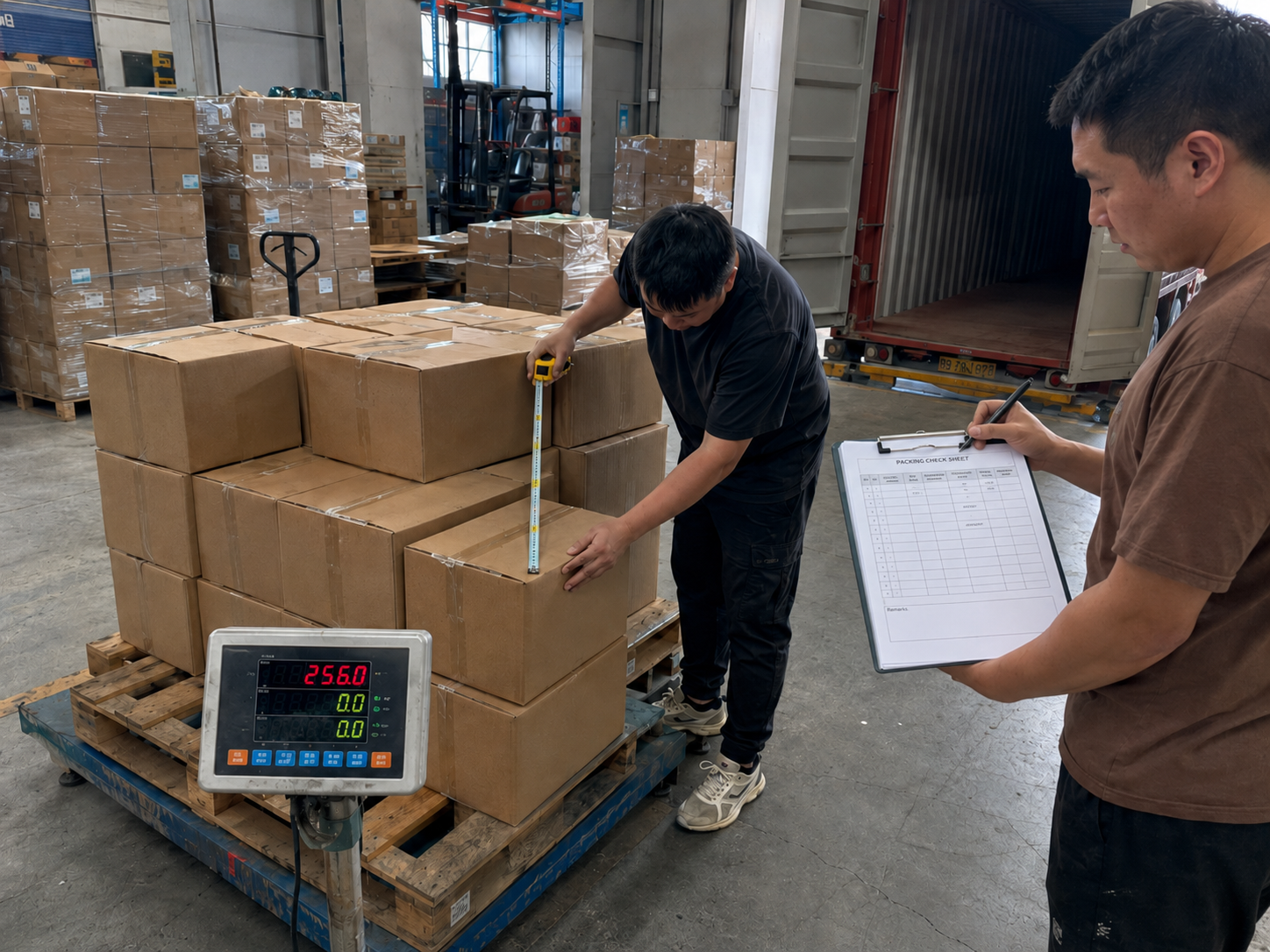
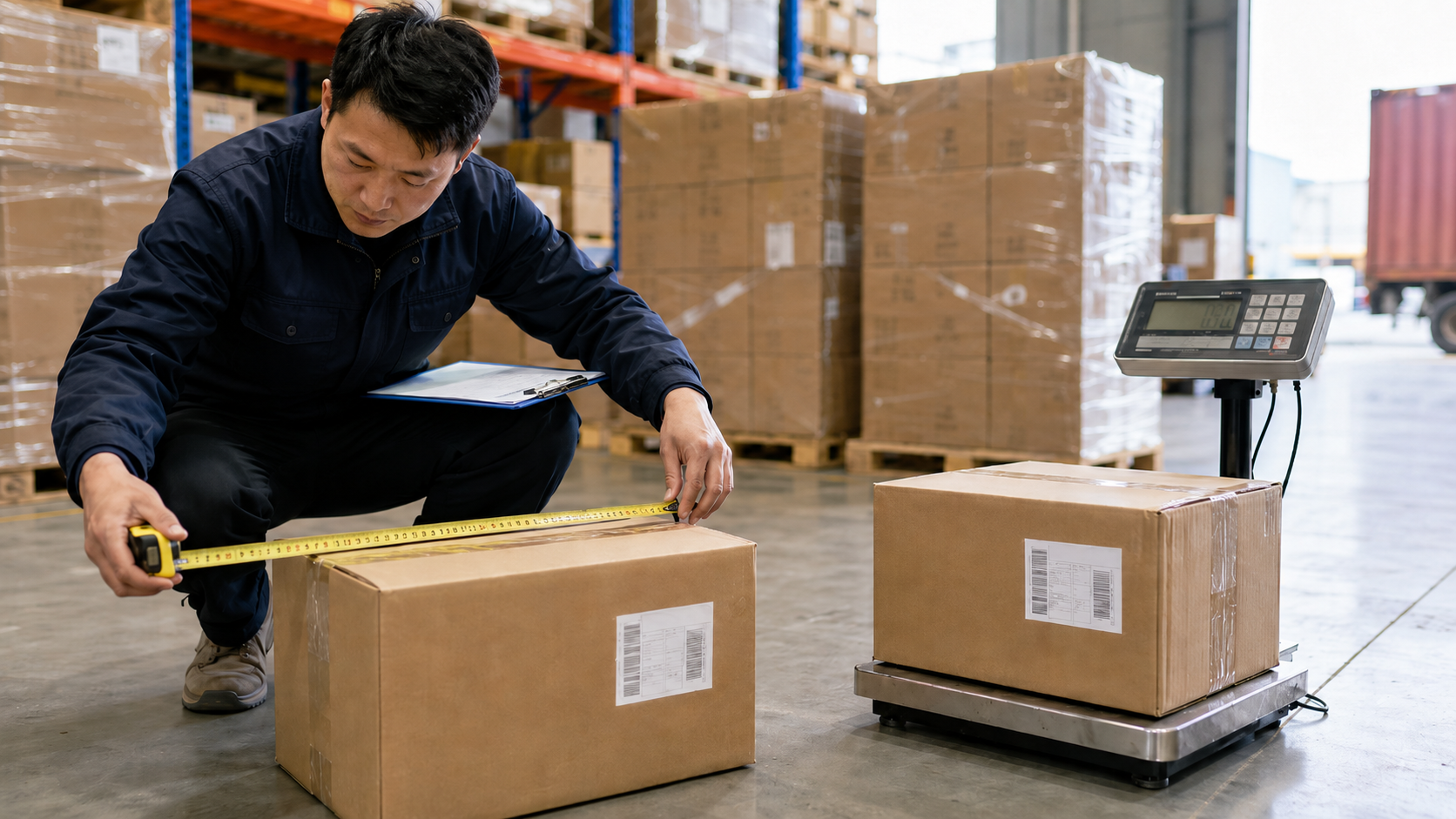
Before loading, we also confirm the cargo quantity, volume, weight, and loading sequence.
For mixed cargo, this step is very important. Many Africa shipments include goods from different suppliers. Without a clear loading plan, workers may load goods in the wrong order.
A proper container loading plan helps protect goods and makes unloading easier at destination.
Identifying Fragile, Heavy, or High-Value Cargo
Some cargo needs special attention. This includes:
Glass products
Lighting products
Furniture
Machinery
Auto parts
Electronics
Tiles and building materials
Display racks
High-value spare parts
For these goods, we check whether extra protection is needed, such as wooden frames, corner protection, foam, anti-slip mats, straps, or airbags.
How We Plan the Loading Sequence to Reduce Damage
Good loading is not about filling the container as fast as possible. It is about placing goods in the right order.
Heavy Cargo at the Bottom, Light Cargo on Top
This is a basic rule, but it is often ignored in rushed loading jobs. Heavy goods should be placed at the bottom.Lighter cartons should be placed on top or in safer areas.
This helps avoid crushed cartons and unstable cargo piles.
Fragile Cargo Away from Pressure Points
Fragile goods should not be placed where they will receive strong pressure. They should also be kept away from heavy cargo, sharp edges, and areas that may move during transport.
For example, glass, lamps, and display racks should be placed in a protected area with clear separation.
Balanced Weight Distribution
Cargo weight should be spread as evenly as possible. If one side of the container is much heavier, cargo may shift more easily during transport.
The UNECE CTU Code page also provides information about the code of practice for packing cargo transport units, including containers used in intermodal transport.
Separating Different Cargo Types
For mixed cargo, we try to separate different cargo types. Machinery, cartons, fragile goods, furniture, and building materials should not be loaded randomly.
This is especially useful for importers who buy from several Chinese suppliers and ship all goods together to Africa.
How We Secure Cargo Inside the Container
Even well-stacked cargo may still move if it is not secured. This is why cargo securing is a key part of our safe cargo loading process.
Using Straps, Ropes, Airbags, and Dunnage
Depending on the cargo type, we may suggest or arrange different securing materials, such as:
Cargo straps
Ropes
Dunnage bags
Wooden blocks
Anti-slip mats
Foam or paper filling
Corner protectors
Stretch film
The right method depends on the cargo weight, shape, packaging, and route.
Filling Empty Space to Stop Cargo Movement
Empty space inside a container can be dangerous. During sea transport or truck delivery, goods may move into that space and hit each other.
To reduce this risk, empty gaps should be filled or blocked. This is especially important for cartons, furniture, machinery, and fragile goods.
Protecting Corners, Edges, and Surfaces
Some products are not easy to repair after damage. Scratches, dents, broken corners, and cracked surfaces can reduce product value.
For furniture, machines, glass products, and metal items, we may suggest edge protectors, foam, wood support, or extra outer packaging.
Special Handling for Machinery and Oversized Cargo
Machinery and large cargo need extra planning. The loading team must consider the center of gravity, lifting points,bottom support, and securing method.
For heavy machinery, poor fixing can lead to cargo movement, container damage, or unloading problems at destination.
On-Site Loading Supervision: What Our Team Checks in Real Time
Many customers are not in China when their goods are loaded. This is a real concern. They want to know whether someone is checking the cargo for them.
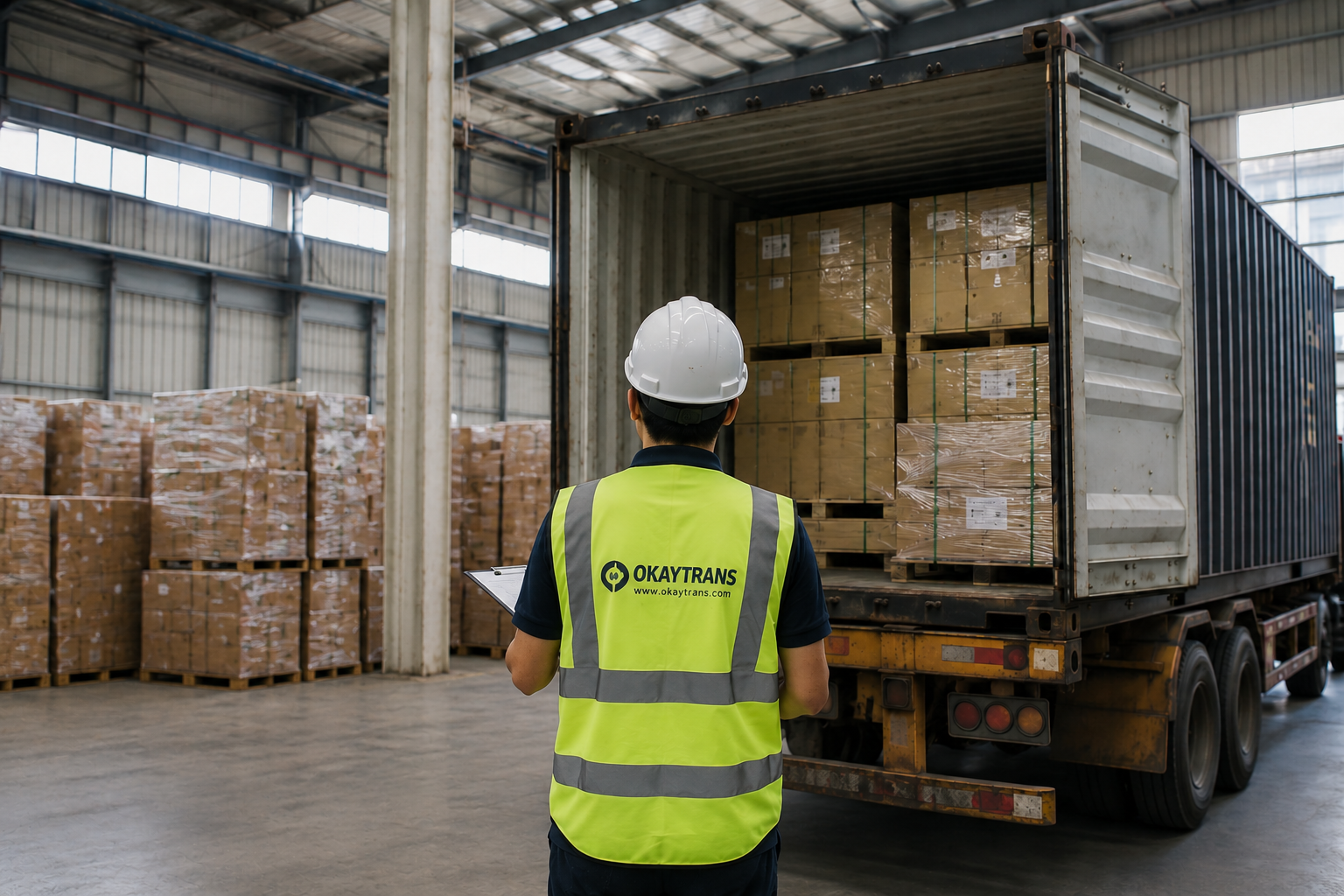
This is where Okaytrans loading supervision helps.
Monitoring Forklift and Manual Handling
Our team watches how the cargo is moved. We check whether workers are using forklifts carefully, whether cartons are being dragged, and whether pallets are stable.
If we see unsafe handling, we can remind the loading team and stop the issue before it becomes serious.
Stopping Unsafe Loading Immediately
If goods are stacked in the wrong way, if packaging is damaged, or if cargo is not stable, we do not just take photos after the problem happens. We report it and help correct it during loading.
This is one of the biggest values of a container loading supervision service.
Taking Photos and Videos During Loading
Okaytrans can provide photos for key loading steps, including:
Empty container condition
Cargo before loading
Packaging condition
Loading process
Stacking method
Cargo securing method
Final view before closing the door
Container seal number
These records help customers check the shipment remotely.
Sending a Loading Report to the Customer
After loading, we can send a loading report with photos and notes. This gives customers a clear view of what happened at the loading site.
It also helps reduce disputes between suppliers, buyers, warehouses, and freight forwarders.
Real Case: How We Stopped a Loading Risk Before Sealing
In one Africa-bound mixed cargo shipment, our loading supervisor found that heavy cartons were being placed on top of fragile display racks.
This created a clear risk. The display racks could be bent or scratched during sea transport. Our team stopped the loading, took photos, informed the customer, and adjusted the loading sequence with the supplier.
The heavy cartons were moved to the lower section. The fragile display racks were separated, protected, and placed in a safer area. Before the container was sealed, we took final photos and shared the loading record with the customer.
This is why loading supervision matters. Many cargo risks can still be corrected before the container door is closed.
How We Handle Problems Found During Loading
Problems can happen. The key question is:does your logistics team know how to handle them?
Okaytrans focuses on early reporting and practical solutions.
If Packaging Is Damaged Before Loading
If we find damaged cartons, wet packaging, broken pallets, or weak wooden cases, we take photos first. Then we inform the customer and supplier.
Depending on the situation, we may suggest repacking, replacing cartons, adding stretch film,using wooden support, or separating risky goods from other cargo.
If Quantity or Labels Are Wrong
For mixed cargo, quantity and label mistakes are common. If the carton number, SKU, or supplier label does not match the loading plan, we pause and confirm before loading continues.
This helps avoid missing goods, wrong shipments, or unloading confusion at destination.
If Cargo Is Too Loose Inside the Container
If cargo is not tight enough, we may suggest extra filling, straps, airbags, wood blocking, or other support.
The goal is simple: reduce movement inside the container.
Practical Decision Support
Okaytrans does not only forward problems to the customer. We also help explain the risk and suggest practical options.
For example, if the cargo is too loose, we may suggest using airbags or filling material. If a wooden case is weak, we may suggest reinforcement before loading. If fragile goods are placed in a bad position, we may ask the loading team to change the order.
Why Loading Supervision Matters More for Africa Shipping
Shipping to Africa can involve more handling steps than a simple port-to-port shipment.
Goods may move from a Chinese factory to a warehouse, then to a port, then by sea to an African port, then through customs, storage, and inland delivery. Each step adds more risk if the cargo was not loaded and secured well at the beginning.
This is why safe cargo loading is especially important for shipments to Nigeria, Ghana, Kenya, Tanzania, South Africa, Uganda, and other
African markets.
For many Africa importers, shipments also include mixed cargo from different suppliers. These goods may have different sizes, weights, packaging strength, and fragility levels. Without proper loading planning, the risk of cargo damage becomes higher.
Okaytrans understands these practical Africa shipping challenges. We help customers check cargo before loading, supervise loading, arrange consolidation, and provide photo records for better control.
Cargo Loading Checklist to Prevent Cargo Damage During Loading
Here is a simple checklist that importers can use before shipping.
Before Loading
Check these points before cargo enters the container:
Is the outer packaging strong enough?
Are cartons dry and not crushed?
Are pallets stable?
Are wooden cases strong and closed well?
Are labels and shipping marks clear?
Is the cargo quantity correct?
Is the loading order confirmed?
Are fragile goods marked clearly?
During Loading
Check these points while loading is happening:
Is forklift handling careful?
Are heavy goods placed at the bottom?
Are light goods protected from pressure?
Are fragile goods separated?
Is the container weight balanced?
Are empty spaces filled?
Are photos taken during loading?
Before Container Sealing
Check these points before closing the container door:
Is cargo stable?
Are straps, airbags, or blocking materials used if needed?
Are there large empty spaces?
Is the final loading photo taken?
Is the container number recorded?
Is the seal number recorded?
Has the customer received the loading report?
The BIC Container Packing Checklist also provides a practical checklist based on the CTU Code. This shows that safe container packing should follow a
clear process, not guesswork.
How Okaytrans Helps Protect Your Cargo
Okaytrans provides logistics services from China to Africa, and cargo protection during loading is part of how we help customers reduce risk.
Loading Supervision in China
We can arrange loading supervision at a supplier’s factory, warehouse, or consolidation point. Our team checks cargo condition, loading order, stacking, securing, and container sealing.
Cargo Consolidation and Repacking
If you buy from several suppliers in China, Okaytrans can help consolidate goods in one warehouse. Before shipping, we can check packaging, sort cargo, repack weak cartons, and prepare a better loading plan.
Photo and Video Loading Report
You do not need to be at the loading site to know what happened. We can send loading photos and videos so you can check the cargo condition and container status remotely.
Africa Shipping Experience
Okaytrans focuses on Africa logistics. We understand that many Africa shipments include mixed cargo, project cargo,machinery, building materials, furniture, auto parts, and commercial goods.
For these shipments, loading quality matters. A better loading process can reduce cargo damage, save communication time, and help your goods arrive in better
condition.
Need help checking and supervising your cargo before shipping to Africa?
Okaytrans can help with pre-loading inspection, container loading supervision, cargo securing advice, and full photo reports.
Conclusion: Preventing Cargo Damage Starts Before the Container Door Closes
To prevent cargo damage during loading, you need more than careful workers. You need a clear process.
That process should include pre-loading inspection,proper loading order, safe stacking, cargo securing, space filling, real-time supervision, and photo records.
For Africa shipments, this is even more important because cargo may go through long sea transit, port handling, customs clearance, and inland delivery.
Okaytrans helps customers reduce cargo loading risk by checking goods before loading, supervising the loading process, recording each key step, and giving practical support when problems appear.
If you are shipping from China to Africa and want safer loading, Okaytrans can help you build a better cargo protection plan before your container is sealed.
FAQ About Preventing Cargo Damage During Loading
1. How do you prevent cargo damage during loading?
We prevent cargo damage during loading by checking packaging, planning the loading order, separating heavy and fragile goods, filling empty spaces, securing cargo with proper materials, and sending photo records to the customer.
2. Can I get photos or videos while my cargo is being loaded?
Yes. Okaytrans can provide photos or videos of the empty container, cargo packaging, loading process, stacking method,securing method, final container view, and seal number.
3. What happens if damaged packaging is found before loading?
We take photos, report the issue to the customer, and suggest a solution. This may include repacking, replacing cartons,adding stretch film, using wooden support, or asking the supplier to fix the packaging before loading.
4. Is loading supervision necessary for shipping to Africa?
Yes, it is highly recommended. Shipping to Africa may include sea freight, port handling, customs clearance, warehouse transfer, and inland delivery. Good loading and securing can reduce the risk of damage during these steps.
5. Can Okaytrans help with fragile or heavy cargo loading?
Yes. Okaytrans can help with fragile cargo, heavy cargo, machinery, furniture, building materials, auto parts, and mixed supplier cargo. We can check the cargo, suggest safer loading methods, supervise the process, and provide loading records.