we can remove empty space, change cartons, consolidate packages, and optimize carton sizes when it is safe and practical to do so. A professional carton repacking service helps importers reduce wasted shipping space, lower CBM, reduce volumetric weight, and control freight costs when shipping from China to Africa.
In this article, you will learn when carton repacking is useful, when it is not recommended, how it helps reduce freight costs, and how Okaytrans handles repacking in a safe and cost-saving way.
Why Empty Space in Cartons Increases Shipping Costs
Many importers think freight cost only depends on actual weight. In real international shipping, this is not always true.
For air freight and express delivery, carriers often compare the actual weight with the volumetric weight. The higher number may become the chargeable weight. According to the IATA guide on air cargo tariffs and rules, air cargo may be charged by actual weight or volumetric weight, depending on which one is higher.
This means a light but bulky carton can cost more than expected. If a supplier uses a large carton for a small product, the empty space inside the carton may increase your shipping cost.
For express shipping, carton size also matters. The DHL volumetric weight guide explains that volumetric weight is based on how much space a shipment takes.
FedEx also provides a dimensional weight calculator to help shippers understand how package dimensions affect chargeable weight.
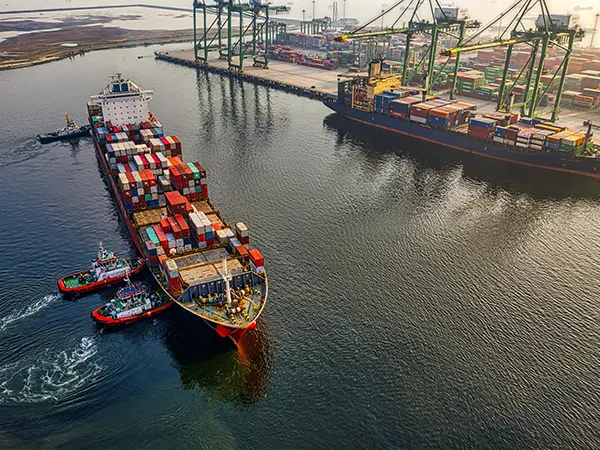
For sea freight and LCL shipping, the issue is similar. Large cartons increase CBM. If your cargo takes more space,the final shipping cost may be higher.
What Is a Carton Repacking Service?
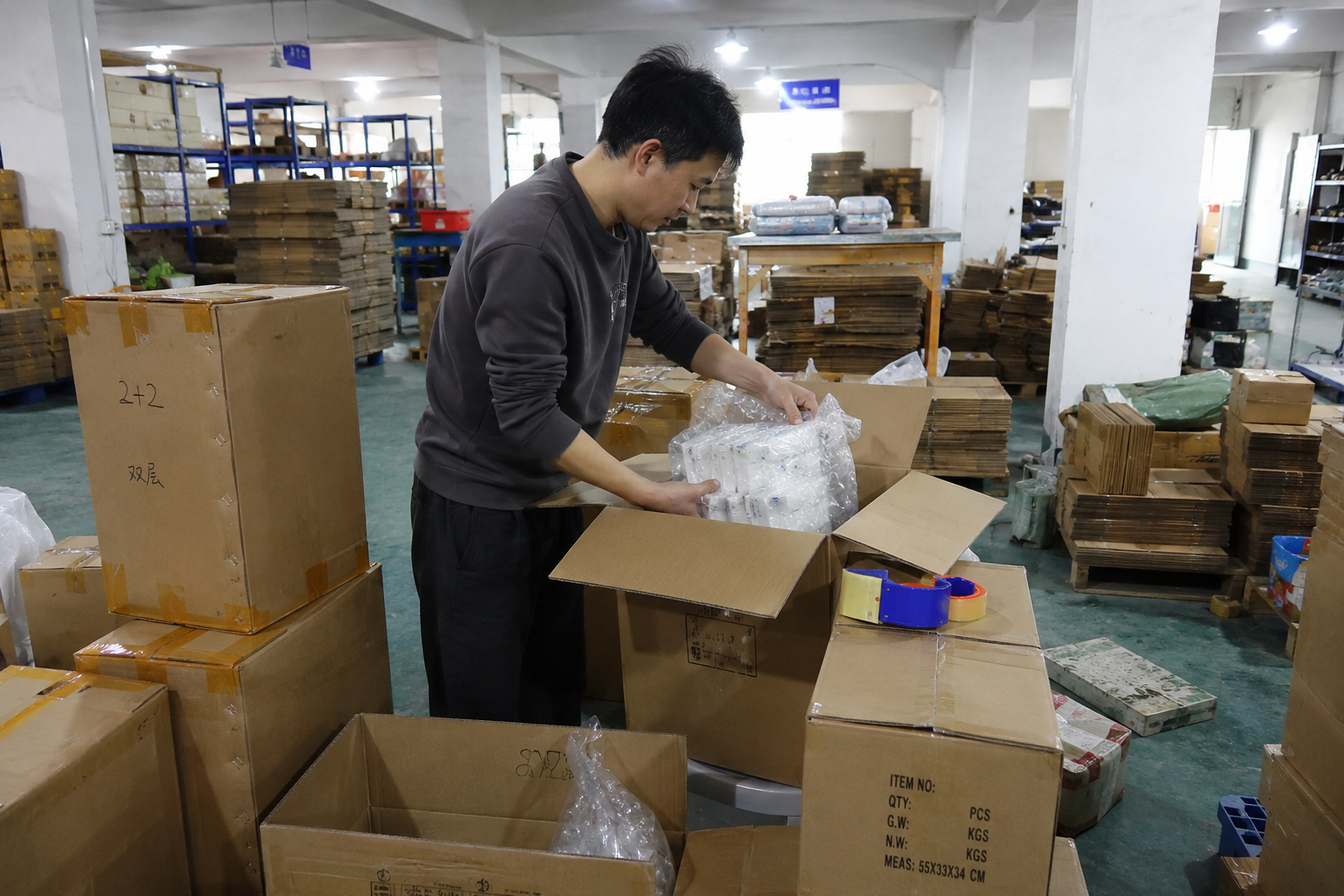
A carton repacking service means checking the original cartons and improving the packaging when needed. The goal is not only to make the cartons smaller. The real goal is to make the cargo safer, easier to handle, and more cost-effective.
A carton repacking service may include:
- Removing unnecessary empty space from cartons
- Changing weak or oversized cartons
- Combining small cartons from different suppliers
- Reinforcing export cartons
- Relabeling cartons
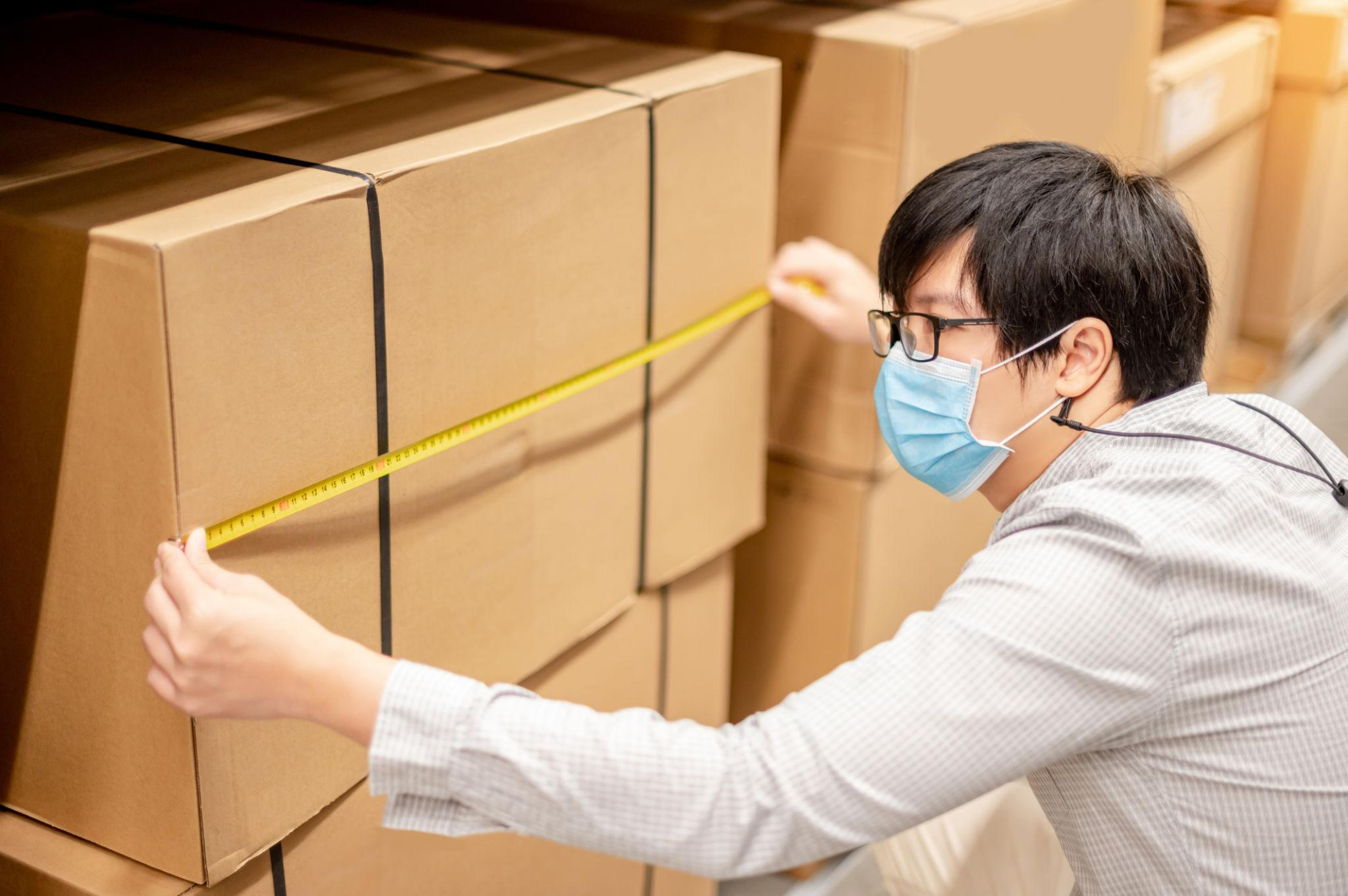
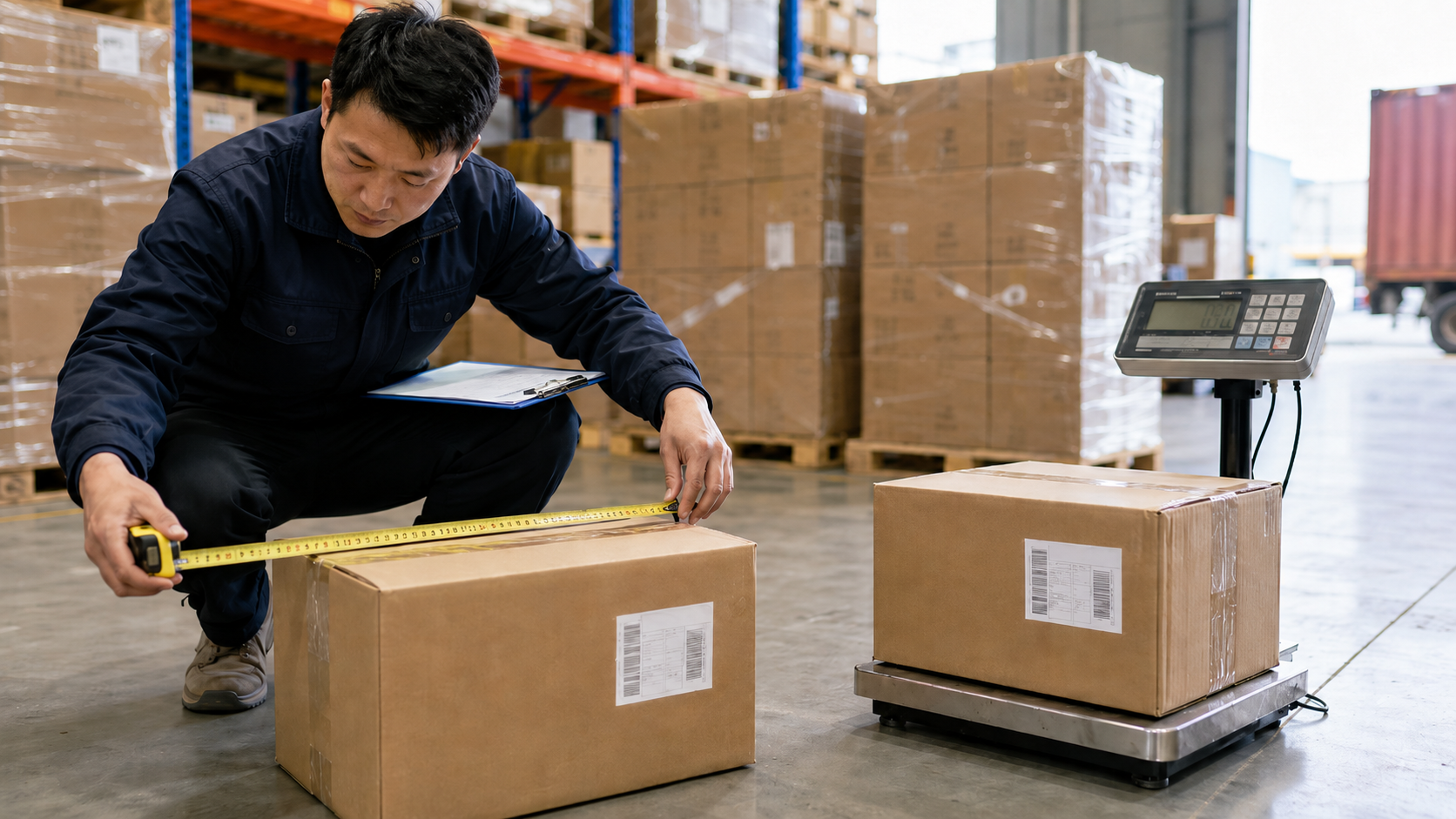
- Measuring the new carton size and weight
- Taking photos before and after repacking
This service is very useful for importers who buy from several suppliers in China. Many suppliers use different carton sizes. Some cartons are too weak for export. Some cartons are half empty. A China freight forwarder can help check these problems before the cargo leaves China.
In our warehouse practice, we do not repack only to make cartons smaller. We first check product safety, carton strength, label requirements, and the final shipping method.
The best carton is not always the smallest carton. The best carton is the one that protects the goods while avoiding unnecessary shipping volume.
When Should You Remove Empty Space or Change Cartons?
Carton optimization is helpful in many China-to-Africa shipments, especially when the cargo is light, bulky, or packed by different suppliers.
When the Carton Is Too Large for the Product
Some suppliers use standard cartons even when the product does not need so much space. This often happens with clothing, shoes, bags, plastic goods, small household items, accessories, and light electronic parts.
If the goods are not fragile, the warehouse can often reduce empty space and use a better carton size.
When the Supplier Uses Weak or Irregular Cartons
Some cartons are only suitable for domestic delivery inside China. They may not be strong enough for international shipping, port handling, warehouse storage, or inland transport in Africa.
In this case, changing cartons is not only about reducing cost. It is also about protecting the cargo.
When Many Suppliers Send Small Packages Separately
If you buy from several suppliers, each supplier may send one or more small cartons. Shipping them separately may waste space and increase handling risk.
A warehouse can consolidate suitable cartons into fewer cartons or pallets. This helps reduce shipping volume and makes the shipment easier to manage.
When Shipping by Air, Express, or LCL
Repacking is often more valuable for air freight, express shipping, and LCL sea freight because these methods are sensitive to volume.
The Maersk guide on air cargo chargeable weight explains how actual weight and volumetric weight affect chargeable weight. This is why reducing unnecessary carton volume can help importers control shipping costs.
When Repacking Is Not Recommended
A good freight forwarder should not repack every shipment blindly. Some goods need their original packaging or extra protection.
Fragile Goods Need Enough Protection
Glass, ceramic items, lighting products, screens, and precision equipment need strong protection. If removing empty space reduces cushioning, the damage risk may increase.
For these goods, we may suggest stronger cartons, foam, bubble wrap, corner protection, wooden crates, or pallets instead of smaller cartons.
Branded Packaging May Need to Stay Original
Some goods have retail packaging, barcodes, SKU labels, batch numbers, or brand information. If the outer carton is part of the sales, inventory, or customs process, changing it may create problems.
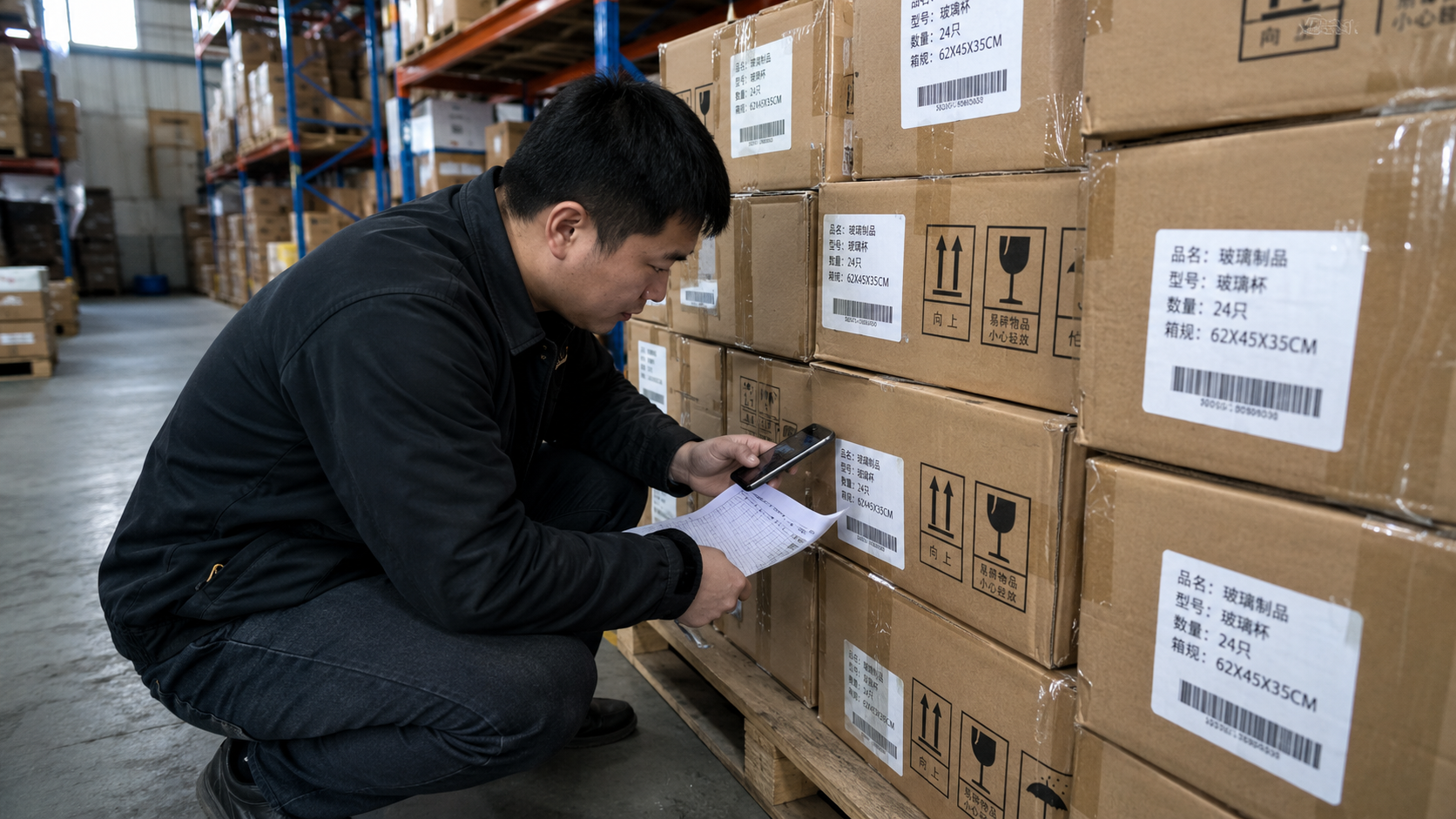
Before repacking, the warehouse should check whether the original labels and carton marks must be kept.
Customs Information Must Stay Clear
For some shipments, carton marks, product names, quantities, or batch details must match the packing list and invoice.If cartons are changed, the updated measurements and carton details should also be updated.
The safest repacking plan is not “make it as small as possible.” It is “make it compact, strong, and clear for customs and delivery.”
How Carton Repacking Helps Reduce Freight Costs to Africa
Carton repacking can reduce freight costs in several practical ways. It is part of packaging optimization for Africa shipping, especially when importers want to control CBM, volumetric weight, and handling risk before the goods leave China.
Lower CBM for Sea Freight and LCL Shipping
For LCL shipping, cargo is usually charged based on volume, weight, or a minimum charge rule. If the cartons are too large, your CBM may increase.
By removing empty space and using better carton sizes, the final CBM may become lower. This can help reduce the freight quote.
Lower Volumetric Weight for Air Freight and Courier
For air freight and express delivery, a large carton can create a high volumetric weight. Even if the actual product is light, the carton size can make the chargeable weight higher.
This is why carton repacking can be useful for lightweight but bulky goods. Smaller and safer cartons may help reduce the final chargeable weight.
Better Loading and Palletizing
When cartons are similar in size and strong enough, the warehouse can stack them more easily. This helps reduce broken cartons and improves loading efficiency.
For Africa shipping, this is important. Cargo may go through port handling, customs inspection, warehouse transfer,and inland delivery. Good packing helps reduce trouble during the whole journey.
Our Carton Repacking Process in China Warehouse
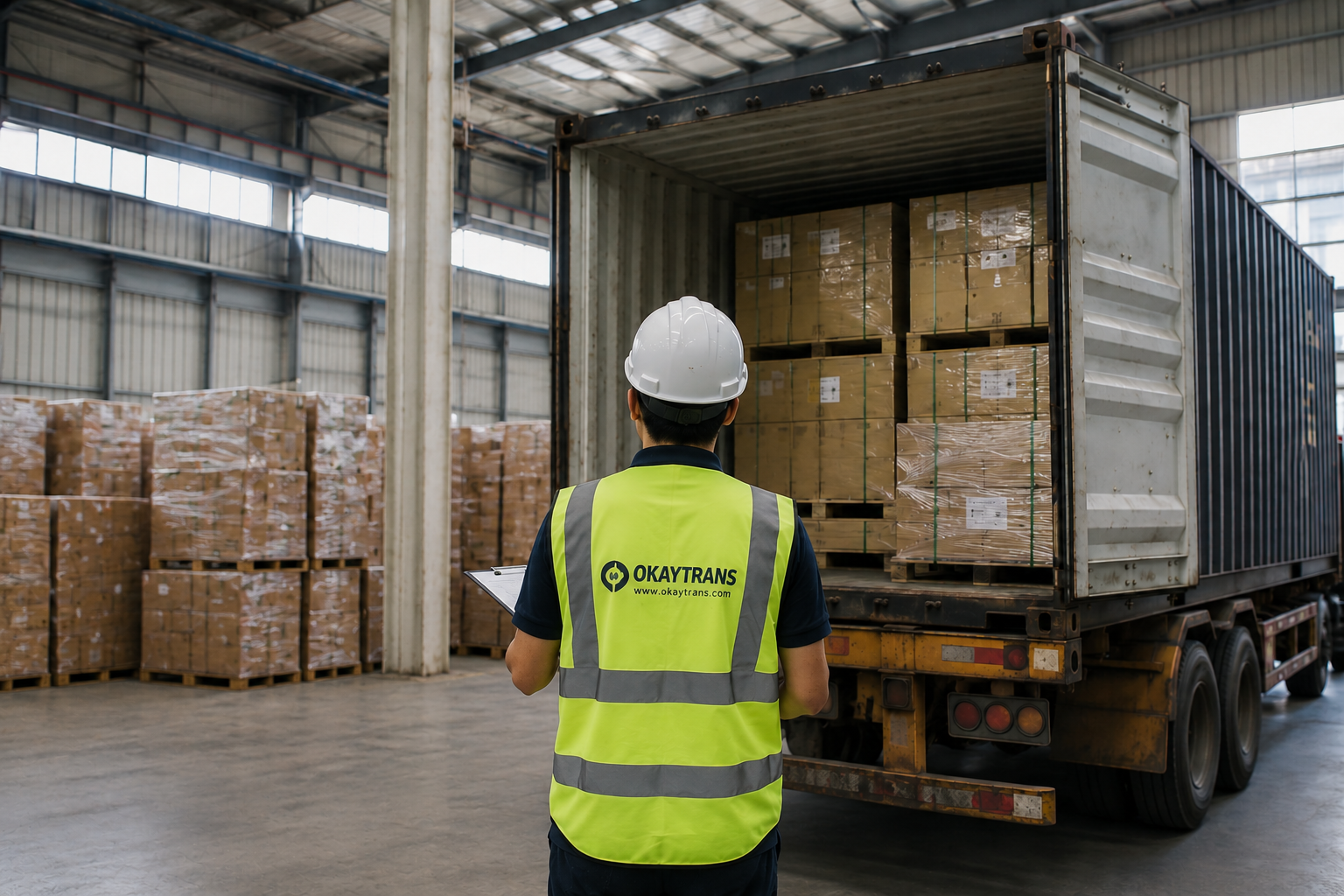
Okaytrans provides carton repacking and consolidation support for customers shipping from China to Africa. Our process is simple, clear, and practical.
Step 1: Receive Goods from Your Suppliers
Your suppliers can send goods to our China warehouse. We can receive cartons from one supplier or from many suppliers.
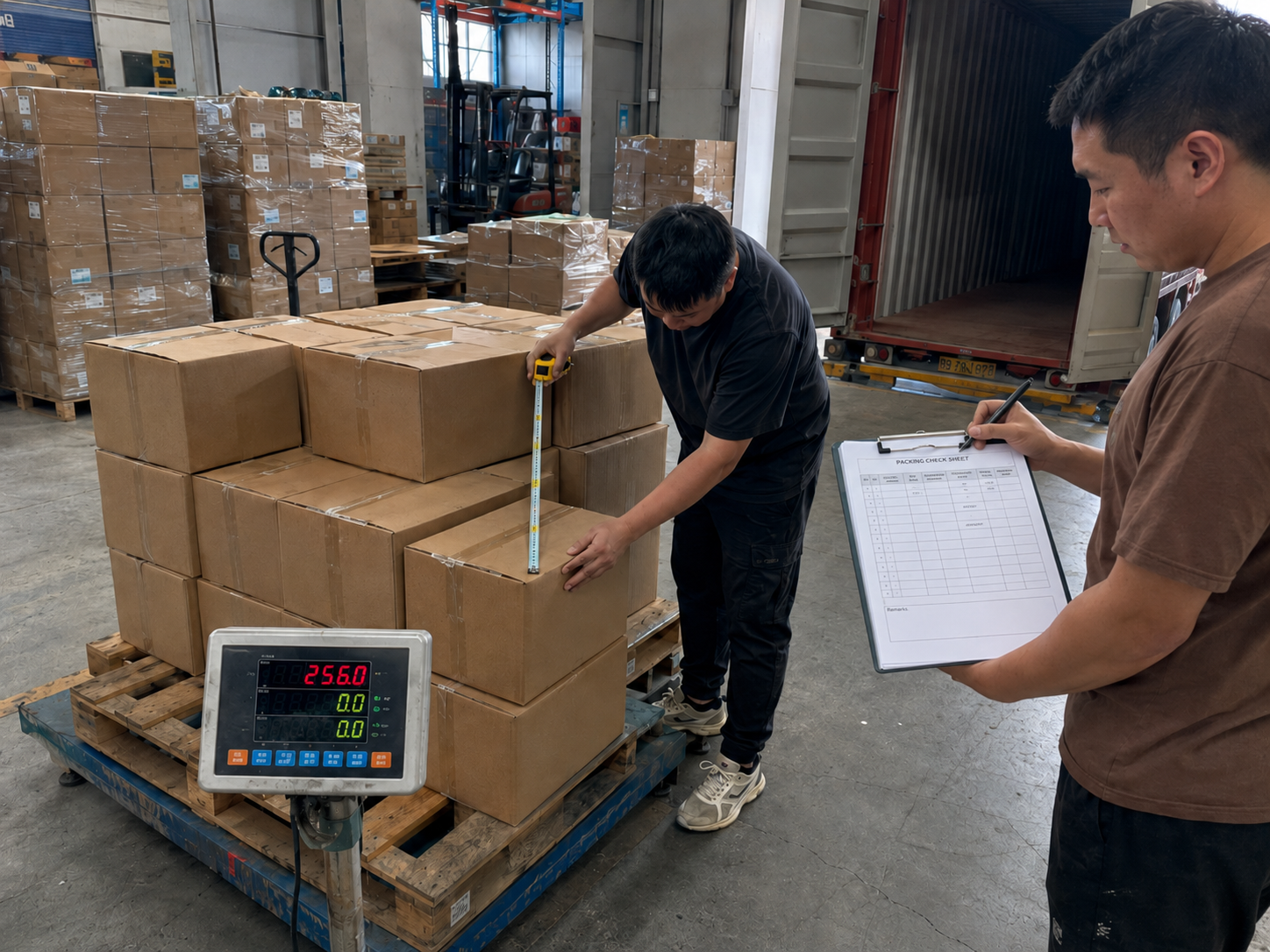
Step 2: Check Carton Condition and Empty Space
Our warehouse team checks whether the cartons are too large, too weak, broken, wet, or unsuitable for export shipping.
When inspection is allowed, we can also check whether there is too much empty space inside the cartons.
Step 3: Confirm Whether Repacking Is Safe
Before changing cartons, we consider the product type, fragility, quantity, carton labels, SKU requirements, customs information, destination country, and shipping method.
If repacking may increase damage risk, we will not suggest it only to save space.
Step 4: Repack, Consolidate, Reinforce, and Relabel
When repacking is suitable, we can change cartons, remove empty space, combine cartons, reinforce packaging, and add shipping marks.
We can also take photos before and after repacking so the customer can clearly see the changes.
Step 5: Measure Again and Update the Shipping Quote
After repacking, we measure the final carton size, gross weight, and CBM. Then we can provide a more accurate freight quote.
What Information Should Importers Provide Before Repacking?
To decide whether repacking is useful, please provide clear shipment details.
You can send:
- Product photos
- Original carton photos
- Packing list
- Carton size and weight
- Product quantity
- Destination country in Africa
- Preferred shipping method
- Fragile or special handling notes
- Label, barcode, or SKU requirements
The more information you provide, the better we can judge whether carton repacking can reduce freight costs safely.
Practical Example: How Repacking Can Reduce Shipping Volume
Here is a common warehouse situation.
An importer buys lightweight consumer goods from several suppliers in Guangzhou and Yiwu. Each supplier sends cartons separately. Some cartons are half empty. Some cartons are too large. Some cartons are weak and not suitable for export.
Before repacking, the shipment has many irregular cartons. The total CBM is higher than expected.
After checking the goods, the warehouse changes some cartons, combines small cartons, keeps enough protection, and applies new carton marks. The final shipment has fewer cartons, better carton size, and clearer measurements.
The result is:
- Lower shipping volume
- More accurate CBM
- Better carton strength
- Easier handling
- Clearer freight quote
- Lower risk during handling and delivery
This kind of packaging optimization is especially helpful for importers who ship light goods from China to Africa.
Why Choose Okaytrans for Carton Repacking and Africa Shipping?
Okaytrans is not only a freight booking agent. We support importers with practical China warehouse services before shipping.
For Africa shipping, packaging matters a lot. Cargo may face long transit time, multiple handling points, port congestion, customs inspection, and inland delivery. A weak or oversized carton can create extra cost and extra risk.
With Okaytrans, you can get:
- China warehouse receiving
- Carton checking
- Carton repacking service
- Cargo consolidation
- Export carton reinforcement
- Photo feedback
- Final size and weight measurement
- China-to-Africa shipping solutions
- Air, sea, LCL, and door-to-door options
We help you balance two goals:reduce freight cost and protect your goods.
Conclusion: Carton Repacking Is a Small Step That Can Save Real Freight Costs
A carton repacking service can help importers remove empty space from cartons, change unsuitable cartons, reduce CBM, reduce volumetric weight,and lower freight costs when shipping from China to Africa.
But repacking should be done carefully. Not every carton should be changed. Fragile goods, branded packaging, SKU labels, and customs requirements must be checked first.
Send Okaytrans your carton photos, packing list, destination country, and shipping method. Our warehouse team can check whether removing empty space, changing cartons, or consolidating packages can help reduce your shipping cost safely.
FAQ About Carton Repacking Service for Africa Shipping
Can you remove empty space from cartons before shipping?
Yes. If the goods are safe to repack, we can remove empty space, change cartons, or consolidate cartons before shipping from China to Africa.
Can carton repacking reduce shipping costs from China to Africa?
Yes, it can. If your shipment is charged by CBM or volumetric weight, smaller and better-sized cartons may help reduce the final chargeable volume or weight.
Is carton repacking safe for fragile goods?
It depends on the product. Fragile goods need enough protection, so repacking should not remove cushioning or increase damage risk.
Can you combine cartons from different suppliers?
Yes. If you buy from several suppliers in China, we can receive the goods in our warehouse and combine suitable cartons to reduce wasted space.
What should I send before asking for repacking?
Please send product photos, carton photos, packing list, carton size, carton weight, destination country, and shipping method. This helps us check whether repacking is safe and useful.