The impact of world-class port clusters on freight forwarders is becoming clearer in China’s 15th Five-Year Plan era. China’s port strategy is becoming a real business issue for freight forwarders. The draft outline for the 15th Five-Year Plan says China will improve its modern transport system and move toward world-class port and airport clusters. For freight forwarders, this is not only a policy update. It can change port selection, inland routing, service design, and customer expectations. In this article, you will learn what world-class port clusters mean, how they may reshape freight forwarding, and what practical steps forwarders should take from 2026 to 2030.
China already has the scale to support this shift. According to official 2024 port statistics from the Ministry of Transport, the country handled 17.6 billion tons of cargo and 330 million TEUs in 2024. Government reporting also says China has formed world-class port clusters in the Bohai Rim, the Yangtze River Delta, and the Guangdong-Hong Kong-Macao Greater Bay Area.
What “World-Class Port Clusters” Really Mean
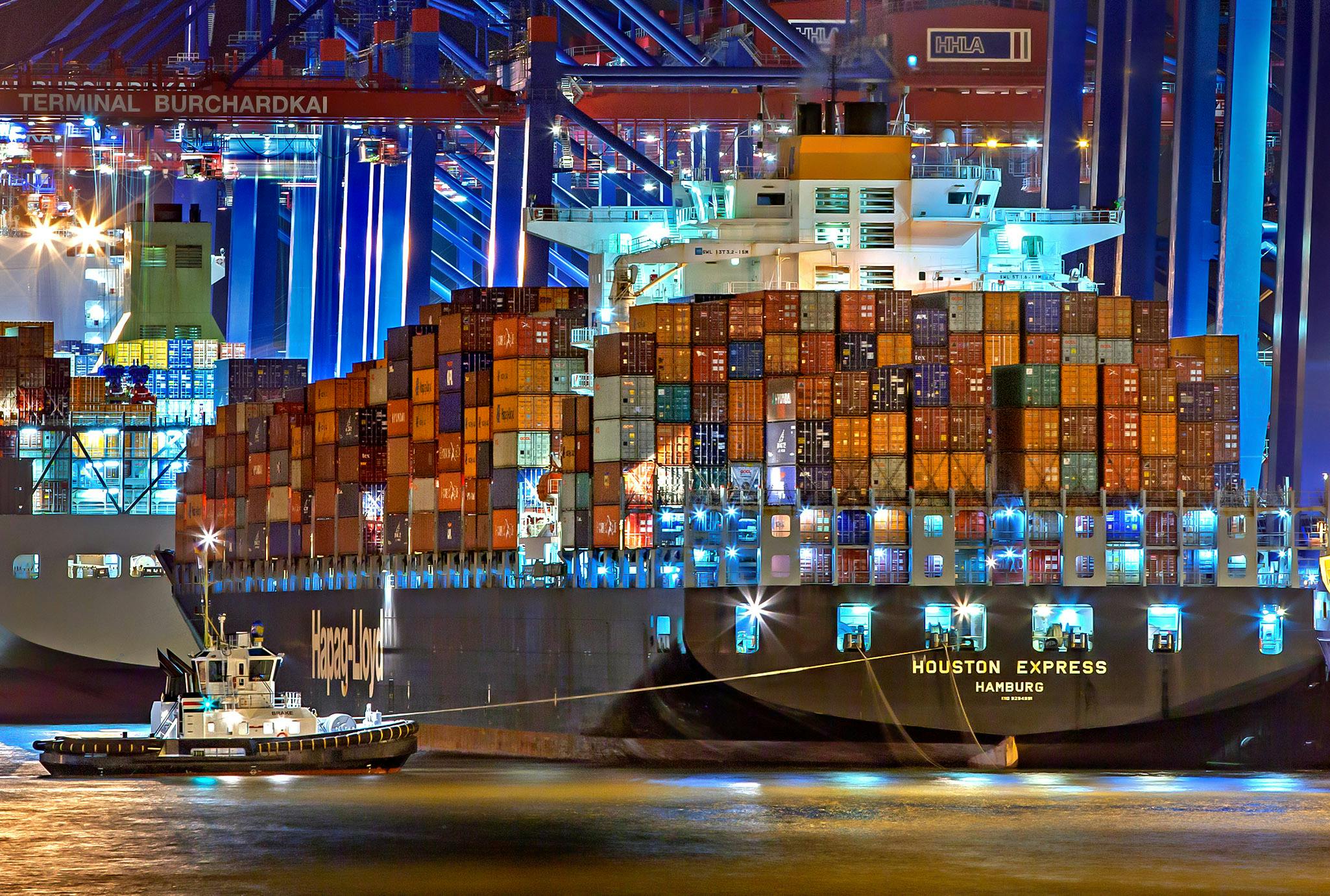
A world-class port cluster is not just one strong port. It is one strong port region. That means ports, inland corridors, rail links, barge systems, roads, customs processes, logistics parks, and digital systems work together as a larger network. In its 2024 planning opinion on coastal and inland port development , China’s Ministry of Transport said port planning should optimize port functions, improve regional logistics systems, support longer service chains, and promote cluster-based and integrated port development.
For freight forwarders, this changes the way value is created. In the past, many shipments were planned around a single gateway port. Going forward, more decisions will be made around the best cluster route. That means the best choice may depend on inland pickup, rail access, feeder options, customs flow, backup gateways, and destination reliability, not only ocean freight on one port pair. This is an industry inference based on the policy push toward integrated logistics systems and stronger multimodal transport.
The most important clusters for exporters are still the Bohai Rim, the Yangtze River Delta, and the Greater Bay Area. The same Ministry of Transport planning document also points to the development of the Southeast Coast and Beibu Gulf port groups, and to faster cultivation of port groups in the middle and upper Yangtze River. That matters because future freight planning will not stay limited to traditional coastal gateways.
Why This Matters in the 15th Five-Year Plan Era
The transport section ofthe 15th Five-Year Plan draft outline calls for improving the modern comprehensive transport system, upgrading inland waterways, and basically building world-class port and airport clusters. So this is not only about port construction. It is about a broader national logistics system.
The same draft summary also emphasizes higher-end producer services and wider use of “AI+.” For freight forwarders, that suggests a shift from simple booking work to more valuable service design: route planning, visibility, multimodal coordination, exception handling, and supply chain support. This is a reasoned business conclusion, not a direct quote, but it follows the policy direction on service upgrading and digital capability.
Global shipping trends support the same logic. The World Bank’s Container Port Performance Index 2024 says port efficiency is critical because time in port affects logistics cost, resilience, and emissions. The UNCTAD Review of Maritime Transport 2025 says maritime transport is operating in a more uncertain environment, with longer routes, higher costs, and stronger pressure to become more resilient and digitally enabled.
7 Ways World-Class Port Clusters Could Reshape Freight Forwarders
1. Port choice will shift from “best port” to “best port cluster”
Many exporters still ask, “Which port is best for my cargo?” In the next few years, the better question will be, “Which port cluster gives me the best total route?” That includes inland pickup cost, transit stability, feeder support, rail connection, customs efficiency, and backup options. As clusters become stronger, route design will matter more than single-port habit.
2. Inland collection and multimodal ability will matter more
China’s port policy has repeatedly linked strong ports with strong inland connections. The Ministry of Transport’s port planning opinion pushes rail-sea intermodal transport, inland-waterway upgrades, and better collection and distribution systems around ports. For freight forwarders, this means inland pickup and multimodal coordination may become a bigger part of the service than before.
3. End-to-end service will matter more than simple booking
When port clusters become more integrated, customers will expect fewer handoff problems. That raises the value of customs support, warehousing, trucking, consolidation, destination coordination, and delay handling. The 2024 Ministry of Transport planning opinion explicitly supports extending service chains and service networks, which lines up with this change.
4. Visibility will become a basic expectation
Digital capability is moving from “nice to have” to “must have.” China’s policy direction supports wider digital upgrading, and government reporting on China’s port development highlights the country’s leading position in automated and smart port construction. Customers may not demand a complex platform from every forwarder, but they will increasingly expect milestone tracking, faster updates, and better response when plans change.
5. Generic small forwarders may face more margin pressure
As port clusters get stronger, standard services become easier to compare. Large players usually benefit from stronger buying power, bigger service networks, and broader inland coverage. Smaller forwarders that compete only on low rates may face more pressure, especially when customers start asking for backup routing and destination problem-solving. China’s rising port scale reinforces that trend.
6. Niche forwarders can still win through corridor expertise
This trend does not mean only large forwarders will win. It often means the opposite for hard markets. When routing gets more complex, expertise becomes more valuable. A forwarder that understands one corridor, one destination region, or one difficult cargo type can still outperform a larger but more general competitor. That is especially true for Africa trades, project cargo, and shipments that need closer destination follow-up. This is an industry inference supported by the policy shift toward longer service chains and integrated route design.
7. Customers will buy reliability and routing logic, not only low rates
Recent World Bank analysis on continuing port shocks and the UNCTAD Review of Maritime Transport 2025 show that port and maritime performance is still affected by shocks, disruption, and operating uncertainty. In that kind of market, many shippers care more about a stable plan than the lowest first quote. Freight forwarders that can explain gateway choices, give backup routes, and manage exceptions will look more valuable.
Expert Insight: What This Means in Real Life
From our experience in China-to-Africa logistics, exporters are asking different questions than they did a few years ago. They still care about freight rates, but they now care more about gateway stability, inland coordination, documentation control, and destination follow-up. In practice, that means a forwarder is no longer judged only by whether it can get space. It is judged by whether it can protect the whole shipping plan.
That is why the best port cluster for exports from China is not always the cheapest one on paper. The better choice is often the route that gives the shipper a safer handoff, better inland timing, and fewer surprises at destination.
A Practical Africa Example
Here is a typical scenario based on common China-to-Africa forwarding work. A shipper in inland East China wants to move cargo to Mombasa. One option shows a slightly lower ocean rate from one gateway. Another option uses a different Yangtze River Delta route with better inland timing, more stable cut-off control, and better room for backup if the first plan changes. On paper, the second route may not look cheapest. In real life, it may be the better shipping plan because it lowers delay risk and gives the exporter more control.
That is where a specialist forwarder can still win. A team that understands both the China gateway side and the Africa destination side can often build a better route than a provider that only quotes a low ocean price.
What Freight Forwarders Should Do from 2026 to 2030
First, build a gateway strategy by cluster, not by habit. Compare primary and backup gateways inside each region.Second, strengthen inland and multimodal partnerships, because collection and handoff quality will matter more. Third,expand around the shipment with customs support, warehousing, destination coordination, and exception handling. Fourth, improve visibility with clearer milestones and better customer updates. Fifth, specialize where your team has real operating strength, such as Africa shipping, project cargo, or door-to-door service. These actions fit both the policy direction and the way global shipping risk is evolving.
Suggested Video
Suggested embed title:UNCTAD – Review of Maritime Transport 2025: Staying the course in turbulent waters Suggested embed position: After the section “7 Ways World-Class Port Clusters Could Reshape Freight Forwarders” The video is useful because it adds recent context on shipping disruption, resilience, and why route quality matters more in today’s market.
Conclusion
China’s world-class port clusters will not only change ports. They will change freight forwarding. In the 15th Five-Year Plan era, forwarders will need better route design, stronger inland coordination, broader service scope, and clearer visibility. Official policy on port cluster development supports integrated port regions and longer logistics service chains, while global shipping research from UNCTAD and the World Bank keep showing that resilience and execution quality matter more in uncertain markets. For freight forwarders, the risk is staying too simple. The opportunity is becoming more useful. Okaytrans can support this shift with practical China-to-Africa solutions, including FCL, LCL, project cargo, door-to-door planning, and destination-focused coordination for more complex markets.
FAQ
What are world-class port clusters in China?
They are groups of ports that work together as one stronger regional system. They are supported by inland transport, logistics parks, customs processes, and digital tools, not only by quay capacity. You can see that direction in the Ministry of Transport’s port planning opinion.
How will China’s world-class port clusters change freight forwarding in real life?
They will push freight forwarders to focus more on route design, inland planning, multimodal coordination, and service quality. The value will move beyond simple booking. This is consistent with the policy push in the 15th Five-Year Plan draft outline and the Ministry of Transport’s planning document.
Can small freight forwarders still compete under China’s port cluster strategy?
Yes, but they need specialization. Small forwarders that only compete on price may face more pressure. Forwarders with strong corridor knowledge or destination expertise can still stand out, especially in harder markets such as Africa.
Why does multimodal transport matter more in the 15th Five-Year Plan era?
Because stronger port clusters depend on stronger inland links. Rail, barge, road, and port handoffs all affect shipment stability and cost. That is also why the Ministry of Transport’s planning opinion keeps emphasizing integrated logistics systems and stronger collection and distribution networks.
How should exporters choose a freight forwarder in this new environment?
Look for a forwarder that can explain gateway choices, provide backup routing, manage inland pickup, give clear updates, and support destination issues, not just offer a low rate. In an uncertain market, route resilience and port performance matter more than before.