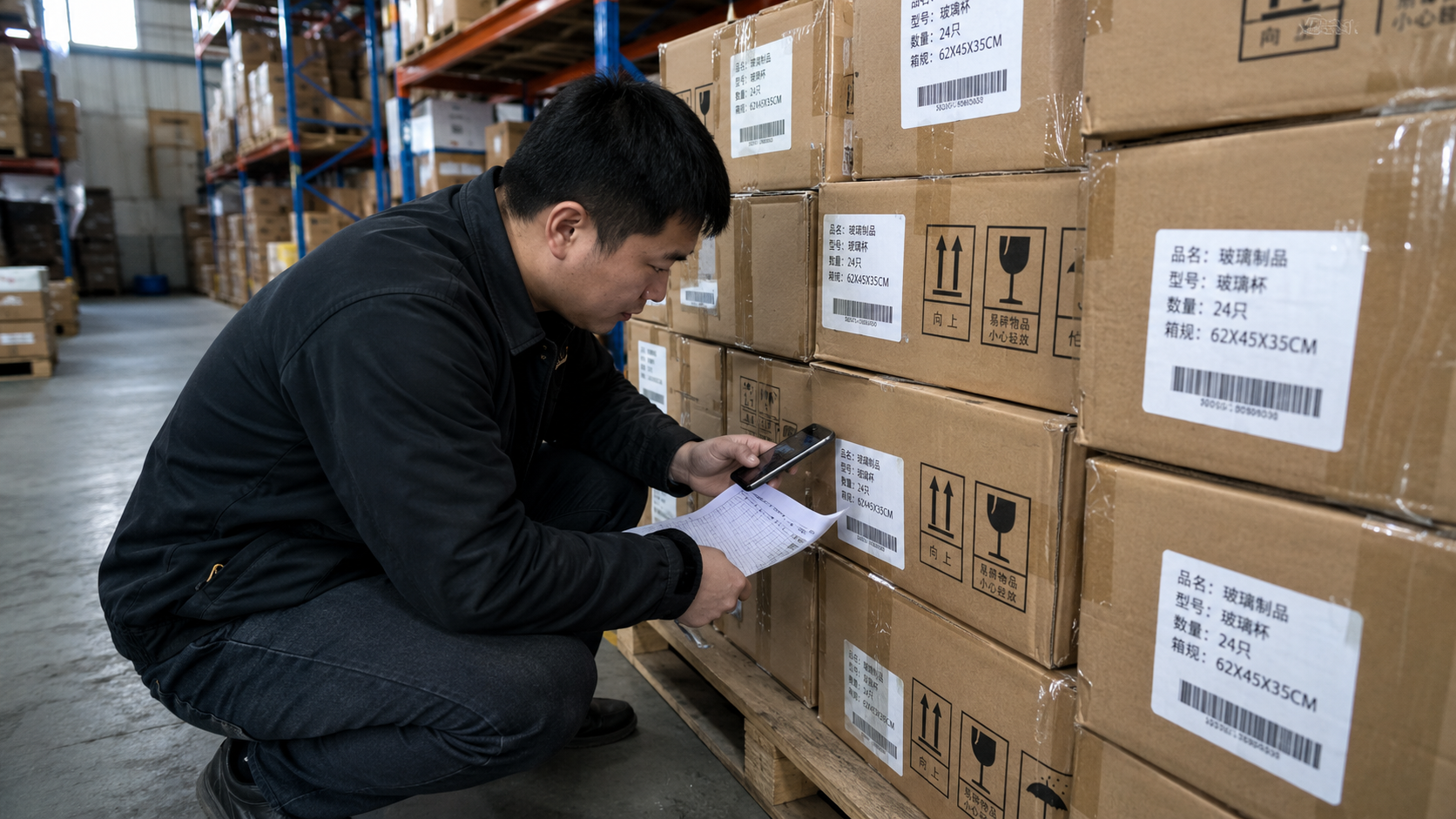
If your cargo gets rejected right before loading, it is often not a price problem. It is a classification problem. This guide helps you separate restricted goods vs dangerous goods, prepare the right documents, and choose a safe route for shipping to Africa.
Dangerous goods vs restricted goods in plain words
Dangerous goods (DG) are items that can cause real harm in transport, like fire, corrosion, explosion, or toxic risk. Air shipments follow the ICAO Technical Instructions and the airline-standard IATA Dangerous Goods Regulations (DGR). Sea shipments follow the IMO IMDG Code. UN numbers and hazard classes are built on the UN Model Regulations.
Restricted goods are not always dangerous, but they still trigger extra controls (security checks, airline limits, destination rules, or extra paperwork). Many normal products turn into DG once you confirm what is inside, the battery rating, or the packing method.
The 3-step cargo classification checklist (before you book)
Spot the triggers: batteries, alcohol-based liquids, aerosols, powders, magnets, chemicals.
Match the mode: air rules are usually stricter than sea for sensitive cargo.
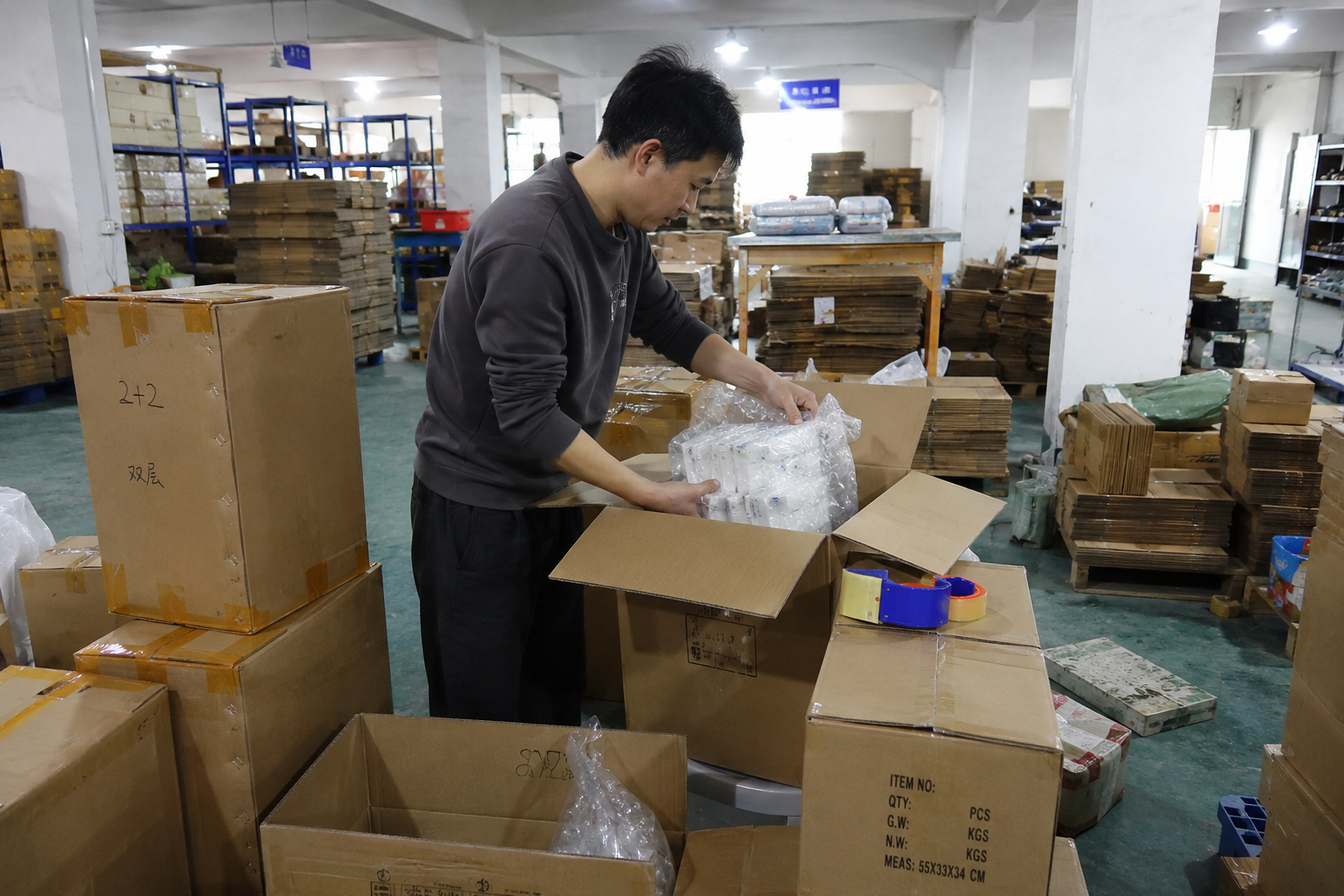
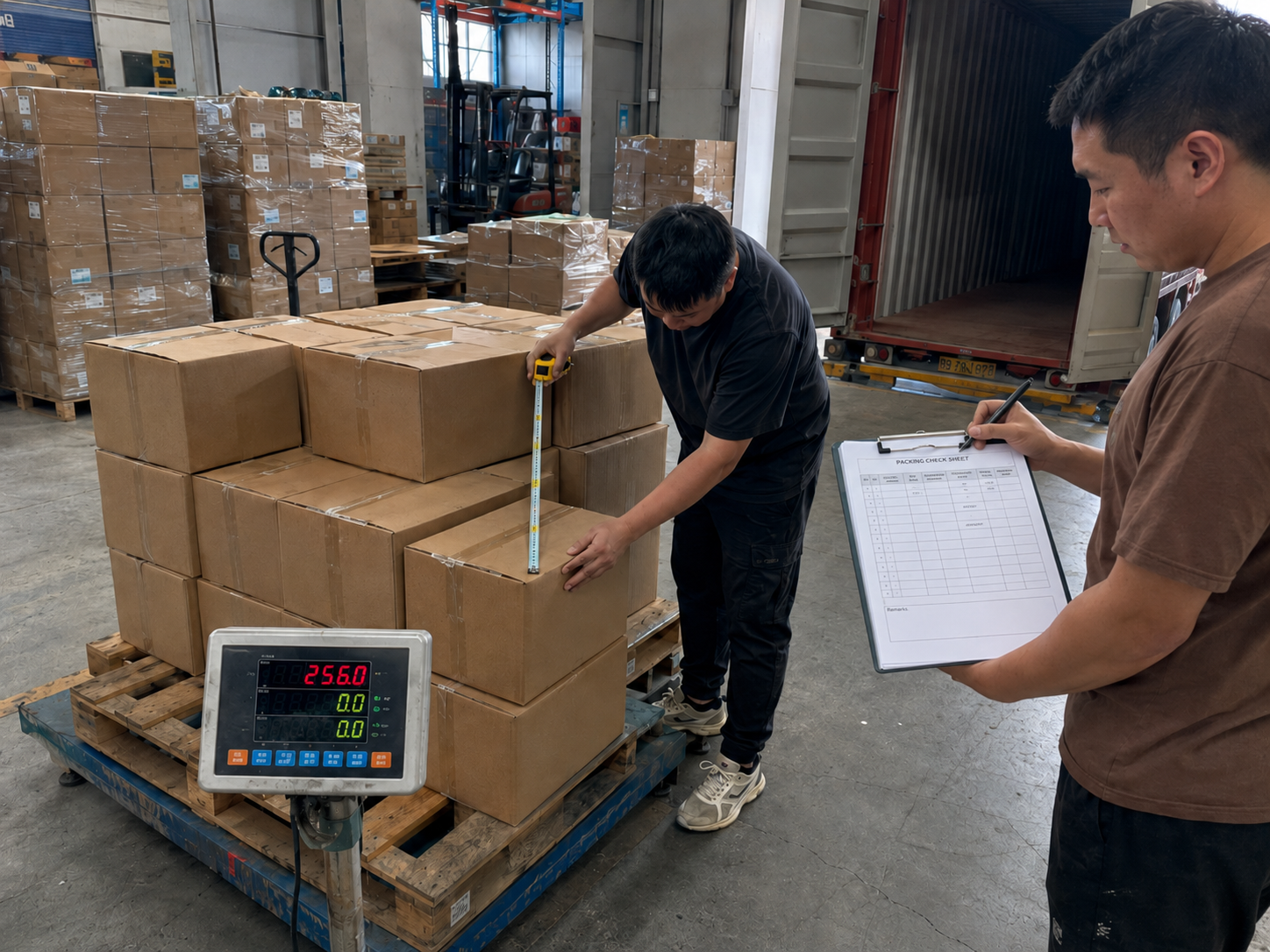
Send a data pack, not a guess: SDS/MSDS, product label photo, packing photos, inner and outer quantity, battery Wh rating and type, plus alcohol
percentage or flash point when relevant.
Airlines are strict for a reason. The FAA lithium battery incident database tracks smoke, fire, and extreme-heat events linked to batteries.
What to send your forwarder (so we can confirm the route fast)
SDS/MSDS, product photos, carton packing plan, total quantity, battery details (type and Wh), and any known UN number.For batteries, the IATA Lithium Battery Guidance Document is a good reference.
Video:IATA explains lithium battery shipping changes
Conclusion
Restricted goods vs dangerous goods is not a wording game. It decides your route, paperwork, packaging, and acceptance at the carrier. If you send Okaytrans your SDS/MSDS, photos, and packing plan, we can pre-check and recommend a compliant Africa shipping option.
FAQ
Q: How do I quickly tell if my cargo is DG?
A: If it has a UN number, batteries, flammable liquid, aerosol pressure, or corrosive risk, treat it as DG first.
Q: If the quantity is small, can it go as general cargo?
A: Sometimes limits help, but small quantity does not automatically mean non-DG.
Q: Do cosmetics and perfume need SDS/MSDS?
A: Very often yes, especially if they contain alcohol or active chemicals.
Q: What happens if I declare restricted goods as general cargo?
A: Delays, rejection at acceptance, storage fees, and possible fines.