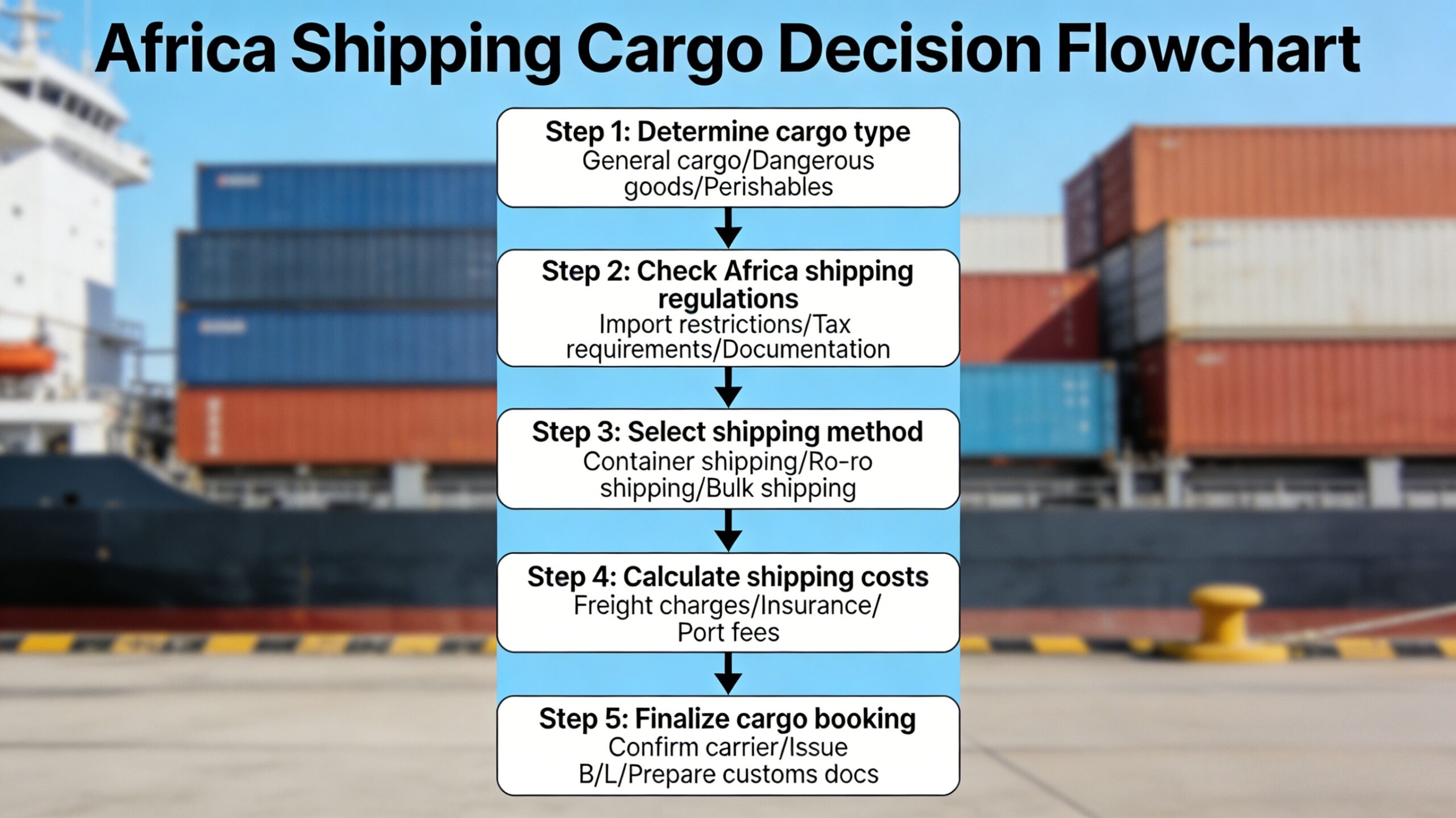
Bulk projects don’t fail because people don’t work hard. They fail because handovers stay vague until the end. Milestone delivery fixes this by breaking one big delivery into small nodes that are easy to check, sign, and pay. This matters in real life. McKinsey’s review of 300+ billion-dollar megaprojects found average cost overruns around 80% and schedule delays around 50%. Read:
McKinsey on megaproject overruns and delays. PMI also found that 47% of unsuccessful projects fail to meet goals due to inaccurate requirements management. Read:
PMI on requirements management and project success.
What milestone delivery really means (keep it strict)
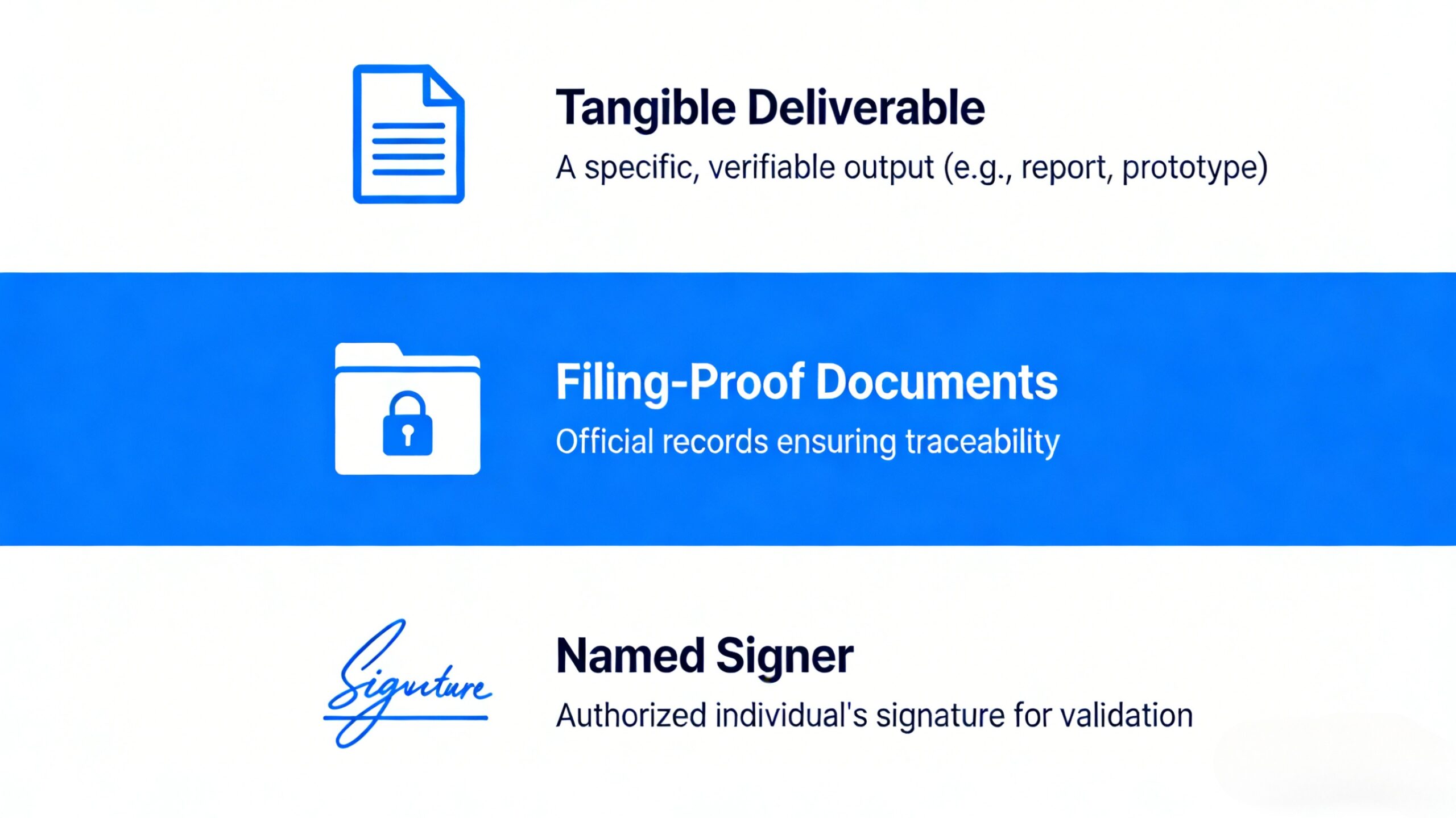
A milestone is only “real” if it has:
A deliverable you can see
Proof documents you can file
One named signer for milestone sign-off
If any one is missing, the milestone won’t protect you in disputes, audits, or payment reviews.
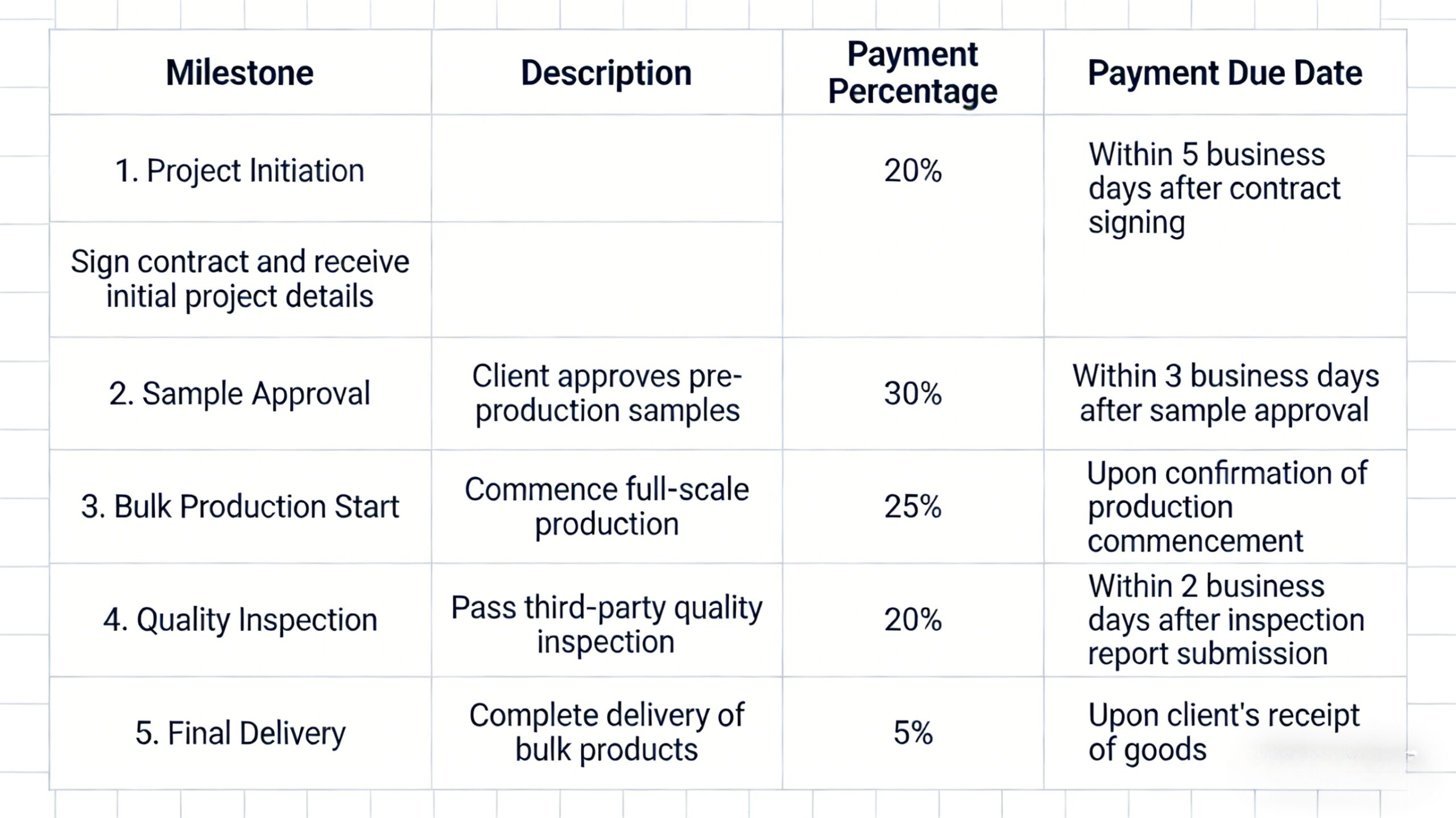
A copyable milestone payment schedule (baseline)
| Milestone | Deliverable | Proof to collect | Payment trigger |
| Scope freeze | Final scope + boundaries | Signed scope sheet + RACI | Mobilization payment |
| Long-lead lock | PO + vendor plan | PO + approved schedule | Procurement payment |
| Factory release | FAT passed | FAT report + punch closure note | Ex-works release |
| Shipping & clearance | Moved + cleared | BL/AWB + customs release | Arrival payment |
| Site handover | Delivered + checked | Handover note + unpacking report | On-site payment |
| Performance acceptance | SAT passed | SAT report + final acceptance certificate | Final payment |
For Africa project cargo, add two micro-nodes inside Shipping & clearance: route survey completed, and oversize permits approved. These two are cheap to plan, but expensive to skip. To benchmark country logistics risk and set realistic buffer time, use:World Bank Logistics Performance Index (LPI) 2023.Suggested image
Optional video (beginner-friendly):What Is Project Cargo in Freight Forwarding Operations (YouTube)
FAQ (People Also Ask style)
Q1: How many milestones should a bulk project have?
A: Enough to make progress checkable. If a phase can’t be proven
with documents, split it into smaller nodes.
Q2: Is “arrived at port” the same as “delivered”?
A: No. Port arrival is
not site handover. Use separate milestones for customs release and on-site delivery.
Q3: How do I link milestones to
payments safely?
A: Pay only when proof documents are received and the named signer approves that node.
Q4: What usually
causes delays in Africa project logistics?
A: Missing permits, late route surveys, and unclear customs documentation
responsibilities.
Q5: What if a supplier refuses to provide proof documents?
A: Treat it as “not delivered.” Write
document requirements into the contract as payment conditions.
Conclusion
Milestone delivery makes bulk projects controllable. When every node has proof, a signer, and a payment trigger, you reduce surprises and speed up approvals. If you need an Africa-ready milestone plan plus end-to-end project logistics execution, Okaytrans can support route survey, permits, shipping, clearance, and site handover.