A dangerous goods declaration lets people know your shipment has hazardous materials. This paper gives key facts about the items. It helps people move and handle them safely. If you do not do this step or make mistakes on the form, you can put people in danger. You can also harm property and the environment. You may get big fines or have to wait longer. Always use the right paperwork to keep your shipment safe and legal.
Key Takeaways
- A dangerous goods declaration is very important for shipping hazardous materials. It helps keep people safe and follows shipping rules from around the world.
- Filling out the declaration the right way stops accidents and legal problems. You should always check your information before you ship anything.
- Clear details in the declaration help protect people and nature. They also help emergency teams act fast if something goes wrong.
- Training is very important for anyone who ships dangerous goods. Make sure you and your team know the rules and steps to follow.
- If you ignore the declaration, you can get fined, have shipment delays, or face safety problems. Always follow the rules to keep your business safe.
Dangerous Goods Declaration Explained
What It Is
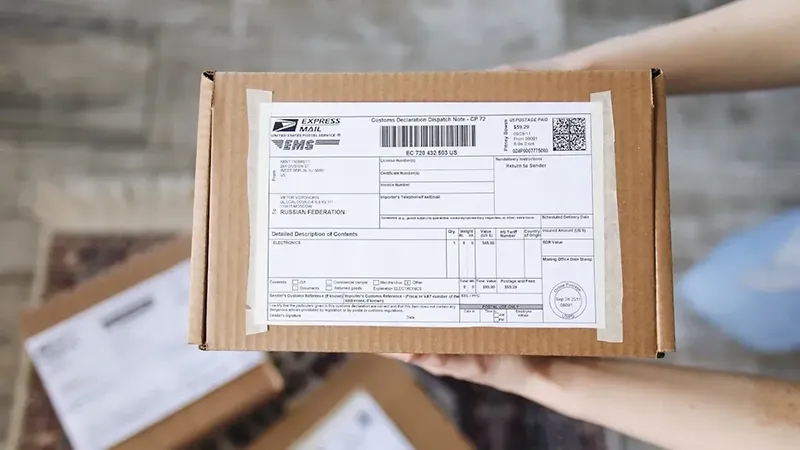
You must have a dangerous goods declaration if you ship things that can hurt people, property, or nature. This paper tells everyone your shipment has hazardous materials inside. International shipping groups say this form proves you packed, labeled, and declared your dangerous goods the right way. You also need to sign it as the consignor. The International Air Transport Association (IATA) Dangerous Goods Regulation (DGR) gives these rules. You have to follow them to keep your shipment safe and legal.
Many world groups make the rules for these declarations.
- International Maritime Organisation (IMO) makes the International Maritime Dangerous Goods (IMDG) code. All cargo ships must use this code.
- International Air Transport Association (IATA) makes the Dangerous Goods Regulations (DGR) for air travel.
- The IMDG code helps stop sea pollution and keeps ships safe.
- The IATA DGR works with the International Civil Aviation Organization (ICAO) to control air transport of dangerous goods.
Purpose and Role
A dangerous goods declaration gives clear facts about your shipment. This helps everyone in the supply chain handle, store, and move your goods safely. The declaration lists important details, such as:
- Shipper name
- Consignee
- Air Waybill Number
- Page of pages numbers
- Aircraft Limitations
- Airport Departure
- Airport Designation
- Shipment Type
- Nature and Quantity of Dangerous Goods
- Number and Type of Packaging
- Packing Instructions
- Authorizations
- Additional Handling Information
- Certification Statement
- Name of Signatory
- Date
- Signature
This document connects you, the carrier, and the authorities. It makes sure everyone knows the risks and follows the right steps. Training is needed too. For example:
| Regulation | Description |
| 92.01.45 | People who move dangerous goods must get training so they know their jobs. |
| 92.02.2 | Air service operators must have a dangerous goods training program approved by the Director. |
When you fill out the declaration the right way, you help stop accidents and delays. You also stay out of legal trouble and help protect the environment. A dangerous goods declaration is more than just a form. It is an important part of safe and responsible shipping.
Why the Declaration Matters
Safety in the Supply Chain
Using a dangerous goods declaration helps keep people safe. This paper tells workers and drivers about risks in your shipment. They learn how to store and move your goods safely. Clear facts lower the chance of accidents or injuries. First responders can act quickly if something bad happens. Emergency teams use guides and rules for dangerous goods.
| Procedure | Description |
| SANS 10232 | Shows steps for first response to dangerous goods problems. |
| Emergency Response Guides (ERGs) | Help emergency teams know dangers and pick the right actions. |
Legal and Regulatory Compliance
You must follow laws when shipping hazardous materials. Many countries and groups have strict rules. If you skip paperwork, you may get fines or delays. The table below lists some important rules:
| Regulation | Description |
| ADR | ADR gives rules for moving dangerous goods by road in Europe. |
| Carriage of Dangerous Goods Act | This act sets main rules for shipping dangerous goods by road. |
Shipper’s Declaration: You need this for most dangerous goods shipments. It shows you packed, labeled, and declared your items as IATA asks.
Environmental and Emergency Protection
You help protect nature by filling out forms the right way. Moving dangerous goods needs careful safety steps. These steps stop spills, leaks, or accidents that hurt the environment. Giving clear details helps stop pollution and keeps nature safe. It also helps emergency teams respond fast and limit harm if something goes wrong.
Tip: Always check your dangerous goods declaration before you ship. Correct details help keep people safe and protect the planet.
When and Who Must Declare
Required Situations
You have to fill out a dangerous goods declaration when you ship hazardous materials. This rule is for air, sea, and road shipments. The declaration is not just for things that look dangerous. Some items seem safe but can turn risky while being moved.
Here are times when you must declare:
Shipping anything called hazardous by international rules.
Sending goods on cargo planes that only take certain dangerous items.
Mixing dangerous and non-dangerous goods in one shipment. You must keep them apart and write down each one.
Checking for hidden dangers in packages and making sure all forms are right.
The table below shows when you must have a declaration:
| Requirement | Description |
| Shipper’s Declaration | Needed for every part of a dangerous goods shipment. |
| Cargo Aircraft Only | Needed if you ship items allowed only on cargo planes. |
| Compliance | Shipper, freight forwarder, and cargo agent must follow all rules. |
| Segregation | Dangerous goods must stay apart from other goods in mixed shipments. |
| Documentation | All packages must be checked for hidden dangers and written down correctly. |
Some hazardous materials always need a declaration. These include:
| Type | Description |
| 1 | Explosives |
| 2 | Gases |
| 3 | Flammable liquids |
| 4 | Flammable solids |
| 5 | Oxidizing agents and organic peroxide |
| 6 | Toxic and infectious substances |
| 7 | Radioactive substances |
| 8 | Corrosive substances |
| 9 | Miscellaneous dangerous goods |
Note: Every shipment must have a declaration that matches the right format, language, color, and size rules.
Responsible Parties
You help make sure the declaration is right. The main people who do this are:
Shipper: You fill out the declaration and make sure it follows all transport rules. If you do not declare or make mistakes, you are responsible for any problems.
Freight Forwarder: This person helps you follow the rules and checks your forms for errors.
Carrier: The carrier moves your goods and must follow all safety and legal steps while moving them.
The table below shows what each person does:
| Role | Responsibility |
| Shipper | Fills out the declaration and makes sure it meets all rules. |
| Freight Forwarder | Helps with following the rules and checks forms for mistakes. |
| Carrier | Moves the goods and follows all rules during the trip. |
You must work with everyone in the supply chain. Good paperwork keeps people safe and helps stop accidents or delays.
Completing a Dangerous Goods Declaration
Step-by-Step Process
You must follow steps to fill out a dangerous goods declaration. Each step helps you follow safety and legal rules. Here is an easy guide:
- Write your name as the shipper.
- Add the receiver’s name.
- Fill in the Air Waybill Number.
- Write how many pages are in your form.
- Check for any aircraft limits.
- List the airports for leaving and arriving.
- Say what kind of shipment it is.
- Describe the dangerous goods. Use the right shipping name, UN number, class, and packing group.
- Write the type and amount of dangerous goods.
- Record the number and kind of packaging.
- Include packing instructions that match the rules.
- Add any special authorizations.
- Give extra handling details if needed.
- Write a statement that shows you follow all rules.
- Print your name as the signatory.
- Add the date.
- Sign the declaration.
Tip: Always check every part before you sign. Mistakes can slow things down or cost you money.
Key Information Needed
You must include certain facts to make your dangerous goods declaration correct. The table below shows what you need and why it matters:
| Key Component | Description |
| Description of Goods | Give the right shipping name, UN number, class, and packing group. |
| Quantity and Type of Packaging | List how much you ship and what packaging you use. |
| Labeling and Marking | Make sure you label and mark the goods as the rules say. |
| Consignor and Consignee Information | Write your details and the receiver’s details for tracking. |
| Certification Statement | Say that you follow all the rules. |
| Special Instructions | Add any extra steps for handling or storing the goods. |
Giving all this information helps people handle, store, and move your goods safely. Customs and port workers know your shipment is hazardous. Emergency teams can get ready for accidents. You help keep people and nature safe.
Common Mistakes to Avoid and Tips for Accuracy
The most common mistakes are misdeclared and undeclared dangerous goods. Misdeclared goods are not described the right way by the IMDG Code. Undeclared goods should be called dangerous but are not. You can stop these mistakes by giving correct descriptions and following packaging and labeling rules.
You can avoid errors by using these tips:
Check the shipping name and UN number for each item.
Use the right packaging and label every package.
Review the rules for air, sea, or road transport.
Ask for help if you do not understand the form.
Keep your training current.
Note: Correct paperwork keeps your shipment safe and legal. It also helps protect people and the environment.
Non-Compliance Risks
Legal Penalties
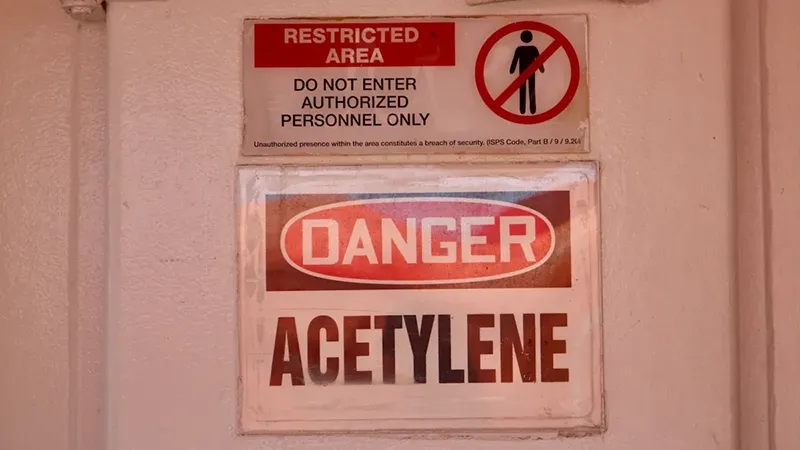
If you do not follow the rules, you can get in trouble. Many countries have strong laws for shipping hazardous materials. If you skip paperwork or fill it out wrong, you break these laws. You might have to pay big fines. Sometimes, you could lose your shipping license. If your mistake hurts someone, you might face criminal charges.
Authorities check your forms at different steps. If they find mistakes, they can stop your shipment. This can cost you money and hurt your reputation. You must use the right forms and follow the newest rules. This helps you stay out of legal trouble and keeps your business safe.
Remember: Legal problems do not just hurt your company. They can also affect your customers and partners.
Safety and Business Impact
Not following the rules is risky for more than legal reasons. It can put people, property, and your business in danger. If you do not declare dangerous goods, workers may not know what to do. This can cause accidents, injuries, fires, or spills. Emergency teams may not have the facts they need to help fast.
Your business can lose money in other ways too. Insurance companies look at your paperwork when you make a claim. If you did not follow the rules, insurance may not pay for damage. This can mean big financial losses.
Here is how insurance claims can be affected:
| Evidence Description | Impact on Insurance Claims |
| Insurers have special rules for storing and handling chemicals. | Not following rules can make insurance refuse your claim. |
| Following the law helps you manage risks. | Insurers check if you followed rules before approving claims. |
| You must give full and correct business information. | Wrong information can cause big money and business problems for claims. |
If you want to keep your business safe, always give correct information. Train your team and check your forms before you ship. This helps you stop accidents, keep your insurance, and build trust with your partners.
You help keep transport safe and legal by filling out a dangerous goods declaration. Correct paperwork keeps people, property, and nature safe. You need to know about new rules as they change. The table below shows how you can follow the rules:
| Best Practice | Description |
| Check ICAO rules often | ICAO changes rules every two years, and IATA updates them each year. |
| Watch for country and airline rules | Some rules are tougher than ICAO, so check them often. |
| Read IATA’s new guides each year | IATA gives new rules every year. |
Getting help from experts can stop mistakes and help you follow all the rules. You can also use computer tools and take classes to get better at this. Always ask for help if you are not sure.
FAQ
What happens if you forget to declare dangerous goods?
If you forget to declare dangerous goods, you risk fines, shipment delays, or even criminal charges. You also put people and property in danger. Always check your paperwork before shipping.
Do all hazardous materials need a declaration?
Yes, you must declare all hazardous materials. Even small amounts or items that seem safe can be dangerous during transport. Always check the rules for your shipment.
Who checks your dangerous goods declaration?
Customs officers, carriers, and safety inspectors check your declaration. They make sure you follow all rules and keep everyone safe.
Can you fill out the declaration by yourself?
You can fill out the declaration if you have the right training. If you are not sure, ask an expert or your freight forwarder for help.
What should you do if you make a mistake on the form?
Correct the mistake right away. Tell your carrier or freight forwarder. Never ship goods with wrong or missing information.