What you’ll get in 10 minutes: a clear end-to-end process to import and ship EVs/NEVs from China to Africa, how to choose RoRo vs. container, the must-have compliance (UN38.3,IMDG 42-24,SONCAP/PVoC/NRCS LOA), a cost blueprint, timelines, and ready-to-use checklists and templates.
Who should read & what you’ll learn
Who: car dealers, fleet/ride-hailing operators, procurement teams, trading companies, logistics managers.You’ll learn: the 8-step workflow, documents, country-specific approvals, cost items, risk controls, and when to pick RoRo vs container.What’s new for 2025: this guide aligns with the latest IMO MSC.556(108) — IMDG Code Amendment 42-24.Implementation timeline: voluntary use from 2025-01-01, deemed accepted 2025-07-01, mandatory 2026-01-01.
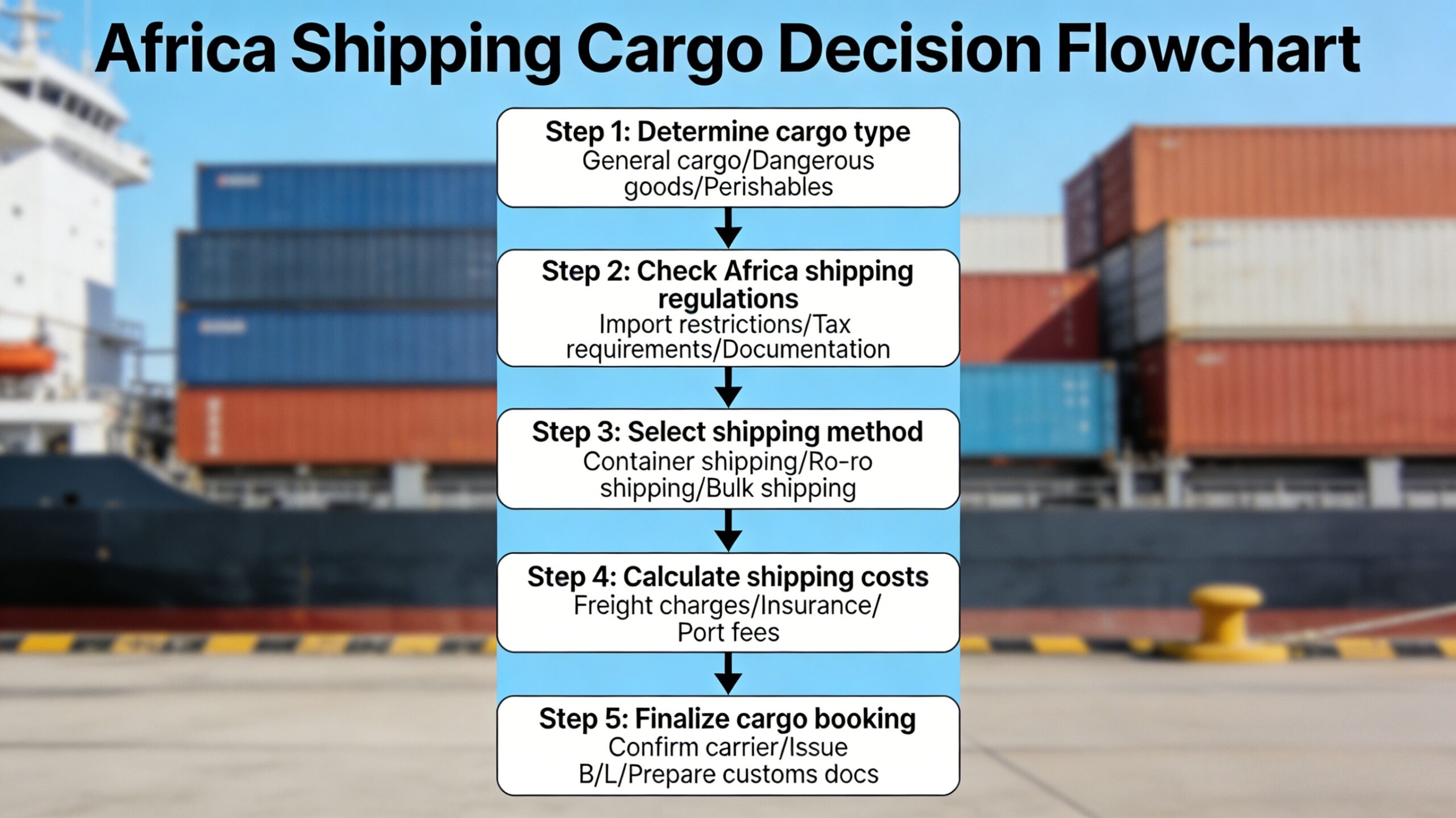
End-to-End Workflow: 8 steps to import NEVs from China
Pick model & supplier — confirm trim, VIN format, plug type, warranty scope.
Agree trade terms & payment (FOB/CIF/DDP) — decide who covers origin charges, insurance, and destination fees.
Compliance prep — collect UN38.3 test summary,UNECE R100, and UNECE R10 (Eur-Lex consolidated).
Book space & schedule — choose RoRo (if available) or container (single/dual/four-car 40HQ).
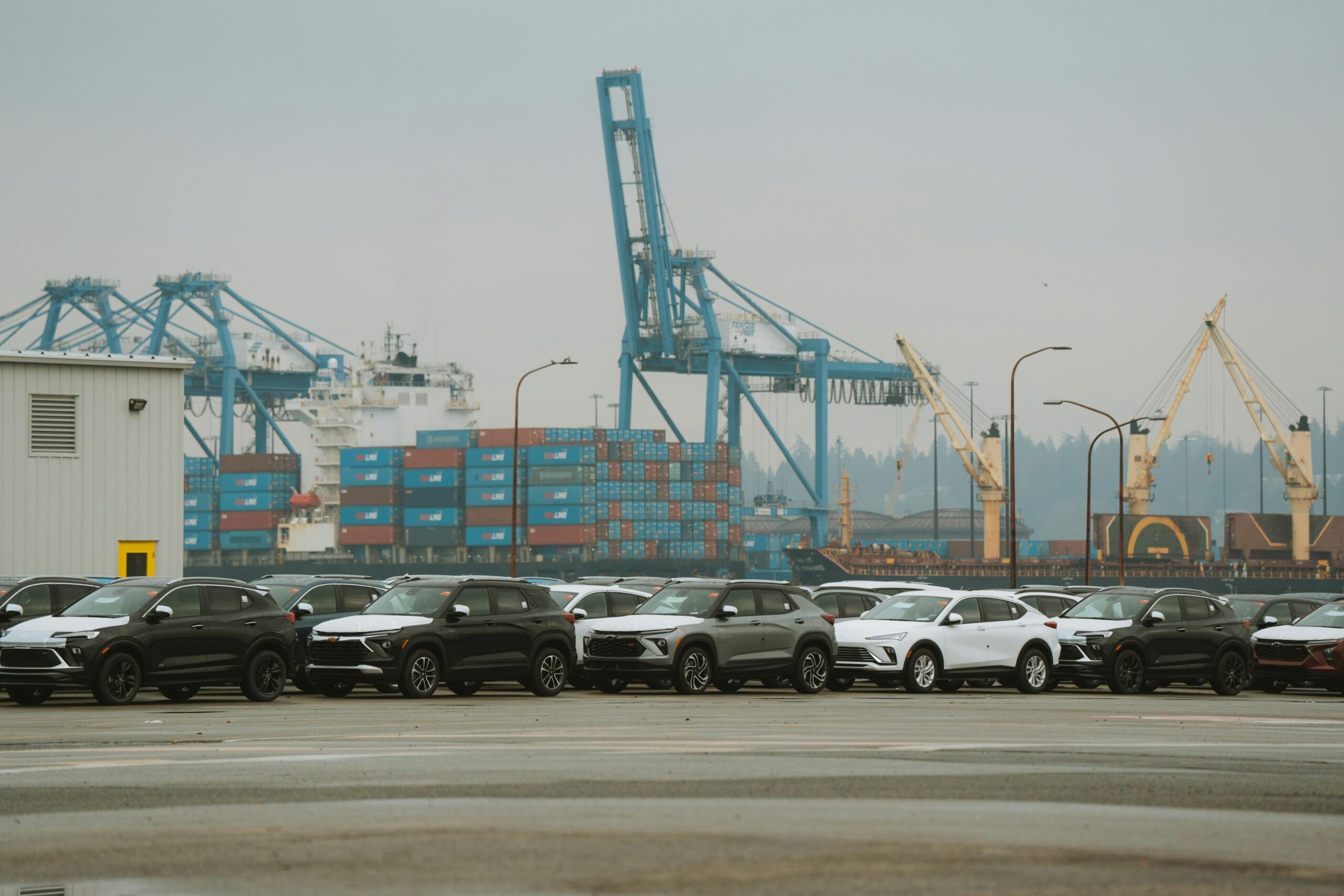
PDI & pack/lash — PDI checklist, photos, SoC record, lashing plan.
Ocean transport— align documents/labels with IMDG 42-24.
Destination clearance & approvals — Nigeria SONCAP, Kenya PVoC, Tanzania PVoC, South Africa NRCS LOA.
Inland haul & delivery — arrival inspection, handover pack, charging accessories.
Compliance basics for EVs (2025 update)
HS classification snapshot
Passenger EVs are commonly declared under HS 8703.80 (“other vehicles, with only electric motors for propulsion”). Public reference:USITC HTS 8703.80 (first 6 digits are harmonized globally).
Hybrids/plug-ins map to other 8703 subheadings—confirm locally.
Batteries & vehicle rules you must know
IMDG 42-24 created UN3556/UN3557/UN3558 for vehicles powered by lithium-ion / lithium-metal / sodium-ion batteries (UN3171 scope adjusted). Official resolution:IMO MSC.556(108).
UN38.3: each cell/battery design must pass the UN test series; keep the test summary on file. Official text:UN Manual of Tests & Criteria Rev.8. Practical guidance:PHMSA lithium battery test summaries.
IATA (air emergencies/parts): forUN3480 PI965 (batteries by themselves)lithium-ion batteries must ship at ≤30% SoC; seeIATA Lithium Battery Guidance 2025.
(Batteries in equipment/vehicles follow different provisions.)
Vehicle approvals:UNECE R100 (electrical safety) and UNECE R10 (EMC) — Eur-Lex.
Expert tip: log SoC, temperature, and VIN at gate-in and gate-out. It speeds claims and meets many carrier checklists.
RoRo vs. Container vs. Breakbulk (how to choose)
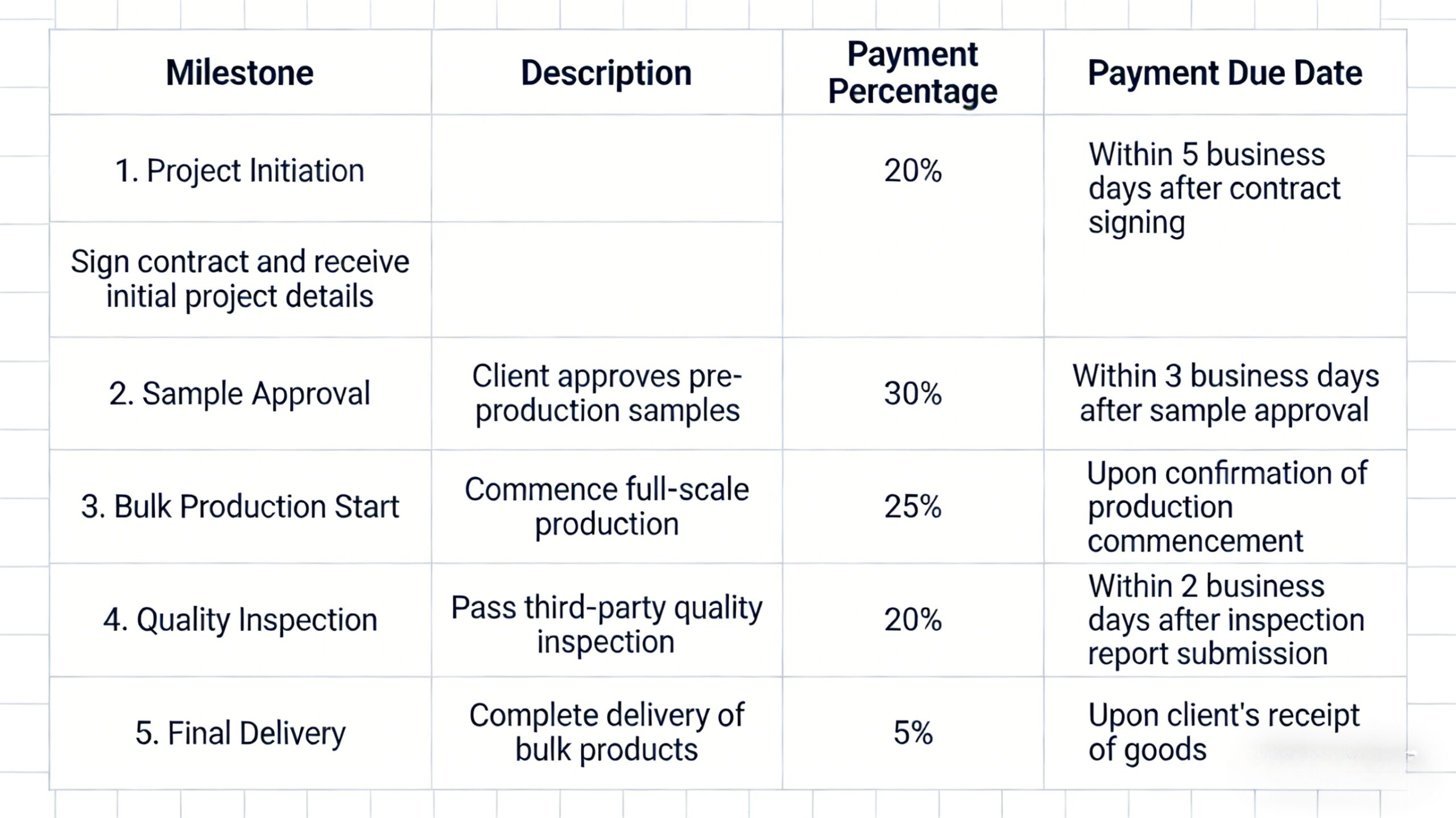
RoRo is fast, low handling risk, and great for large batches at ports with direct calls. Downsides: peak-season space
crunch and fixed windows.
Container (20/40/40HQ) is flexible, offers single/dual/
four-car loads, and works well at emerging ports; slightly more handling but better protection from exposure.
Breakbulk is for oversized or non-running fleets. Useful explainers:RoRo vs Container — Schumacher Cargo ·IncoDocs guide ·CFR Classic primer
Cost breakdown & quote blueprint
EV shipping cost from China to Africa includes six buckets:
Ex-works to origin port: factory handover, inland trucking, export packing.
Origin port: THC, documentation, customs export, battery/DG handling (if required).
Ocean freight: RoRo base + surcharges or container ocean + BAF/CAF/SSC.
Insurance: ICC(A) + war/strikes where needed.
Destination: terminal/handling, broker, duties/VAT, inspection fees.
Inland delivery: port → final yard, storage, plate/registration services.
Copy-and-send quote template
Models & qty, dims/weight per unit
Loading plan (1/2/4 per 40HQ or RoRo)
Preferred ETD window & port pair
Incoterms & insurance choice
Destination compliance (SONCAP/PVoC/NRCS LOA)
Value for duty & tax estimate inputs
Documents & checklists
Export (China):
contract, commercial invoice, packing list, export declaration,
UN38.3 test summary, MSDS (if requested), PDI photos, lashing plan.
Destination (Africa):
Nigeria —SONCAP(SC issued against CoC)
Kenya —KEBS PVoC (pre-export only; use approved contractors)
Tanzania —TBS PVoC (CoC mandatory before shipment)
South Africa —NRCS LOA (NRCS) and South African Government LOA guide
Battery safety, packing & lashing
Before loading:PDI; clear DTCs; verify SoC (note on B/L remarks); inspect HV harnesses and coolant lines.
In container:wheel chocks & cross-straps; insulate terminals when required; apply marks/labels per IMDG 42-24 and the applicable UN number (UN3556/3557/3558).
Photos & logs:wide and close-ups of each lash point; capture SoC and VIN in frame.
Insurance & risk control
Coverage: ICC(A) + war/strikes + General Average protection.
EV-specific risks: thermal runaway, salt-spray corrosion at ports, long idle times.
For claims: keep continuous photo/video chain, temperature/SoC logs, gate-in/out reports.
Country playbooks (quick start)
Nigeria (Lagos)
RoRo vs container: RoRo for big batches; container to control storage and customs rhythm.
Docs: SONCAP flow (PC→CoC→SC), Form M, duty/VAT (HS 8703.80). See SONCAP – SON.
Kenya (Mombasa → Nairobi)
PVoC window: pre-export only; use KEBS-approved contractors. See KEBS PVoC.
Tanzania (Dar es Salaam)
Rule: CoC is mandatory before shipment, or risk fines/rejection. See TBS – Inspection.
South Africa (Durban)
NRCS LOA: apply before import/registration; aligns with ECE/EU regs. See NRCS Automotive and SA Government LOA.
Market context: Africa surpassed 30,000 active EVs (May 2025) per Africa E-Mobility Alliance. For global trends, see the IEA Global EV Outlook 2025 (PDF).
Real-world mini cases
Case A — 4× BYD Atto 3 → Mombasa (container, four-car 40HQ): book→delivery ~28–35 days (regular season).
Case B — 30× SUVs → Lagos (RoRo): secure allocation early in peak; add war/strikes cover.
Case C — 10× RHD EVs → Durban (DDP): NRCS LOA filed in advance; smooth registration.
FAQ (People-Also-Ask ready)
1) Is RoRo or container better for shipping EVs from China to Africa?
Choose RoRo for big, running fleets going to ports with strong RoRo calls (fast, low handling). Pick container for flexible dates, mixed batches, or ports without RoRo; 2- or 4-car 40HQ builds often save total time on land. Helpful explainers: Schumacher Cargo·IncoDocs.
2) Do I need UN38.3, R100, or R10 certificates to import?
Yes. Batteries must have a UN38.3 test summary; EVs commonly reference UNECE R100 (electrical safety) and UNECE R10 (EMC). Keep the UN38.3 summary in your file. Sources: UN Manual 38.3·UNECE R100·UNECE R10 (Eur-Lex).
3) What documents are required for Nigeria/Kenya/South Africa?
Nigeria:SONCAP (PC→CoC→SC).
Kenya:PVoC before shipment; use KEBS-approved contractors.
South Africa:NRCS LOA before import/registration (see SA Gov LOA guide).
4) How long does it take to ship an EV from Shanghai/Shenzhen to Mombasa/Lagos/Durban?
Ocean leg: Mombasa ~18–26d, Durban ~20–30d, Lagos ~35–45d.
Port processing: add 7–14d at origin and 7–14d at destination; longer in peak seasons.
5) Can I ship used EVs the same way as new ones?
Often no. Some countries restrict used vehicles or require extra roadworthiness checks/permits. South Africa requires an NRCS LOA and has additional limits. Reference:SA Government LOA.
Conclusion & next steps
Importing EVs from China to Africa is very doable when you follow a proven path: compliance first → mode match (RoRo vs container) → transparent costs → schedule control → solid risk cover. Share your model list + destination port, and OKaytrans will return a scenario-based plan with timelines, loading options, and a landed-cost breakdown.Reinforce the main keyword: This Guide to Importing and Shipping New Energy Electric Vehicles from China gives you the steps, documents, and choices you need to move now.
CTA: Send VIN list + target ETA → Get a 48-hour scenario plan.
External references (anchor text)
IMDG Code Amendment 42-24 (IMO MSC.556(108))
UN Manual of Tests & Criteria 38.3 (UNECE) · PHMSA lithium battery test summary guidance
IATA Lithium Battery Guidance 2025 (PDF)
UNECE R100 (Electrical Safety) · UNECE R10 (EMC) — Eur-Lex
Nigeria SONCAP (official) · Kenya KEBS PVoC (official) · Tanzania TBS PVoC (official) ·South Africa NRCS LOA (official) · SA Government LOA
Mode explainers:Schumacher Cargo · IncoDocs · CFR Classic
Market context:Africa E-Mobility Alliance — Status 2025 · IEA Global EV Outlook 2025
Work with OKaytrans (Africa EV logistics)
We design scenario-based RoRo & container plans for NEV shipments from China to
Mombasa / Lagos / Durban and beyond. Services include supplier coordination, PDI photos, compliant lashing, insurance, and destination clearance support (SONCAP/PVoC/NRCS LOA).
Get a quote: share model list, loading preference (RoRo/2-car/4-car), and target ETA/port.