Africa needs more mobility, but not every vehicle export creates long-term value.Exporting Cars or Exporting Dependence?That is the real question behind today’s car exports to Africa.
This guide explains how car exports to Africa can support growth, where they create hidden supply chain risk, and what importers, exporters, and logistics buyers should check before moving vehicles into African markets. You will learn how regulations, spare parts, after-sales support,shipping method, and local market structure all affect the success of a vehicle import program. In other words, this article shows not just how to export cars to Africa, but how to do it without building long-term dependence on weak standards or fragile supply chains.
Why This Question Matters in Africa’s Auto Trade
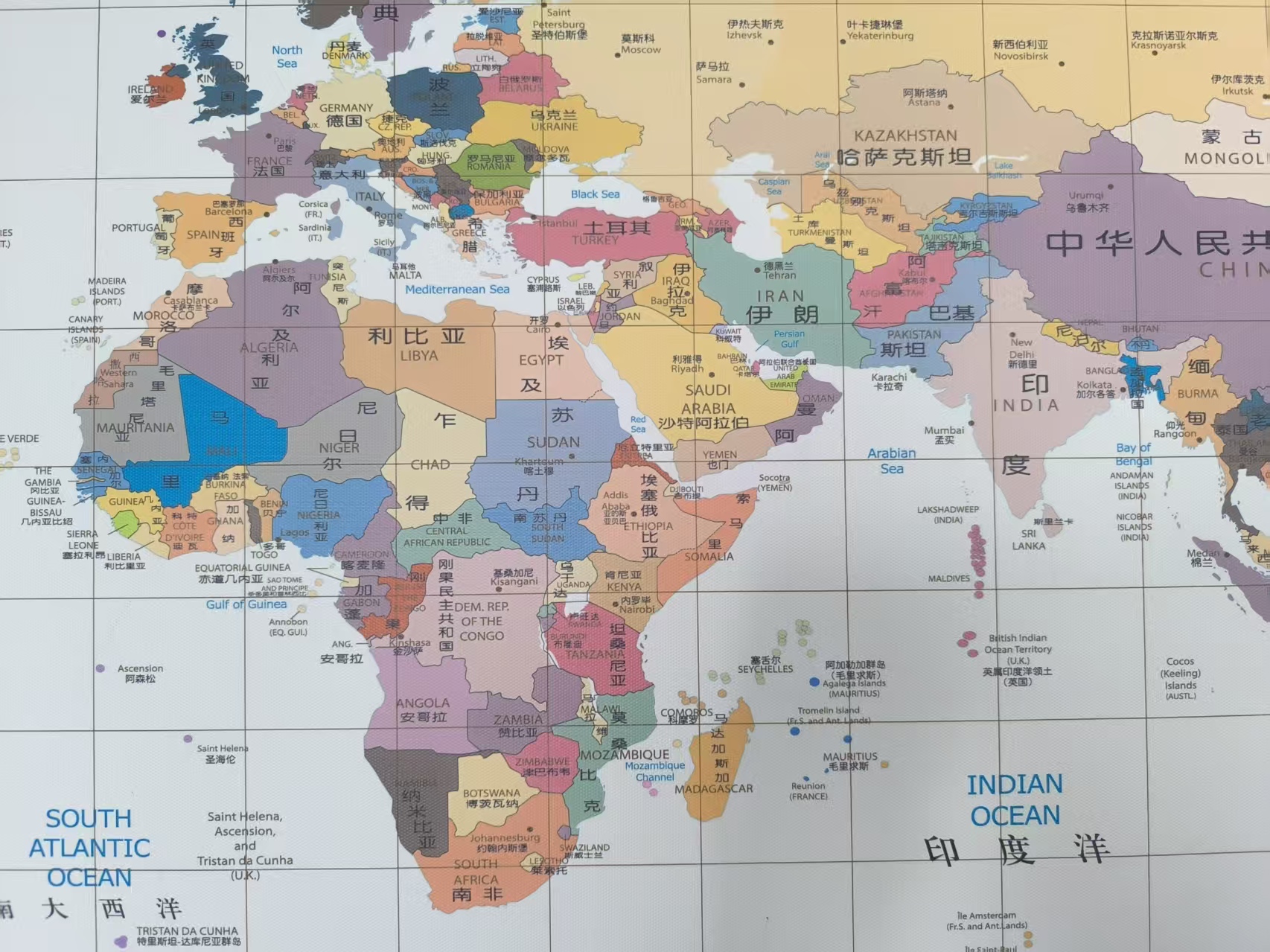
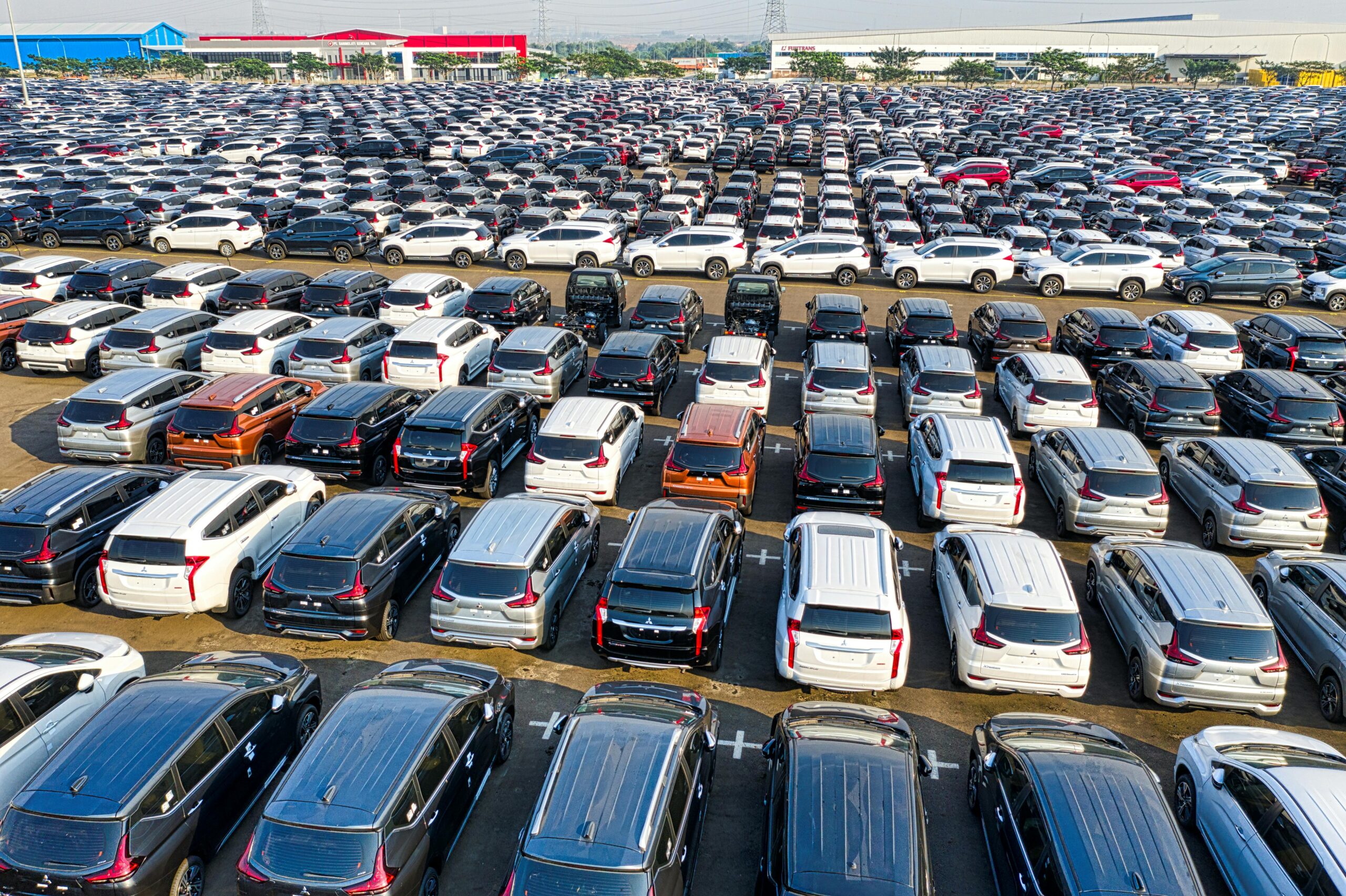
Demand for imported vehicles in Africa is real. In many countries, imported used cars, pickups, vans, and commercial vehicles remain the fastest way to meet transport needs at an affordable price. According to UNEP’s used vehicles resource page, 14 million used vehicles were exported worldwide between 2015 and 2018, and about 70% went to low- and middle-income countries, especially in Africa. That is why used car imports in Africa remain such an important part of the market.
But strong demand does not always mean strong market health. A market may import many vehicles and still depend heavily on foreign supply chains for units, spare parts, diagnostic tools, repair knowledge, inspection records, and logistics support. UNEP argues that better minimum standards, better compliance systems, and stronger data-sharing between exporting and importing countries are necessary to improve the trade. That matters because dependence is not only about where a vehicle is bought. It is also about who controls its long-term usability.
From a logistics perspective, this issue is even bigger. The World Bank Logistics Performance Index highlights how supply chain reliability and logistics resilience directly affect trade performance. In practical terms, even a profitable vehicle shipment can become a weak business if port delays, customs issues, missing documents, or poor inland coordination raise total cost and reduce vehicle uptime.
When Car Exports Solve a Real Problem
Car exports to Africa do solve real problems in the right setting. In markets where local production is still limited,imports can help buyers access transport much faster than waiting for domestic capacity to grow. That matters for private buyers, but it matters even more for traders, contractors, fleet owners, and SMEs that need working vehicles now.
For many businesses, the goal is not to buy the cheapest car. The goal is to buy the right vehicle for local roads,fuel quality, repair capacity, and budget. A durable pickup, a basic van, or a service-friendly used SUV can create real business value when it fits the market well.
This is where smart exporters stand out. They do not only ask whether they can sell a vehicle. They ask whether the vehicle will stay useful after delivery. In many African markets, the strongest long-term demand is for vehicles with simple repair needs, widely available parts, and predictable landed cost.
There is also a real affordability benefit. A compliant used vehicle can help a small company expand faster than waiting for a more expensive new unit. That is not a theory. It is often how transport access grows in practice.
In vehicle logistics, the best-performing import programs usually start with models that are easy to maintain, easy to resell, and easy to support with parts. Vehicles that look attractive at origin but create repair problems at destination often damage repeat business.
When Car Exports Turn Into Dependence
Car exports turn into dependence when exporters move units without building the system behind those units.
The first risk is spare parts dependence. A vehicle may clear customs smoothly and still become a weak asset if basic replacement parts are hard to source. When filters, brake components, sensors, body parts, or electronic items are slow to arrive, downtime rises and customer trust falls.
The second risk is repair dependence. Not every vehicle that is easy to source is easy to maintain in the destination market. Some models depend on specialist tools, software, or trained mechanics that are not widely available. In those cases, the vehicle may look affordable at purchase but become expensive to keep on the road.
The third risk is standards dependence.UNEP says the used vehicle trade still needs stronger minimum requirements, including valid roadworthiness certificates, certificates of conformity, and better information exchange between exporters and importers. Where those systems are weak, the hidden cost is often pushed onto the destination market.
The fourth risk is policy dependence. A market that grows because of loose standards may also shrink quickly when rules tighten. The UN Road Safety Fund notes that ECOWAS countries drafted regulations requiring at least Euro 4/IV emissions standards from January 2021, and East African Community countries adopted Euro 4/IV vehicle emissions regulations in 2022. Exporters that ignore policy direction may find that today’s profitable lane becomes tomorrow’s blocked market.
One common mistake in Africa vehicle projects is focusing only on unit purchase price. A buyer may save money at sourcing, but later lose margin through delayed parts, wrong documentation, storage charges, or poor model fit at destination. In practice, the cheapest origin deal often becomes the most expensive landed result.
Country Rules Matter More Than Exporters Think
One of the biggest mistakes in car exports to Africa is treating Africa like one market. It is not. Country rules can change product choice, import eligibility, tax exposure, shipping mode, and final margin.
Kenya is a strong example. The Kenya Revenue Authority motor vehicle import procedure states that imported vehicles must be less than eight years old from the year of first registration, must be right-hand drive, and must pass pre-export roadworthiness inspection by an appointed inspection agent. KRA also sets out the import duty and excise structure that directly affects landed cost.
That means the real question is not just, “Can I export cars to Africa?” The better question is, “Can I export this vehicle, to this market, under this rule set, with a cost and risk profile that still makes business sense?”
This is why vehicle shipping documents for Africa imports must be checked before freight booking, not after. Year of first registration, steering side, VIN accuracy, inspection records, invoice values, and customs classification all matter. In many cases, the true shipping problem starts as a document problem at origin.
The Better Alternative: Local Assembly, Regional Value Chains, and Smarter Entry Strategies
If the goal is long-term growth, then the answer is not always shipping more finished vehicles. Sometimes the better answer is smarter market entry.
Morocco offers one strong example. The Morocco Ministry of Industry automotive page describes the country’s automotive sector as a major industrial growth engine built on exports, supplier ecosystems, and job creation. That matters because it shows a different path: not only importing and selling vehicles,but building a stronger automotive value chain around them.
The regional trade picture is also changing. The AfCFTA Rules of Origin Manual explains how goods can qualify for preferential tariff treatment under the African Continental Free Trade Area when origin conditions are met. For today’s exporters, that matters because the long-term opportunity in Africa may not be limited to CBU trade. It may also include local assembly, regional parts supply, or cross-border value chain development inside Africa.
For many importers and exporters, the practical middle path is the strongest one. That may include CKD or SKD planning, a destination spare-parts hub, local service partnerships, or a phased model that starts with imports and later adds assembly or regional distribution. This approach reduces long-term dependence and builds a more stable business base.
A Practical Checklist Before You Export Cars to Africa
Before you ship, check these points carefully.
1. Confirm Market Fit
Choose vehicles that match local roads, fuel quality, repair capacity, and buyer budget. The best-selling model at origin is not always the best-performing model in Africa.
2. Confirm Import Eligibility Before Booking Freight
Check age limits, steering rules, inspection requirements, and emissions standards before you quote. Kenya’s published import procedure is a clear reminder that one missed rule can make a shipment impossible or unprofitable.
3. Calculate True Landed Cost
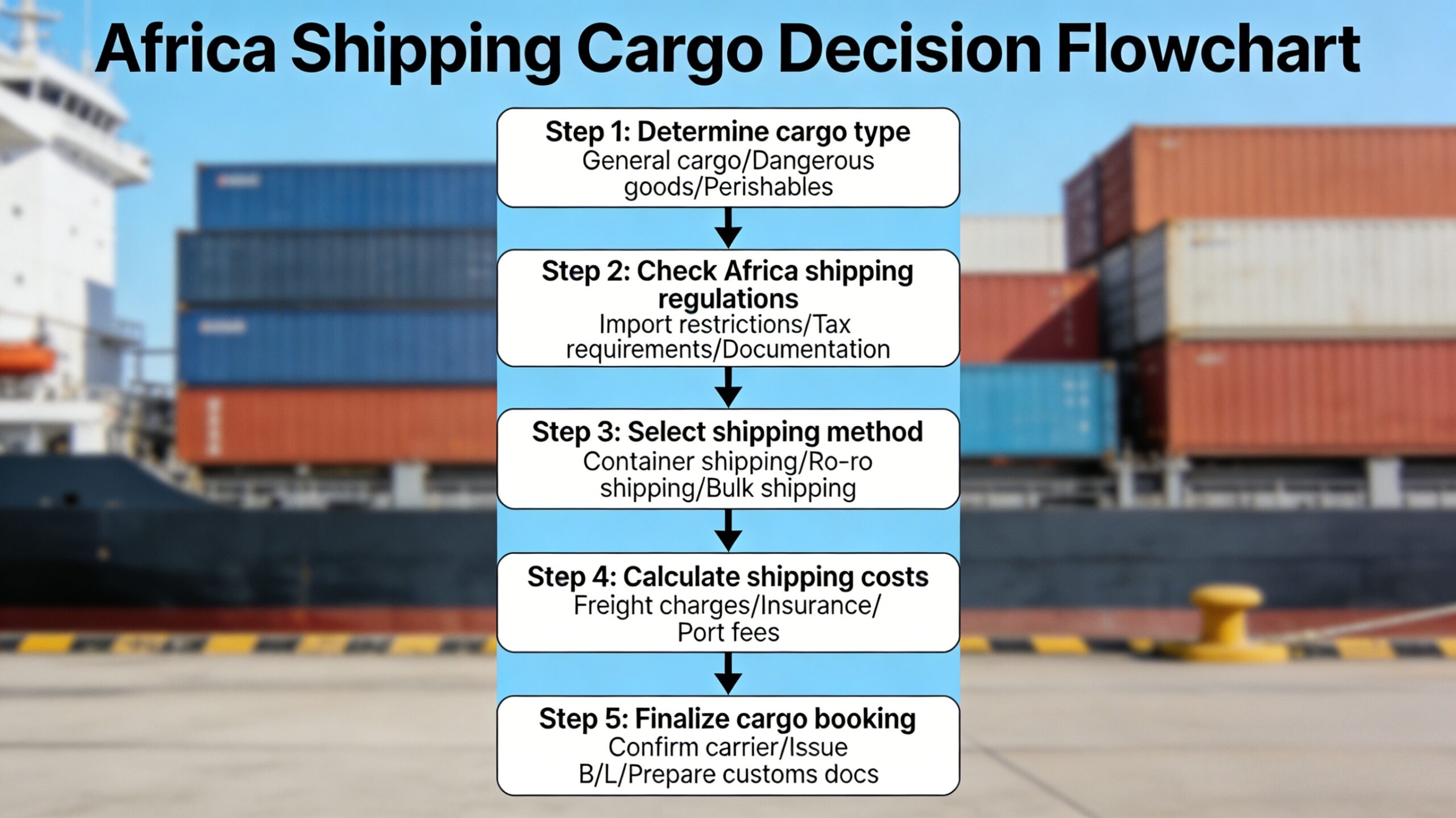
Do not stop at FOB and ocean freight. Add import duty, excise, inspection fees, destination charges, inland transport, storage exposure, and delay risk. The best shipping method for cars to Africa is not always the one with the lowest base freight. It is the one with the lowest total risk-adjusted cost.
4. Plan Parts and After-Sales From Day One
A vehicle without service support is a weak product. Even a basic spare-parts plan can improve uptime, customer retention, and repeat orders.
5. Choose the Right Shipping Mode
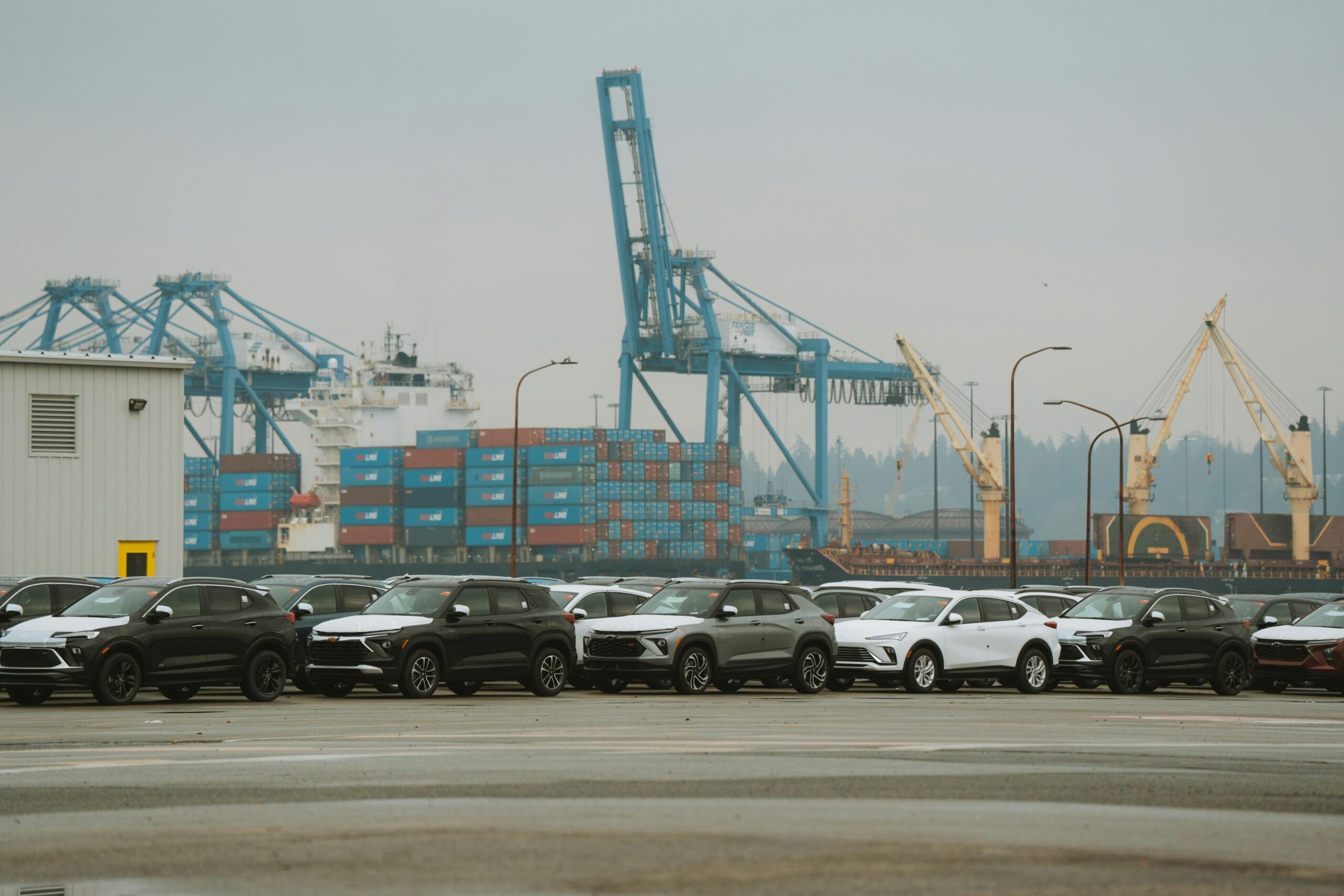
For many operable vehicles, RoRo is an efficient option because units roll on and roll off the vessel.Wallenius Wilhelmsen explains that RoRo shipping is designed for wheeled cargo using ramps rather than cranes. For some projects,containers work better.Maersk’s Cars in Containers solutionpresents containerized vehicle transport as a useful complement to traditional RoRo, especially when flexibility,smaller volumes, or routing needs make it more practical.
6. Prepare the Document Chain Early
Inspection certificates, registration details, commercial invoice, loading records, valuation support, and customs data should all be reviewed before the cargo reaches port cut-off.
7. Work With a Logistics Partner That Understands African Destination Risk
Freight is only one part of the shipment. Compliance, destination coordination, customs handover, and inland delivery often matter just as much as the ocean leg itself.
How Logistics Partners Can Reduce Dependence Instead of Worsening It
A weak logistics partner simply moves cargo. A strong one helps build a repeatable trade model.
That means checking documents before sailing, comparing RoRo and container options, matching the right origin and destination ports, flagging compliance risks early, and keeping communication clear when exceptions happen. In Africa vehicle projects, document accuracy, destination rule checks, and inland delivery coordination usually matter as much as the ocean leg itself. That is where experienced support makes a real difference.
Okaytrans can support car exports to Africa with route planning, booking coordination, document checks, customs handover support, and practical advice on vehicle movements into markets with different import rules and delivery conditions. For importers, this helps reduce avoidable delays. For exporters, it helps turn one-off transactions into stronger long-term business.
Suggested Video Resource
For readers who want more policy context, this UNEP webinar on safer and cleaner used vehicles for Africa gives useful background on used vehicle quality, regulation, and why cleaner imports matter in African markets.
Conclusion: Exporting Cars Is Easy. Building a Sustainable Market Is Harder.
So, is it exporting cars or exporting dependence ?
The answer depends on the model. When exporters send fit-for-market vehicles, respect import rules, support spare parts, plan after-sales, and build stronger logistics systems, car exports to Africa can expand mobility and support real business growth. But when the model depends on weak standards, fragile supply chains, poor documentation, and no local support, it does not build a strong market. It builds dependence.
The best players in Africa’s auto trade do more than chase volume. They understand policy direction, prepare better vehicle shipping documents for Africa imports, choose the right shipping method, and invest in systems that last. For importers and logistics buyers, the goal is not the cheapest shipment on paper. It is the strongest supply chain in practice.
If your team is planning car exports to Africa, Okaytrans can help you build a practical shipping plan with stronger route selection, document support, and destination coordination.
FAQ
Is exporting used cars to Africa still profitable?
Yes, but profit now depends much more on compliance, tax structure, model fit, and after-sales support than on sourcing price alone. Where standards are getting tighter, weak-quality vehicles and weak paperwork create much higher risk.
Which is better for Africa car shipping: RoRo or container?
It depends on the vehicle, route, and delivery plan. RoRo is often efficient for operable vehicles. Containers can work well for mixed loads, smaller volumes, extra protection, or more flexible routing.
Why do some car exports create dependence in African markets?
Because the business moves vehicles without building the support system behind them. Dependence grows when buyers also rely on foreign parts, foreign repair capability, weak standards, and unstable logistics.
What do I need to check before importing a car into Africa?
Check import rules, year of first registration, steering side, inspection requirements, tax structure, landed cost, parts support, and local repair capacity before shipment. Kenya’s rules show why these checks matter early.
Can local assembly reduce long-term import dependence?
Yes. Local assembly, regional sourcing, and AfCFTA-based value chains can reduce simple import dependence and create stronger industrial and trade systems over time. Morocco’s automotive sector is one example of that direction.