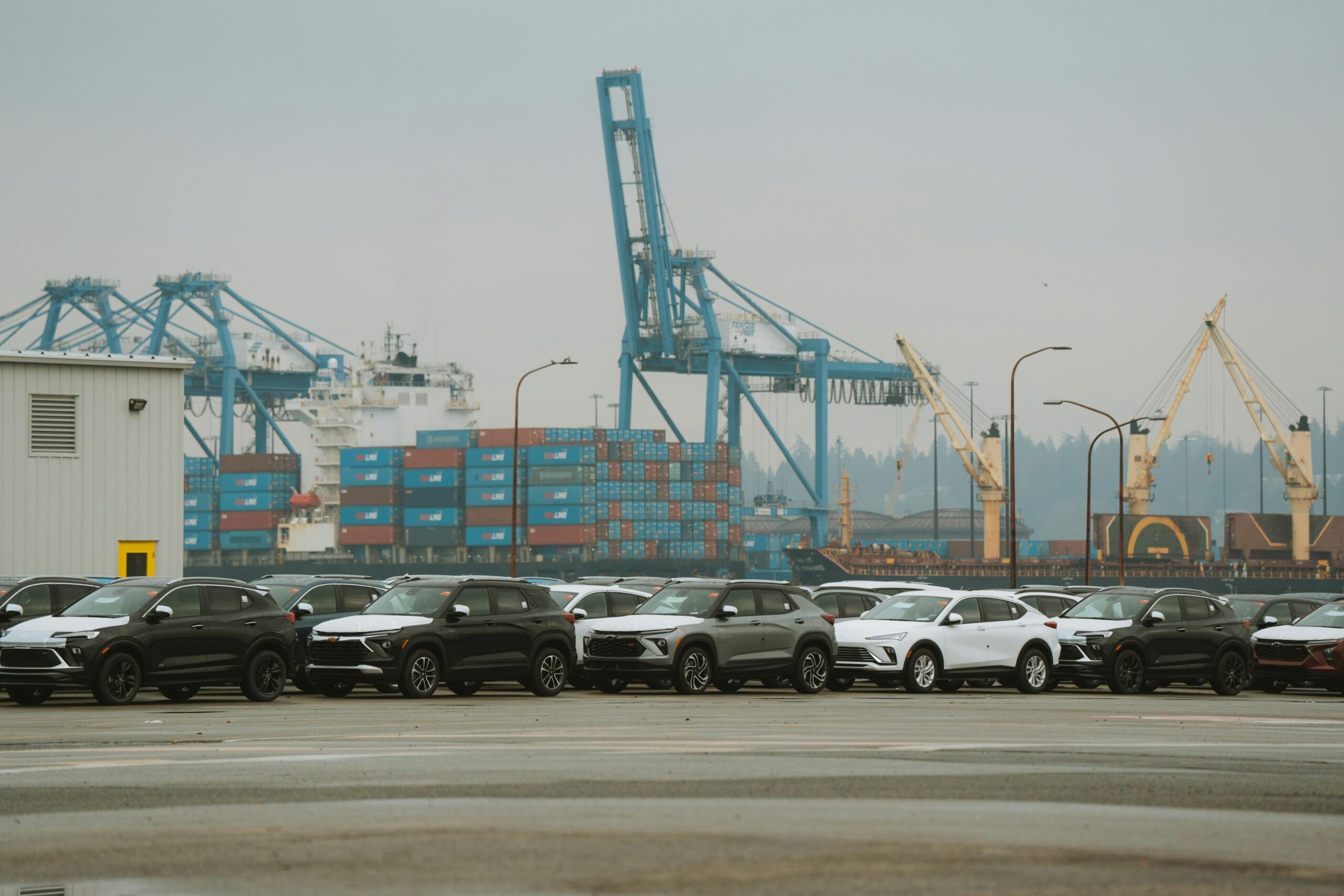
The African market is booming. With initiatives like the African Continental Free Trade Area (AfCFTA), demand for imported goods is at an all-time high. However, for B2B traders, African logistics remains one of the most complex puzzles to solve.
Are you worried about your cargo getting stuck at the port? Or facing unexpected fines? You are not alone.
In this guide, we will break down the reality of shipping to Africa, highlighting the specific challenges of customs and infrastructure. Most importantly, we’ll show you practical strategies to get your goods delivered safely and on time.

Why African Logistics is Unique?
Shipping to Nairobi is not like shipping to New York. The logistics landscape in Africa is fragmented. According to the World Bank’s Logistics Performance Index, many African nations face significant hurdles in trade infrastructure compared to global averages.
Infrastructure Gaps and Port Congestion
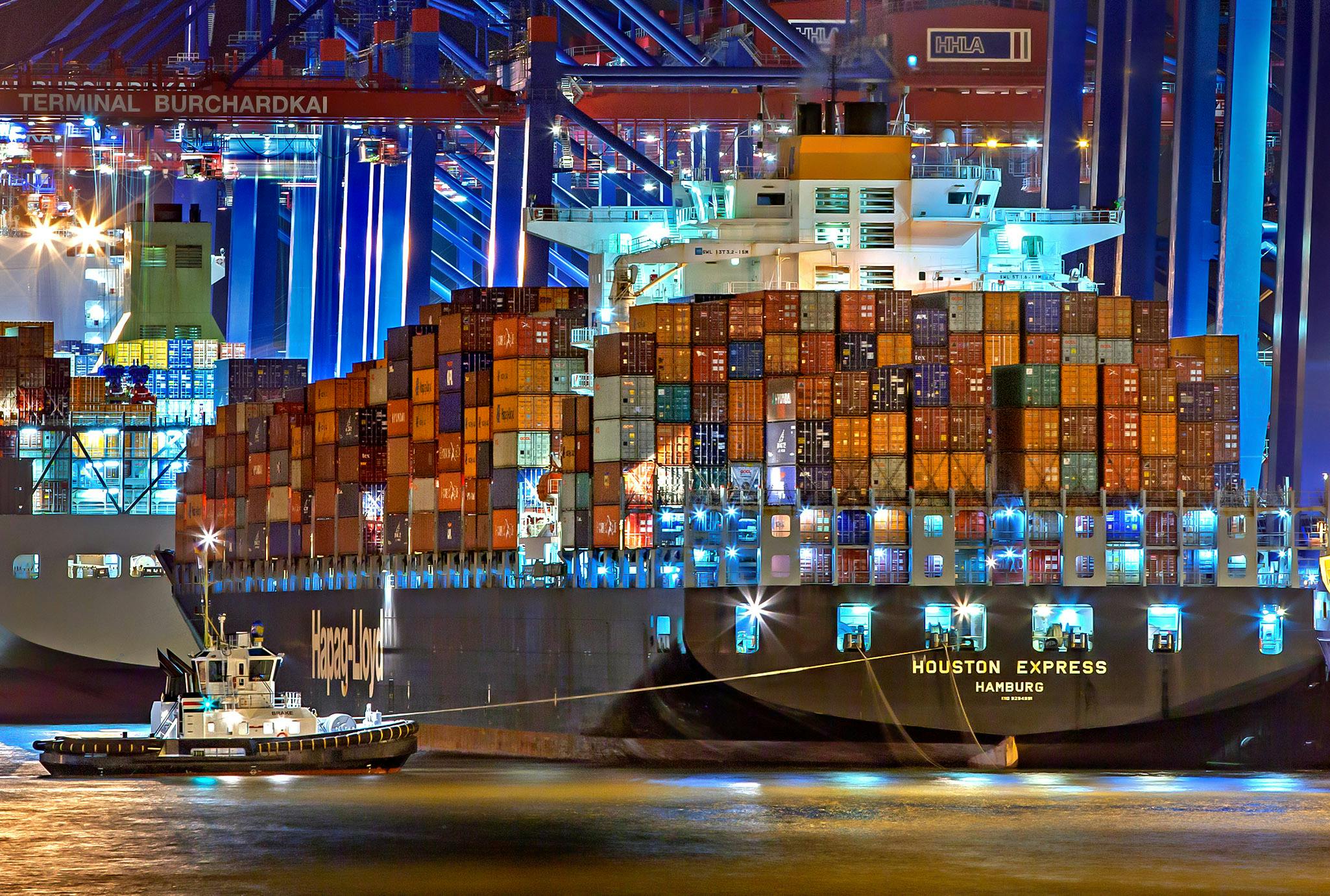
The biggest bottleneck often occurs right at the port of entry. Major hubs like Lagos (Apapa) or Mombasa can experience severe congestion.
Port Delays: Cargo can sit for weeks if not managed proactively.
Inland Transport: Once goods leave the port, road conditions in the hinterland can be unpredictable, especially during the rainy season.
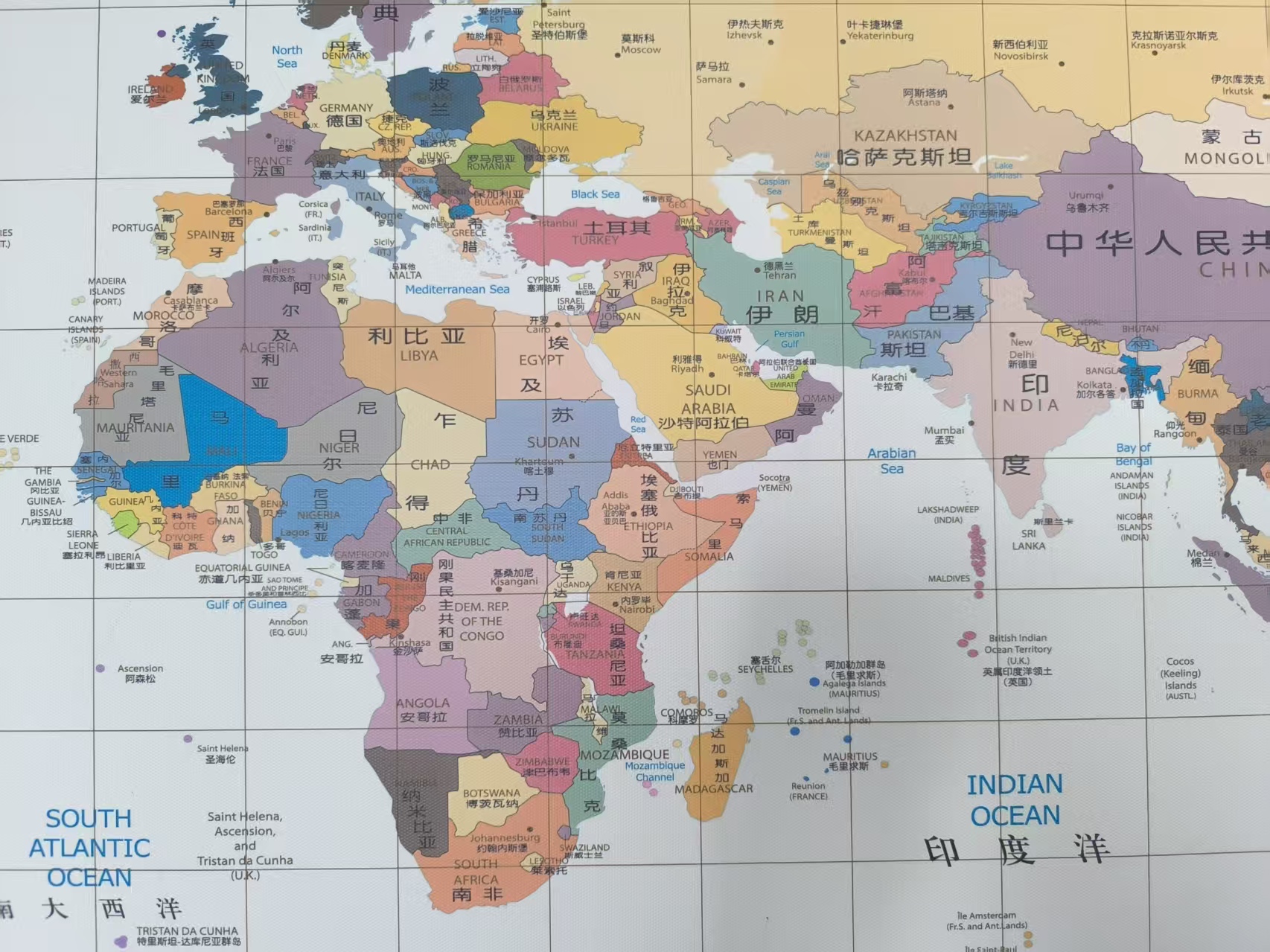
Note: Understanding local road networks is vital. What looks like a highway on a map might be a dirt road in reality.
Overcoming Customs Complexities
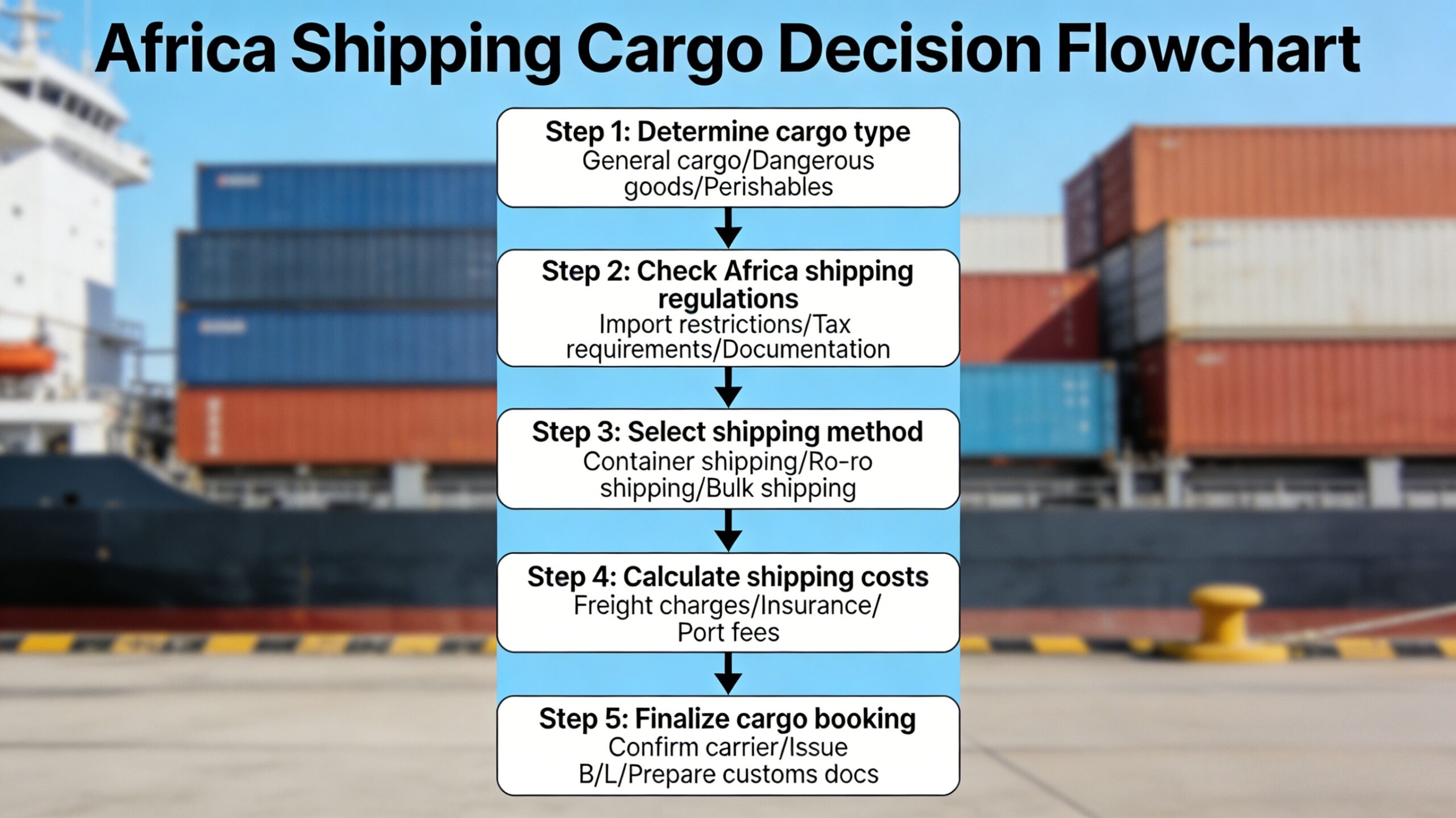
Customs clearance is where most B2B shipping nightmares happen. Regulations change frequently, and paperwork requirements vary strictly from country to country.
Essential Documentation for Smooth Clearance
Missing a single document can lead to massive demurrage charges.
West Africa: Most countries (like Nigeria, Ghana, Senegal) require an ECTN/BESC (Electronic Cargo Tracking Note) waiver.
East Africa: Countries like Kenya and Tanzania mandate a PVOC (Pre-Export Verification of Conformity).
Summer’s Expert Tip: Never ship to West Africa without validating the ECTN before the vessel departs. I have seen clients face fines double the freight cost simply because they tried to apply for the waiver after the ship arrived.
[Internal Link: A Complete Guide to African Cargo Waivers (ECTN/BESC)]

Strategic Solutions for B2B Shippers
To succeed, you need more than just a transporter; you need a partner who understands the terrain.
Choose the Right Incoterms: DDP vs. CIF
For many B2B buyers, choosing DDP (Delivered Duty Paid) is safer than CIF. With DDP, your freight forwarder in Africa handles the risks of clearance and inland delivery, giving you a fixed cost and peace of mind.
Heavy Machinery to Uganda
At Okaytrans, we recently moved industrial mining equipment from China to Uganda (a landlocked country).
Challenge: The cargo arrived at Mombasa port during the heavy rainy season.
Solution: We utilized our local fleet of low-bed trucks equipped for rough terrain and pre-cleared customs at the Kenya-Uganda border.
Result: The machinery arrived 3 days ahead of schedule, saving the client huge project downtime costs.
Conclusion
African logistics is challenging, but it is manageable with the right expertise. By preparing your documentation early and choosing a forwarder with local boots on the ground, you can turn logistics from a barrier into a competitive advantage.
Don’t let shipping stress hold your business back. Okaytrans specializes in seamless B2B logistics solutions across Africa.
[Watch: How Okaytrans Handles Complex African Clearance – YouTube Link Placeholder]

FAQ
Q1: What are the main challenges of logistics in Africa? The primary challenges are complex customs procedures, inconsistent infrastructure (road/rail), and port congestion. These factors can cause delays and unpredictable costs if not managed by an expert.
Q2: How long does shipping to Africa take from China? Transit time depends on the destination. West Africa (e.g., Nigeria) typically takes 35-45 days by sea, while East Africa (e.g., Kenya) takes about 25-30 days. Air freight usually takes 3-7 days.
Q3: What is the difference between DDP and CIF when shipping to Africa? CIF means the seller ships to the destination port, but the buyer handles customs and delivery. DDP (Delivered Duty Paid) means the seller/forwarder handles everything, including taxes and door-to-door delivery. DDP is often recommended for less hassle.
Q4: Do I need insurance for shipping to Africa? Yes, cargo insurance is highly recommended. Given the risks of long transit times and rough inland road conditions, insurance protects your investment against damage or loss.
Q5: Which documents are mandatory for West African shipments? Besides the Bill of Lading and Invoice, you almost always need an Electronic Cargo Tracking Note (ECTN/BESC/CTN). Failure to provide this at the destination leads to heavy penalties.
Meta Information
- Meta Title: African Logistics: B2B Shipping & Customs Guide
- Meta Description: Struggling with African logistics? Learn to overcome customs delays and port congestion. Get expert B2B shipping strategies and solutions from Okaytrans today.
- URL Slug: /african-logistics-b2b-guide